





Introduction — Caprese Craftsmanship: A Handmade Heritage
Capri, the glittering island off the Amalfi Coast, is famous for its dramatic scenery, emerald waters and a lifestyle that leans toward luxury. Less obvious at first glance but just as central to the island’s identity is its craft scene: glossy ceramics, coral and gold jewelry, and leather and linen goods woven by hand. Caprese craftsmanship isn’t just about catering to tourists; it tells the story of an island community, family traditions passed down through generations, and creative adaptation to international tastes. Wander down Via Camerelle, lose yourself in Anacapri’s lanes or head toward Marina Grande, and you’ll find shops and workshops where time seems to stand still and artisans still work with the same gestures inherited from their forebears.
This introduction opens a practical, in-depth guide: where to find genuinely handmade pieces in Capri, what they typically cost, the opening hours of workshops and shops you shouldn’t miss, and local tips to help you spot real craftsmanship. Rather than just listing addresses, this guide dives into the tactile, sensory world of Caprese craft: the feel of a kiln-fired glazed pot, the subtle weight of a gold necklace stamped by a local house, the scent of freshly dyed linen. We’ll also point out specific places where you can watch artisans at work, markets where you can negotiate with tact, and studios that occasionally welcome visitors or offer demonstrations by appointment.
The island offers a wide range of objects: practical or decorative hand-painted ceramics, sea-inspired jewelry (coral, cameos, pearls), leather bracelets and bags, finely worked embroidery and textiles, as well as blown glass and small sculptures made from local wood. Prices are as varied as the offerings: you can pick up small souvenirs for €15–30, buy a hand-painted plate for €60–150, or invest in gold or coral jewelry from €200 up to €2,000 depending on quality and the studio’s reputation. Opening hours vary between high and low season: from May to September most shops open between 9:30 a.m. and 7:30 p.m., while in winter hours are shorter and some workshops close several days a week. Below we’ll list concrete spots — squares, markets and ateliers — while advising you to double-check hours and prices before you go, as things can change.
Caprese Pottery: Workshops, Addresses and Buying Tips
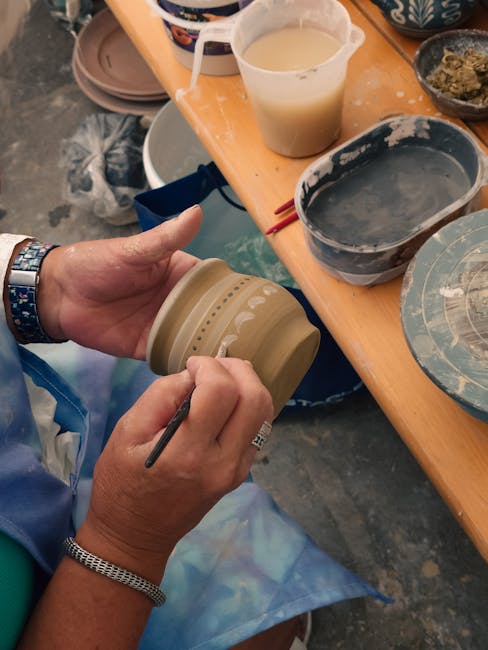
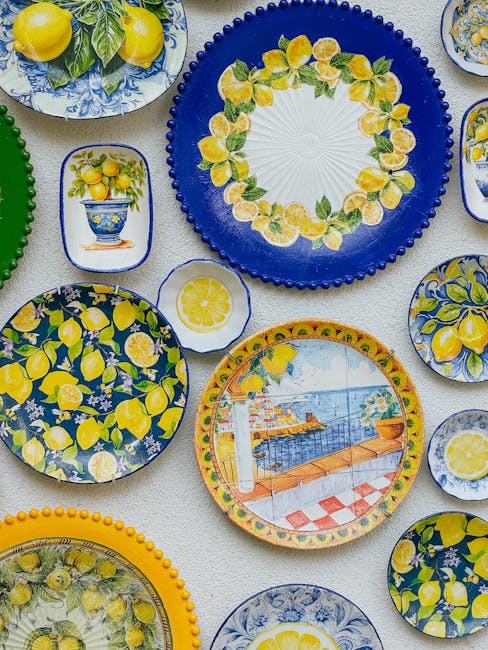
Capri’s pottery blends Mediterranean tradition with island motifs: lemons, acanthus leaves, marine designs and vivid colors like Capri blue, lemon yellow and emerald green. To hunt for authentic ceramics, start in the area between Via Camerelle and the Piazzetta (Piazza Umberto I, 80073 Capri NA). Many shops around the Piazzetta display hand-painted plates, pitchers and decorative tiles. A useful landmark: the shopping street Via Vittorio Emanuele and the small streets off it are home to studios and retailers of ceramic wares.
Addresses and practical suggestions:
- Piazza Umberto I, 80073 Capri NA — the heart of Capri, the Piazzetta: several shops around the square sell handcrafted pottery. Indicative prices: small magnets and bowls €12–30, decorative plates €60–180, traditional pitchers €80–250. Typical hours: 9:30 a.m. to 8:30 p.m. in high season; closing around 6:00 p.m. in low season.
- Via Camerelle, 44–60, 80073 Capri NA — a chic shopping street where big brands sit alongside local studios. Look for discreet signs to find pieces signed by artisans. Prices: €50–300 depending on size and technique. Hours: 10:00 a.m.–7:30 p.m. (high season).
- Marina Grande (port), Piazza Nido d’Ape area, 80073 Capri NA — the port and its surroundings sometimes host pop-up markets and craft stalls where you can find simpler ceramics at more affordable prices: €15–80. Market hours vary, often early in the morning around 8:00 a.m.–1:00 p.m.
Workshop visit recommendation: look for studios labeled “laboratorio” (e.g. “laboratorio di ceramica”). Artisans sometimes accept visits by appointment and offer painting demonstrations. Local buying tips: take time to check the quality of the glaze (even shine, no bubbles), the crispness of the design and the artisan’s discreet signature. Be wary of uniformly perfect, very cheap items — they may be mass-produced imports. For valuable pieces (antique plates or limited collections), ask for a certificate of authenticity and reinforced packaging for ferry or air travel.
Capri Jewelry: Gold, Coral, Cameos and Contemporary Designs
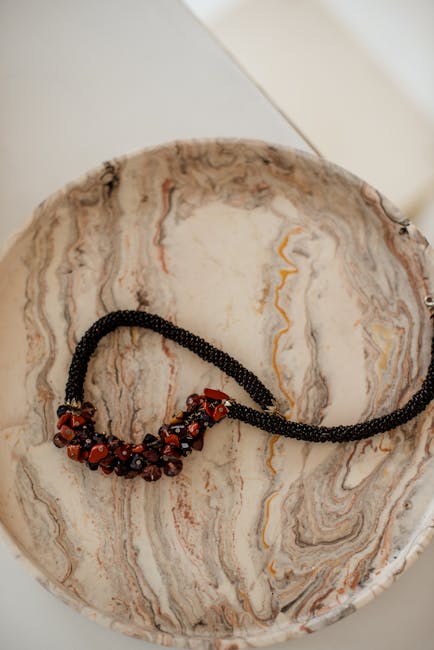
Jewelry is one of the island’s brightest crafts. Capri has a long jewelry tradition inspired by the sea: coral necklaces, carved cameos, gold pendants bearing local motifs, along with modern silver pieces and semi-precious stones. For the informed buyer, the difference is in the finish, the origin of materials and the handwork on settings and engravings.
Where to look and a few practical addresses:
- Via Camerelle, 30–50, 80073 Capri NA — a cluster of jewelers and workshops ranging from mass-produced jewelry to master goldsmiths. Prices: silver bracelets €60–250, pearl necklaces €150–800, gold jewelry from €300 up, natural coral necklaces often €200–2,000 depending on quality and rarity. Hours: 10:00 a.m.–8:00 p.m. in high season.
- Via Vittorio Emanuele, 80073 Capri NA — a commercial artery where independent designers sell signed pieces and accept bespoke commissions. Custom pricing: expect at least €150 for a simple locally made ring, €500 and up for solid-gold pieces with gems.
- Anacapri, Via Giuseppe Orlandi 20 (shopping area), 80071 Anacapri NA — in Anacapri several jewelry workshops offer a more rustic style and good value for money; bargaining can be easier if you buy directly from the studio. Hours: 9:30 a.m.–1:00 p.m. and 4:00 p.m.–7:30 p.m.
Tips for buying authentic jewelry:
- Ask about the coral’s origin: protected coral is subject to restrictions. Prefer pieces with a certificate or from workshops known for responsible material sourcing.
- Check the gold hallmark (14K, 18K) and ask for a detailed receipt listing metal type and weight.
- For cameos, inspect the depth of the carving and whether the material is shell or synthetic.
- If ordering a custom piece, allow time for production (often 3–10 days) and agree on a written deposit. Custom work often requires a deposit of 30–50%.
Handmade Treasures: Textiles, Bags, Leather Goods and Unique Souvenirs
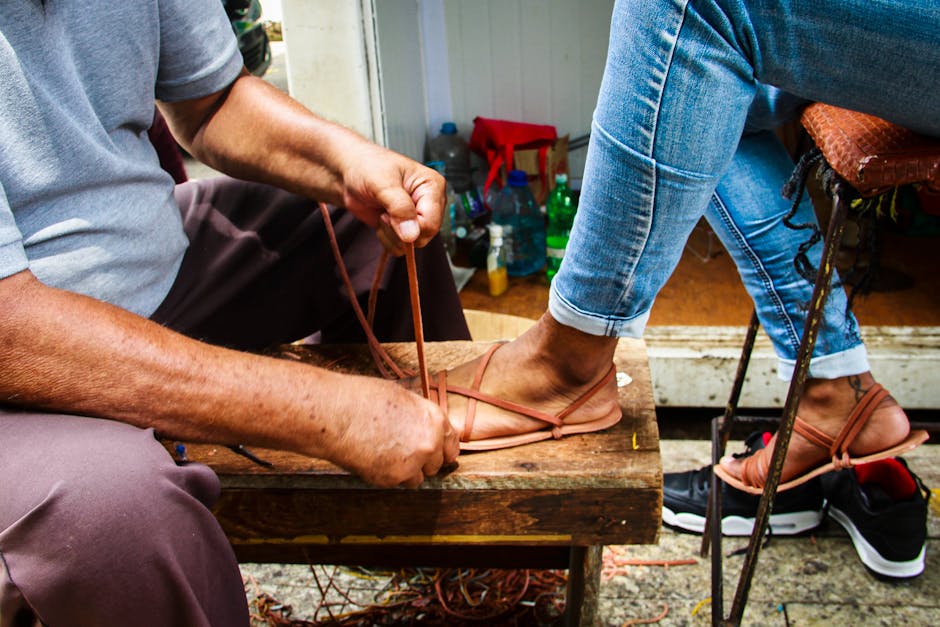
Beyond pottery and jewelry, Capri offers a varied range of handmade items: patinated leather bags, hand-stitched sandals, fine linens and embroidery, blown glass and small sculptures. Workshops producing these pieces are often found in Anacapri and along secondary streets in Capri, away from the busiest tourist routes, where family studios have been preserved.
Addresses and typical purchases:
- Anacapri, Via Giuseppe Orlandi, 80071 Anacapri NA — shops and leather workshops for sandals and bags; typical prices: custom sandals €80–250, artisan leather bags €120–450. Hours: 9:00 a.m.–1:00 p.m. and 4:00 p.m.–7:00 p.m. (high season).
- Via Longano & Via Giuseppe Orlandi intersection, 80071 Anacapri NA — area known for textile artisans and embroiderers; table linens, shirts and blouses €30–180 depending on the fineness of the work.
- Marina Grande Artisan Stalls, Port area, 80073 Capri NA — for lower-priced souvenirs (€20–60), ideal for exploring local styles: small bags, handmade costume jewelry, hand-dyed scarves. Markets are often morning events; check seasonality.
Local tips:
- Favor purchases from artisans who explain their technique: that’s often the best guarantee of authentic origin and real craftsmanship.
- Ask for reinforced packaging for ferry transport: many studios offer secure packing for €5–20 depending on size.
- If you buy a large or fragile item, ask about international shipping — some workshops work with specialist shippers (costs vary).
- Bargaining is acceptable at markets and in some Anacapri workshops, but do it politely: for handcrafted pieces, a modest discount (5–10%) is more common than a steep markdown.
Practical Route and Tips for a Day of Craft Exploration
Setting aside a day for crafts helps you make the most of meetings with makers and avoid crowds. Sample itinerary: start early at Marina Grande for a coffee by the harbor and check the stalls if they’re present, then take the funicular up to the Piazzetta (Piazza Umberto I, 80073 Capri NA) to explore pottery and jewelry shops around the square. In the afternoon head down Via Camerelle to scout studios and, if you have an appointment, go on to Anacapri to visit leather and textile workshops.
Typical schedule and recommendations:
- 08:00–09:30: Breakfast and morning market at Marina Grande (stall availability varies).
- 10:00–12:30: Piazzetta and Via Vittorio Emanuele — pottery and jewelry visits (most open around 10:00 a.m. in high season).
- 12:30–14:30: Lunch in a local trattoria (book ahead in high season).
- 15:00–18:00: Anacapri — leather workshops, custom sandals, textiles; late afternoon is a good time for demonstrations.
- 18:30–20:30: Return to Capri for dinner and last-minute shopping around the Piazzetta (many shops stay open later).
Final practical tips: bring water, wear comfortable shoes for cobbled streets, always ask if the workshop can ship large purchases, and keep receipts for customs paperwork if needed. Above all, take time to talk: an artisan who enjoys sharing their craft will make your purchase carry a story you can pass on.
Conclusion — Taking Home a Handmade Piece of the Island
Caprese craftsmanship is more than merchandise: it’s a window onto the island’s identity, its colors, materials and gestures. By choosing a hand-painted pot, a piece of jewelry shaped by the sea, or a carefully stitched leather bag, you’re buying more than an object — you’re taking home a fragment of history and know-how passed down hand to hand. This guide has given you concrete pointers to find the right workshops and addresses, along with price and opening-hour benchmarks to prepare your purchases. Remember that actual hours and prices can vary: tourist seasons, public holidays and annual closures affect workshop openings. It’s wise to contact a studio or shop in advance to confirm availability, production times and shipping options.
To get the most from your shopping in Capri, prioritize quality and transparency: ask about the object’s story, the origin of the materials, the techniques used and request a detailed invoice. If you want a custom piece, allow time, make a deposit and get a written description of the expected work. Finally, take the time to observe and listen: an artisan loves to talk about their craft and will often offer a short tour of their studio, demonstrate shaping a plate, or show the final step of a setting. Those encounters turn a purchase into a living memory — a true Caprese treasure.
Safe travels and happy discoveries: may you return with items that carry the scent of salt, the warmth of the sun and the deft hands that created what you’ll wear or display at home for years to come.