Introduction — Handmade limoncello in Capri: an elixir, a story, an experience
Capri is more than limestone cliffs, luxury boutiques and turquoise coves; it’s also the birthplace of a little sun‑yellow treasure: limoncello. This sweet, aromatic liqueur — made by infusing lemon peels in alcohol and then blending with a sugar syrup — carries the flavor of the Mediterranean: the scent of orchards, the warmth of the sun and the patience of local craftsmen. On Capri, where lemon trees brighten patios and terraces, handmade limoncello is as much a symbol of hospitality as it is a local product. Tasting or buying the “real recipe” takes a bit of know‑how: spotting a homemade limoncello, understanding differences between producers, and knowing where to look for shops or restaurants that stick to tradition.
In this professional, detailed guide we’ll walk through Capri to point out the must‑visit spots for tasting handmade limoncello, the artisan shops that bottle and sell it, and a few family producers who prefer to stay low‑key but are worth seeking out. You’ll find full addresses, indicative prices in euros, opening hours (based on the best available information) and immersive descriptions for each place. We’ll also add local tips: how to recognize quality limoncello, how to store it, when to drink it to enjoy peak freshness, and which food pairings to prioritize on the island.
On Capri, limoncello isn’t limited to being a post‑meal digestif: it can be part of a tasting flight, mixed into light cocktails, or bought as a souvenir. The difference between industrial and handmade limoncello is noticeable from the first sniff: complexity, sugar‑acid balance, brightness and mouthfeel. On the island, some historic venues and small family distilleries prefer hand‑zesting (avoiding the white pith), long infusion times, and a cold‑made sugar syrup to preserve the aromas. This guide will help you spot those details.
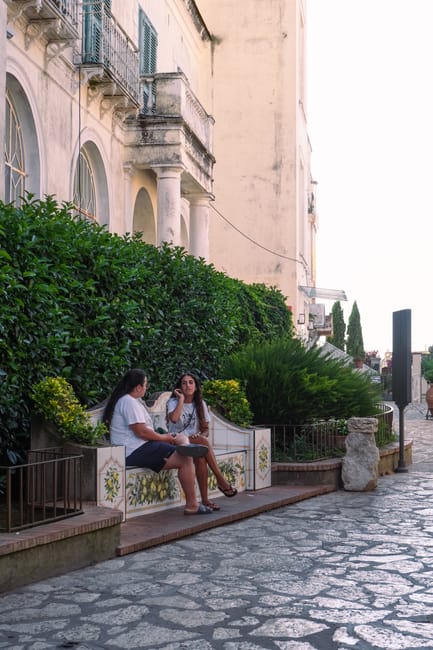
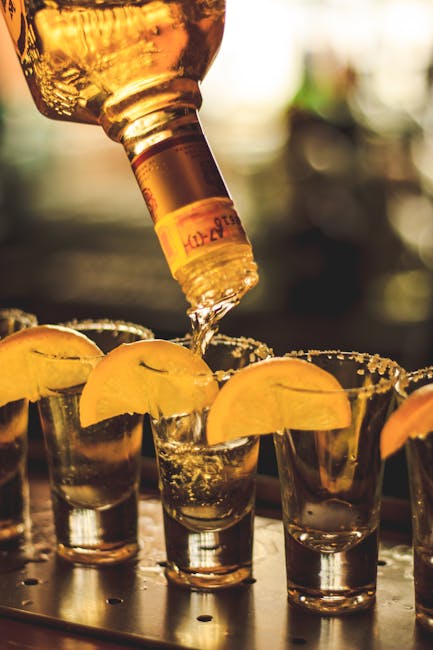
To accompany the text I’ve placed visual markers 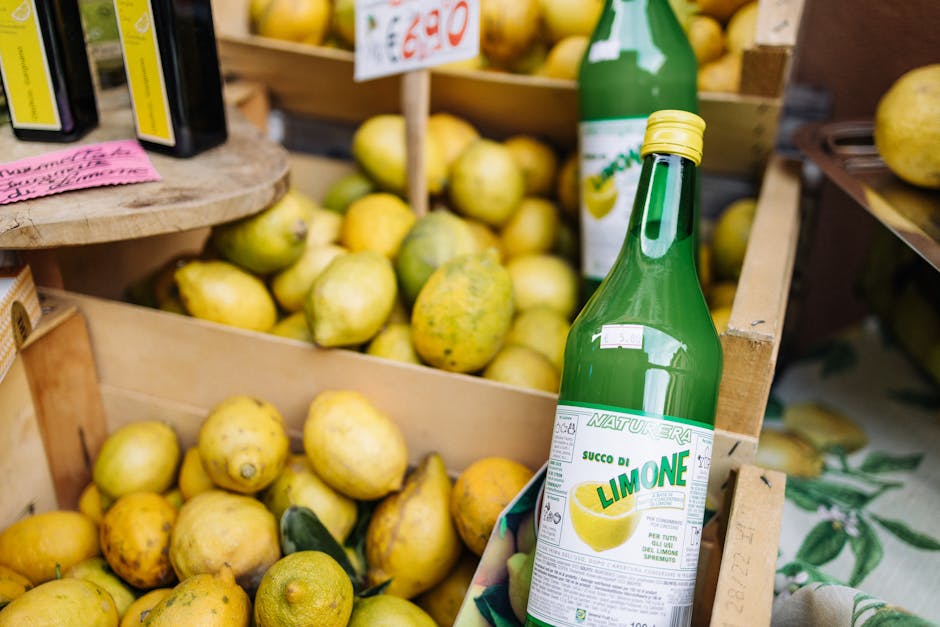 at the most evocative spots: the bustling piazza, a typical bar with small glasses of limoncello on the railing, a terraced lemon grove, a shop with bottles lined up in the sun, and sea views of Capri where limoncello is enjoyed after a swim. These images, described in English for illustration searches, will help you picture each place and situation.
The limoncello tradition in Capri: origin, method and signs of authenticity
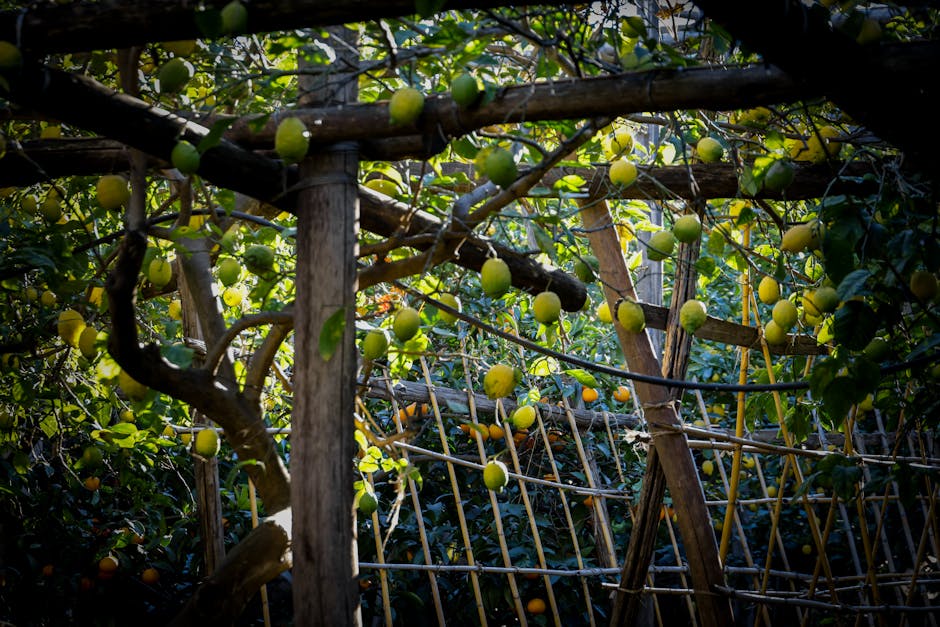
Understanding the limoncello tradition is the first step to recognizing the genuine Capri experience. Historically, limoncello comes from the Amalfi Coast and the Sorrento peninsula, but Capri, thanks to its microclimates and terraced lemon groves, quickly developed a very local take on the drink. On the island, lemon trees (often the Sfusato Amalfitano variety or related local cultivars) produce fruit with thin, fragrant skins ideal for extracting concentrated essential oils.
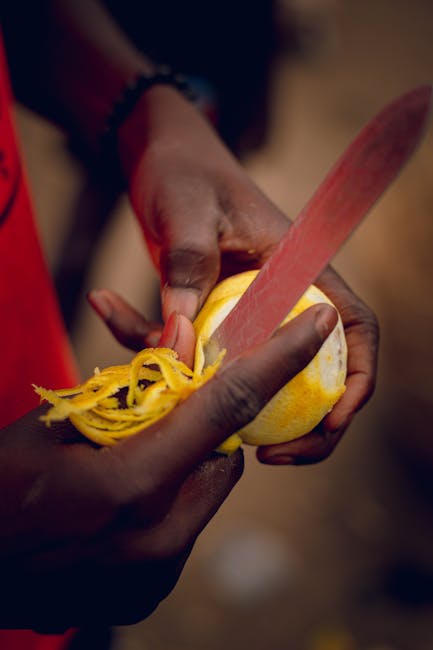
Typical artisanal method: Capri craftsmen prefer to work with organic or untreated lemons — the absence of wax and chemical treatments is essential. Zests are peeled by hand taking only the yellow outer layer and avoiding the white pith (albedo) which brings bitterness. These peels are then macerated in neutral alcohol (usually 95°) for several days to several weeks; the slower the infusion, the more complete the extraction of essential oils. After maceration you filter and add a simple syrup (water and sugar) at a controlled temperature to reach the desired balance. A final resting period of a few weeks harmonizes the flavors.
Signs of authenticity to look for:
- Color: a bright, natural yellow — never overly artificial or too opaque.
- Aroma: an intense nose of zest rather than sugary perfume, with floral and essential oil notes.
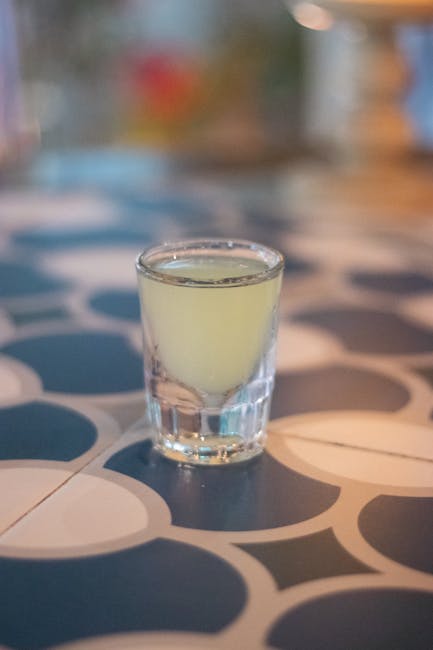
- Texture: on the palate, handmade limoncello should be silky and fresh, without excessive sugary heaviness.
- Ingredients: a short list — alcohol, water, sugar, lemon peels. No artificial flavors or colorings.
- Label: information on the origin of the lemons, the producer and the alcohol content (often 28–34% ABV for artisanal versions).
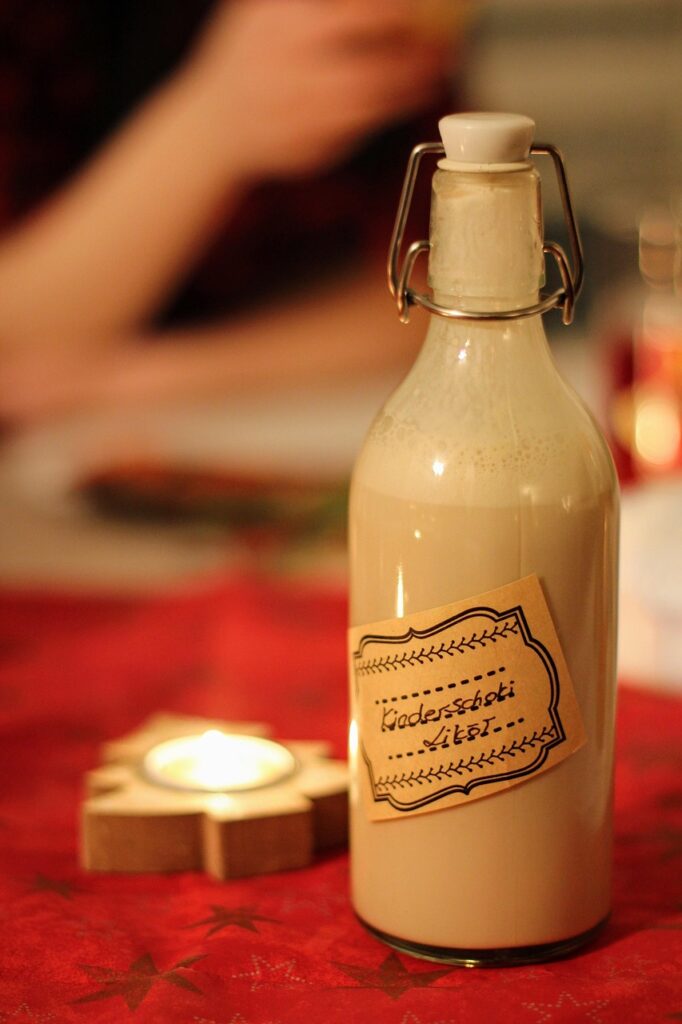
Practical tips: if in doubt, ask to taste (many bars and shops offer a sample), inspect the bottle — a handwritten label or a lot number is usually a good sign — and above all, ask staff where the lemons come from. Serving matters too: handmade limoncello is best served very cold (kept in the freezer or fridge) in a small chilled glass to appreciate the tart‑sweet balance.
Where to taste limoncello in Capri: iconic cafés, bars and restaurants
Capri has several spots where you can sample handmade limoncello in an island atmosphere. Here’s a curated list of reputable places across the island, with addresses, indicative prices and visiting hours. These venues are perfect for a tasting after a stroll or a meal, and some offer stunning views that are part of the experience.
-
Bar Tiberio — Piazza Umberto I, 6, 80073 Capri NA, Italy
Price: €3.00 — €6.00 per glass (depending on bar or terrace service).
Hours: open 09:00–01:00 (hours may vary off‑season).
Description: Located on the famous « Piazza della Caprese » (Piazza Umberto I), Bar Tiberio is a historic meeting point. The bar serves a local limoncello, often enjoyed at the end of a meal or in the late afternoon. The vibe is both elegant and relaxed: terrace tables overlook the piazza and let you watch the comings and goings of visitors. The tasting here is straightforward and authentic; staff can usually tell you if the bottle is artisanal. -
Da Paolino — Via Palazzo a Mare, 11, 80073 Capri NA, Italy
Price: limoncello digestif €4.50 — €7.00; tasting menus with limoncello extra (prices vary).
Hours: 12:30–15:00, 19:30–23:00 (closed some off‑season days — reservations recommended).
Description: Famous for its lemon‑tree canopy, Da Paolino offers an immersive experience: you dine under fruit trees and finish your meal with a house limoncello. The restaurant’s limoncello is often made from a family recipe — sweeter and highly aromatic, ideal after seafood. The atmosphere is romantic and quintessentially Capri. -
Ristorante Il Geranio — Via Giuseppe Orlandi, 3, 80073 Capri NA, Italy (Belvedere viewpoint)
Price: limoncello €5.00 — €8.00 per glass.
Hours: 12:30–15:00, 19:00–22:30 (seasonal hours).
Description: Located near the belvedere on the Piazzetta, Il Geranio offers panoramic bay views. The limoncello here is often more intensely citrusy and is appreciated as a finish to a meal with a view. Service is professional and presentation is neat. -
Ristorante Aurora — Via Matteotti, 11, 80073 Capri NA, Italy (Marina Grande area)
Price: €3.50 — €6.50 per glass of limoncello.
Hours: 12:00–15:00, 19:00–22:30.
Description: Near Marina Grande, this restaurant offers a fresh, often homemade limoncello. The vibe is maritime: many fishermen and visitors start or end their day here with a small glass. It’s a perfect spot to try limoncello after a swim.
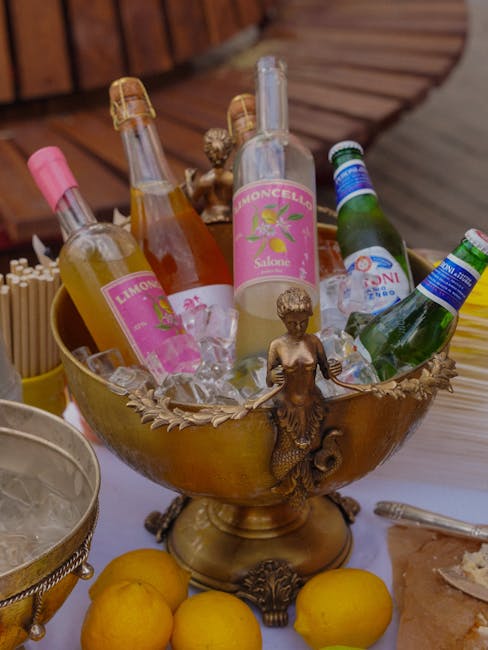
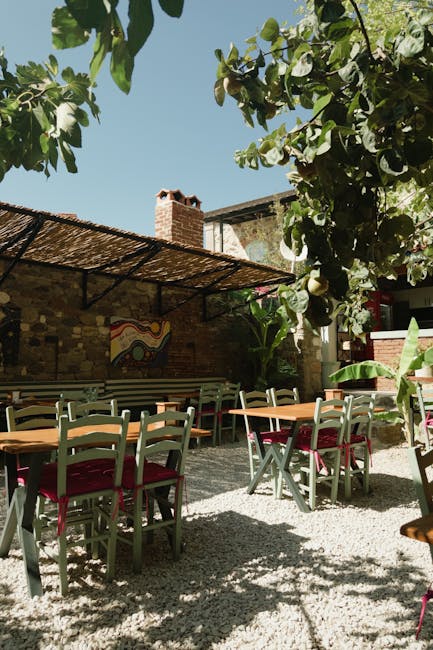
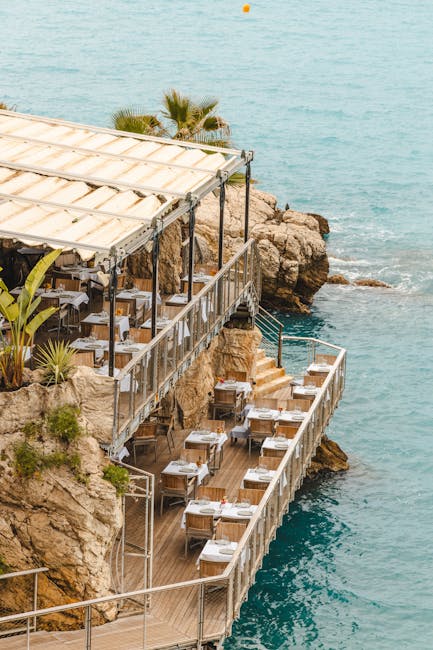
Tip: always ask whether the limoncello is made on site or purchased from a local producer. The most transparent places are proud to share the provenance and sometimes the method behind their limoncello.
Where to buy the real thing: artisan shops, markets and family producers
To take an authentic limoncello home, your best bet is to look for artisan shops, local producers and markets where bottles clearly state origin and production details. Capri has small stores specializing in liqueurs and lemon products, as well as family producers who sell directly. Below are typical addresses, price tips and storage recommendations.
-
Capri Limoncello Boutique — Via Vittorio Emanuele, 28, 80073 Capri NA, Italy
Price: 200 ml bottles from €10.00; 500 ml €18.00 — €30.00 depending on finish (artisan vs. premium).
Hours: 10:00–20:00 (seasonal hours).
Description: A shop specialized in liqueurs and lemon‑based products. Labels often detail the production method and bottling date. You’ll find traditional versions, special editions macerated longer, and sometimes decorative bottles. -
Mercato Rionale di Capri (local market) — Via Le Botteghe, 80073 Capri NA, Italy (locations vary)
Price: 200 ml €8.00 — €15.00; possible discounts for multiple bottles.
Hours: typically mornings 07:30–13:00; some stalls open late afternoon.
Description: Local markets are meeting points with producers: you may find artisans selling small batches of homemade limoncello. These bottles are often not industrially labeled but come with oral information about the recipe. A great chance to ask questions and buy something more “authentic.” -
Artisan shops along Via Le Botteghe and Via Camarelle — various addresses, Capri center
Price: 250 ml €12.00 — €25.00; decorative bottles and gift sets €20.00 — €45.00.
Hours: 10:00–19:00 during the tourist season.
Description: These streets gather artisans and gourmet souvenir shops. Look for labels that say « artigianale » or that show the bottling date and alcohol percentage. Sellers often allow a small tasting.
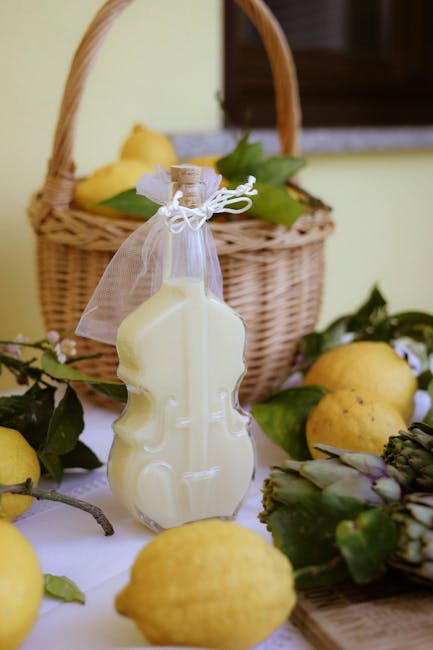
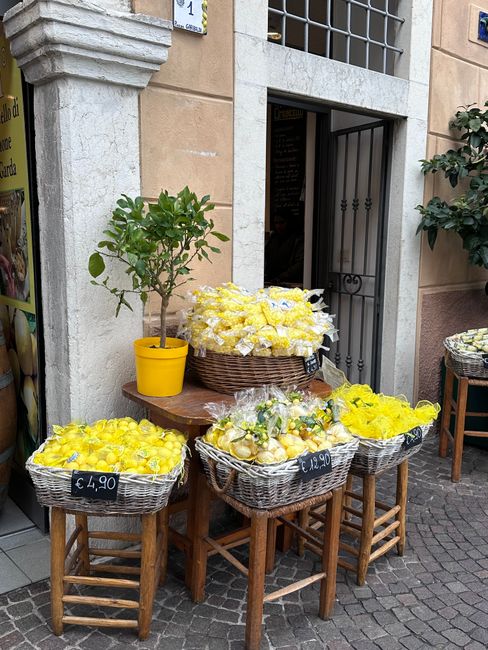
Buying tips: favor small batches over big tourist brands; ask for the bottling date (fresher is better), the alcohol percentage and whether the producer used untreated lemons. For travel, choose bottles packed in protective tubes — many shops offer secure packaging for flights.
Local tips for enjoying and storing Capri limoncello
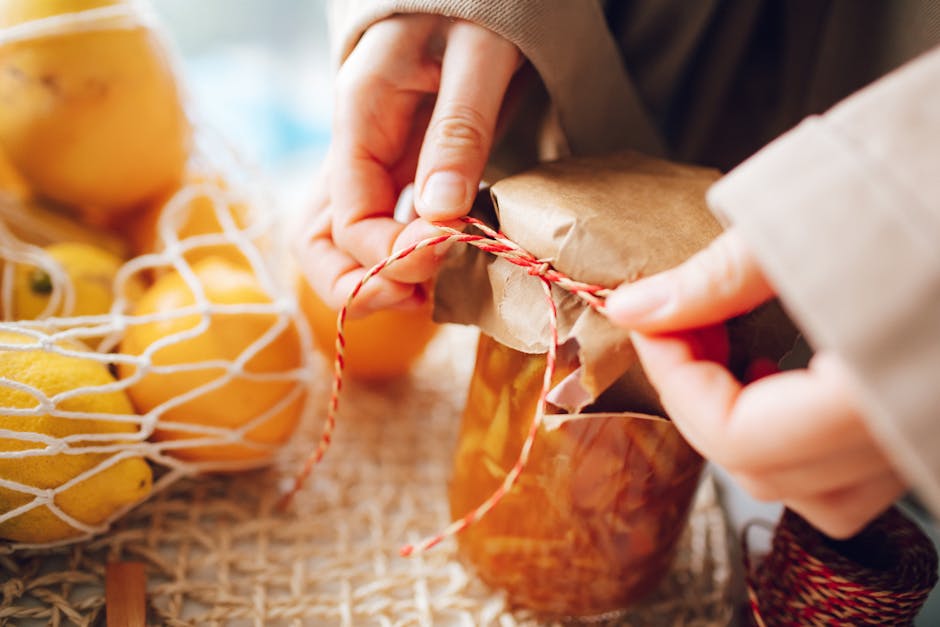
Drinking and storing handmade limoncello requires a few simple rules to preserve its sensory qualities. Locals on Capri are happy to share tips and traditions: limoncello is served very cold, after a meal, sometimes diluted with sparkling water as an aperitif or used in a sorbet.
- Service: store in the freezer (not necessarily solidly frozen, but very cold); serve in chilled 30–40 ml glasses. On Capri many people keep a small bottle in the back of the freezer for spontaneous digestifs after dinner.
- Food pairings: limoncello is traditionally served after a fish meal or pasta with seafood. It also pairs well with fruit‑based desserts or light creams (panna cotta, sorbets). Try a limoncello sorbet for a very local, refreshing treat.
- Storage: an opened bottle will keep 6–12 months in the fridge or freezer depending on alcohol content; the higher the sugar, the longer it will last. Avoid direct light and heat to preserve the essential oils.
- Transport: buy a protective bottle tube in the shop to prevent breakage during travel; also wrap in clothing to cushion shocks if flying.
- Buying as gifts: small bottles (100–200 ml) are ideal souvenirs and easy to carry. For a more special gift, look for « riserva » editions or numbered bottles from family producers.
Complementary experiences: workshops, tours and small distilleries on the island
Beyond bars and shops, some small outfits offer workshops or demonstrations where you learn how limoncello is made. These experiences are often intimate and by reservation: a visit to a family home, a hand‑zesting demonstration, and a final tasting. Here’s how to find them and what to expect.
Research and booking: ask your hotel reception, local guides or the Capri tourist offices — they often know producers who work by appointment. Workshops can cost between €30.00 and €80.00 per person (depending on duration and inclusions). Expect a small group (4–12 people), a hands‑on demo, and to take home a small bottle made during the session.
What you’ll learn: how to identify suitable lemons, hand‑zesting technique with a knife or peeler, how to manage maceration times, syrup preparation and flavor balancing. The added value is the producer’s oral history: family recipes, tips to minimize bitterness and commentary on cultivating lemon trees on the island terraces.
Practical tip: favor workshops run by producers who grow their own lemon trees; visiting the groves and tasting on site (under a pergola or on a terrace with a view) makes the experience unforgettable.

Conclusion — Take a piece of Capri home in a bottle
Handmade limoncello in Capri is far more than a sweet liqueur: it’s a concentrated snapshot of landscape, know‑how and conviviality. Between lively piazzas, lemon gardens and small shops where bottles are still sealed by hand, every sip tells a local story. To spot the « real recipe, » trust the signs of authenticity: lemon origin, simple ingredients, an indicated artisanal method, and the taste — bright, fragrant, balanced.
During your stay, start with a tasting on the Piazzetta (Bar Tiberio or a neighboring café) to catch the island’s spirit, then look for a specialist shop to buy your bottle. If possible, join a workshop: learning to make limoncello will let you take home the recipe as well as the bottle. Finally, follow local advice for storage, serve it ice‑cold and pair it properly with desserts or seafood dishes.
Whether you’re here for a romantic weekend or a week of exploration, plan at least one limoncello‑dedicated pause: it’s a Capri ritual in its own right. Take home a well‑packed bottle, note the producer’s name and the bottling date, and share the discovery — a glass of handmade limoncello can turn a travel memory into a lasting taste, savored with images of the deep blue sea and sunlit lemons.