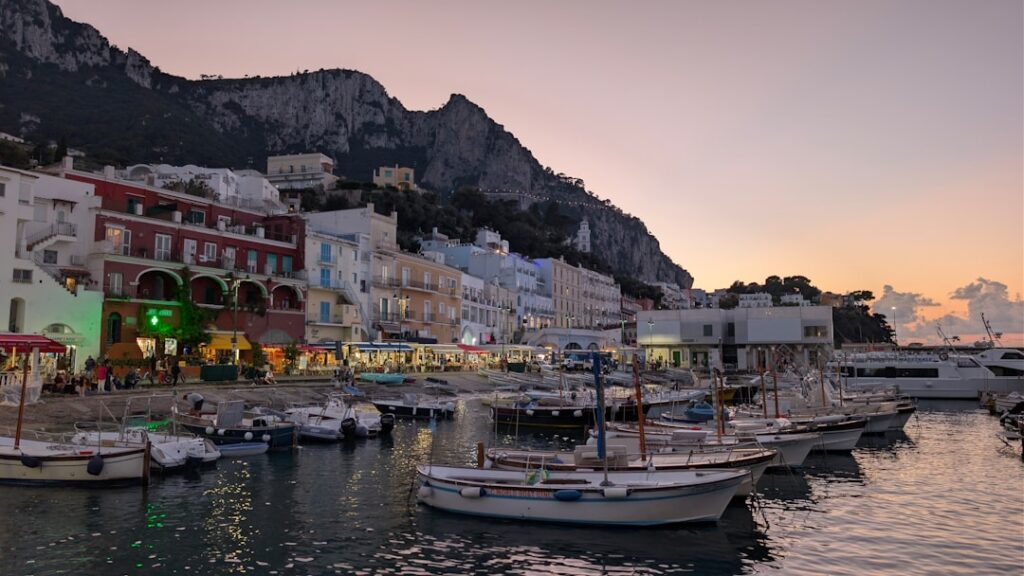
Introduction: Origins and views — a primer on the Gardens of Augustus in Capri
The Gardens of Augustus (Italian: Giardini di Augusto) are one of Capri’s most iconic and photographed strolls. Perched on a natural terrace above the Tyrrhenian Sea, these gardens combine striking geology, human history and carefully planned landscaping to tell the island’s story as a tourist and cultural destination since the late 19th century. This guide aims to explain the historical origins of the Gardens of Augustus, map out their layout and viewpoints, and give you practical details — addresses, opening hours, ticket prices and local tips — so you can plan your visit with confidence.
The gardens’ story is tied to Capri’s rise in popularity among European and North American travelers at the turn of the 20th century. Creating public promenades and scenic overlooks was part of a deliberate effort to develop the island for tourism, driven by patrons, landscape architects and local authorities who wanted to channel visitors onto safe, picturesque routes. Built on old agricultural terraces and limestone outcrops, the gardens present a layered narrative: traces of past human activity, modern landscape interventions, and a continuity of spectacular sea views.
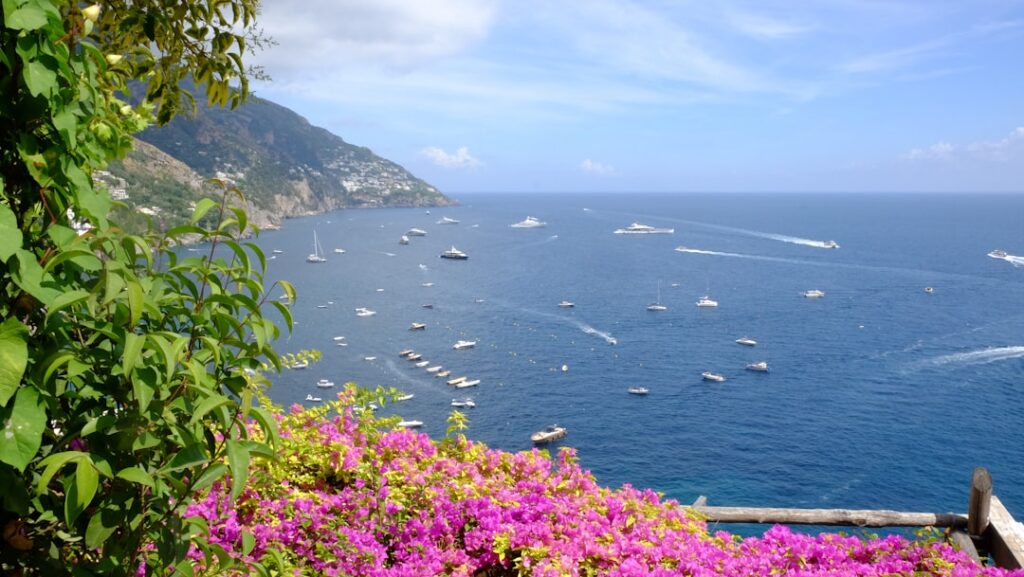
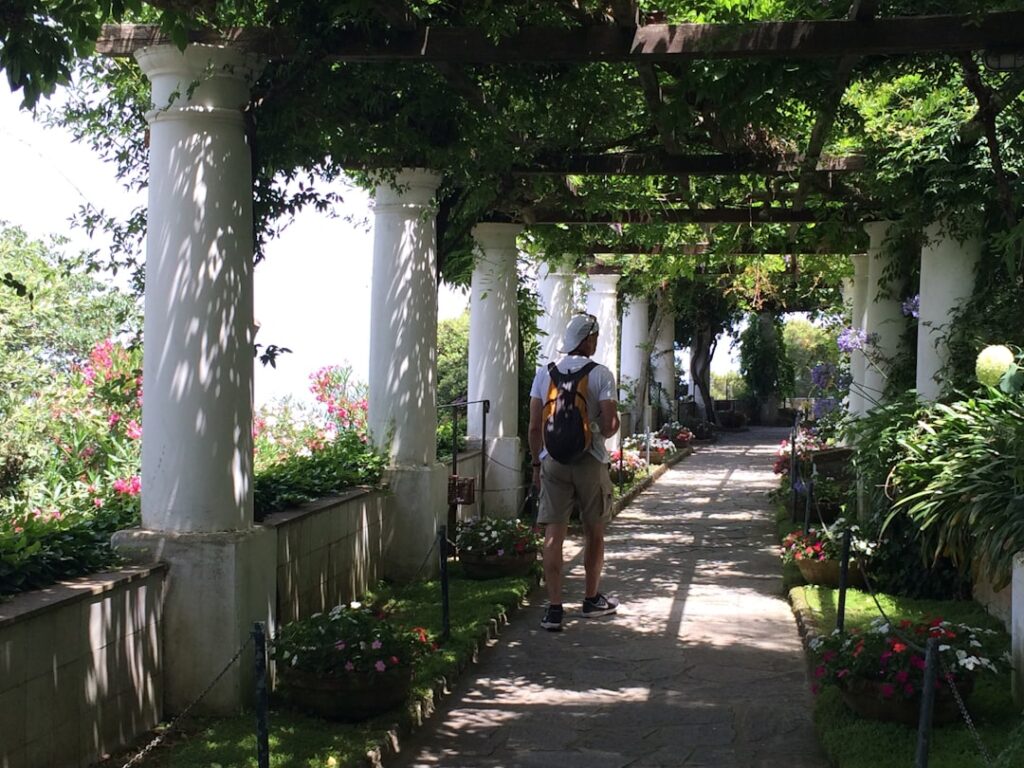
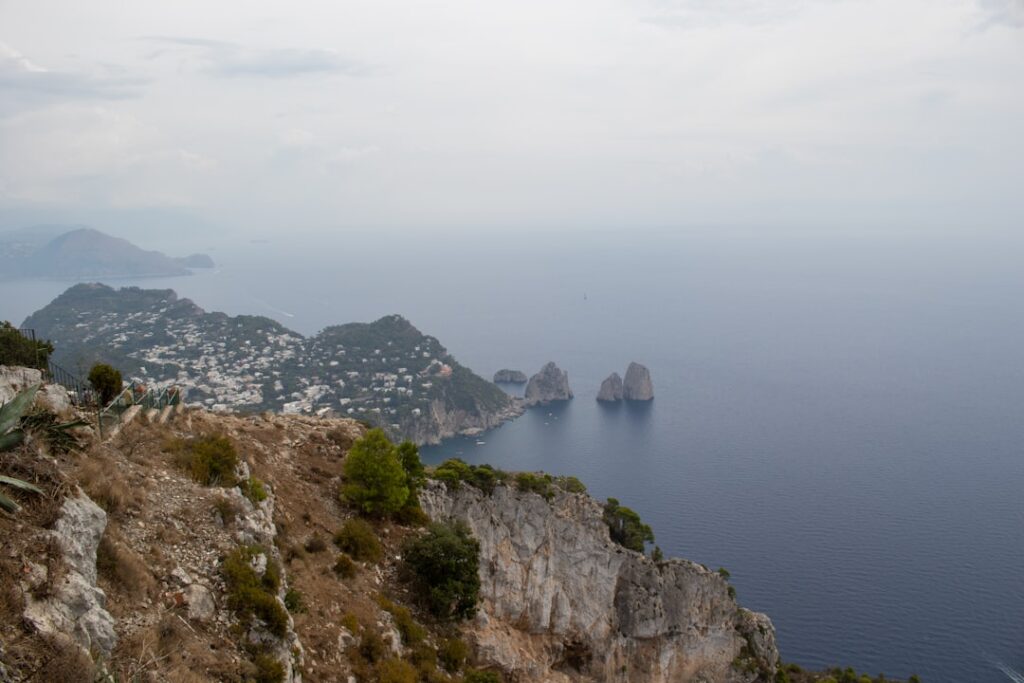
On site your eye is drawn to terraces edged with Mediterranean plants — vivid bougainvillea, sculptural cacti, succulents and maritime pines — framing viewpoints that look over the famous Faraglioni (the three iconic sea stacks) and Marina Piccola bay. These viewpoints were designed for contemplation and photography but also for pause: stone benches, shaded paths and a small information kiosk. The Gardens of Augustus sit within walking distance of Capri’s main attractions like the Piazzetta (Piazza Umberto I), Via Krupp and the Tragara promenade, making them a central stop for anyone wanting to understand the island’s cultural geography.
This guide is written for discerning travelers: it includes practical details (exact address, prices in euros, typical opening hours), suggested routes, photography tips for the best light, and local advice on pairing the gardens with spots like Villa San Michele in Anacapri or Marina Piccola. You’ll also find warnings for high season (crowds, heat, appropriate footwear) and strategies to avoid the busiest times (off-peak hours, alternate routes).
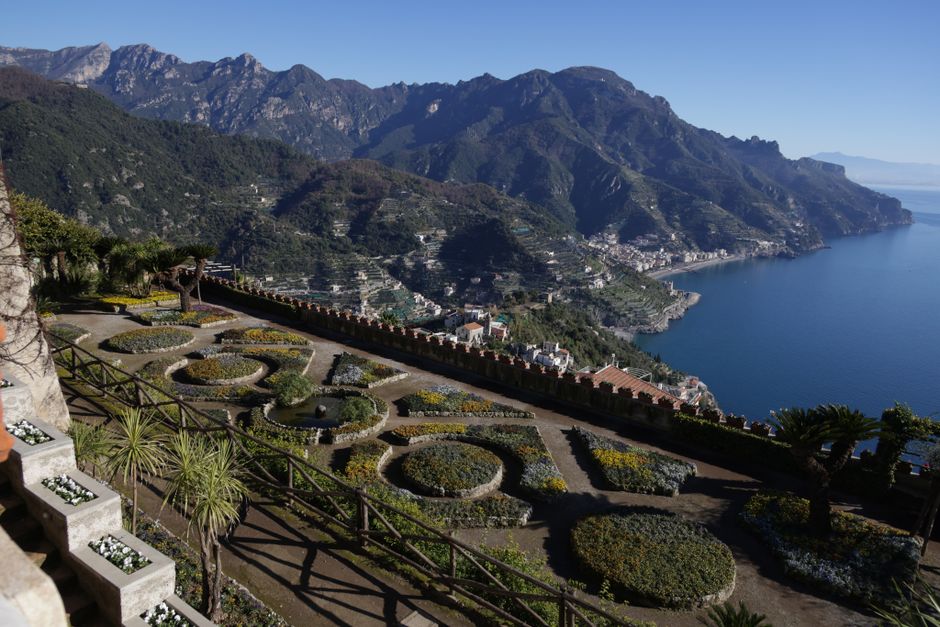
Before we dive into the history and practicalities, know that the Gardens of Augustus are a perfect observation point for understanding why Capri has long captivated poets, sculptors and travelers: the meeting of sea, rock and a human-shaped garden reveals the island as a cultural landscape where people have carved windows onto the infinite.
Historical origins and development of the Gardens of Augustus
The Gardens of Augustus aren’t named after a Roman emperor or an imperial antechamber — the modern name comes from a much more recent period. The landscaped areas you see today were designed around the turn of the 20th century, when Capri was establishing itself as a prestigious tourist destination. Patrons, architects and private landowners worked with the municipal authorities to convert agricultural terraces into panoramic public walks. Exact names and dates of those involved vary by source, but the shared goal was obvious: protect exceptional viewpoints and make them safe and accessible for a fashionable international clientele.
Before that transformation, the rocky ledges and terraces above the sea were mainly used for agriculture (vines, fig trees) and to access small harbors. The island’s steep cliffs and limestone layers required interventions to stabilize soils and create walkable paths. Planners often made use of existing structures: dry-stone walls, remnants of old tracks and natural alcoves. Over time, Mediterranean plants suited to salty winds were introduced to reduce erosion and shape the visual composition.
The first half of the 20th century saw Capri become a retreat for aristocrats and bohemians. Writers, artists and European personalities helped raise the island’s profile, and tourist-driven urban planning promoted the creation of public gardens that showcased the coastline. The landscape architecture of the Gardens of Augustus gradually added decorative elements (stone benches, low walls, planter beds) and modern interpretive panels, offering visitors a framed experience of contemplation.
After World War II and during the postwar boom, Capri experienced a surge in tourism that required active visitor management. The Comune di Capri and local associations maintained the Gardens of Augustus — pruning plants, repairing walls and updating signage. Today, the gardens’ history is visible in its successive layers of intervention: traditional dry-stone craftsmanship, salt-tolerant plantings, and modern facilities that make the site accessible without degrading the panorama.
Understanding that evolution helps you see the gardens not just as a pretty backdrop for photos, but as a cultural palimpsest: each viewpoint preserves memories of agricultural use, landscape innovation and tourism choices that shaped Capri. The Gardens of Augustus are therefore an excellent starting point for anyone interested in the island’s material and social history.
Location, access and practical information: addresses, prices, hours
Exact address: Giardini di Augusto (Gardens of Augustus), Via Matteotti, 1, 80073 Capri NA, Italy. The site is just a few minutes’ walk from the famous Piazzetta di Capri (Piazza Umberto I, 80073 Capri NA, Italy) and sits at the top of the promenade that leads down to Marina Piccola.

Opening hours (indicative and seasonally variable):
- High season (April to October): generally 09:00 – 19:30.
- Low season (November to March): generally 09:00 – 17:00.
These times can change for special events or maintenance; check the on-site information boards or the Comune di Capri website before you go.
Ticket prices (example figures — verify locally):
- Full adult fare: ≈ €1.50.
- Reduced fare (students, seniors): ≈ €0.75.
- Children: free for under 6s.
Tickets are usually sold at a small booth or a machine at the entrance; keep yours as it may be checked on exit or during inspections.
Access and practical tips:
- From the Piazza Umberto I (La Piazzetta): take Via Camerelle or Via Matteotti; allow 5–10 minutes on foot depending on where you start. Piazzetta address: Piazza Umberto I, 80073 Capri NA, Italy.
- From Marina Grande (main port): you can take a bus or a taxi. If you walk, factor in a 20–30 minute uphill trek. Port address: Piazzale Marina Grande, 80073 Capri NA, Italy.
- Shoes: wear non-slip soles; paths are mostly stone and can be slippery after rain.
- Photography: best light early morning or late afternoon; midday is harsh and busiest.
- Facilities: there’s sometimes a small information kiosk, public toilets nearby (check locally), and cafés and souvenir shops around the Piazzetta.
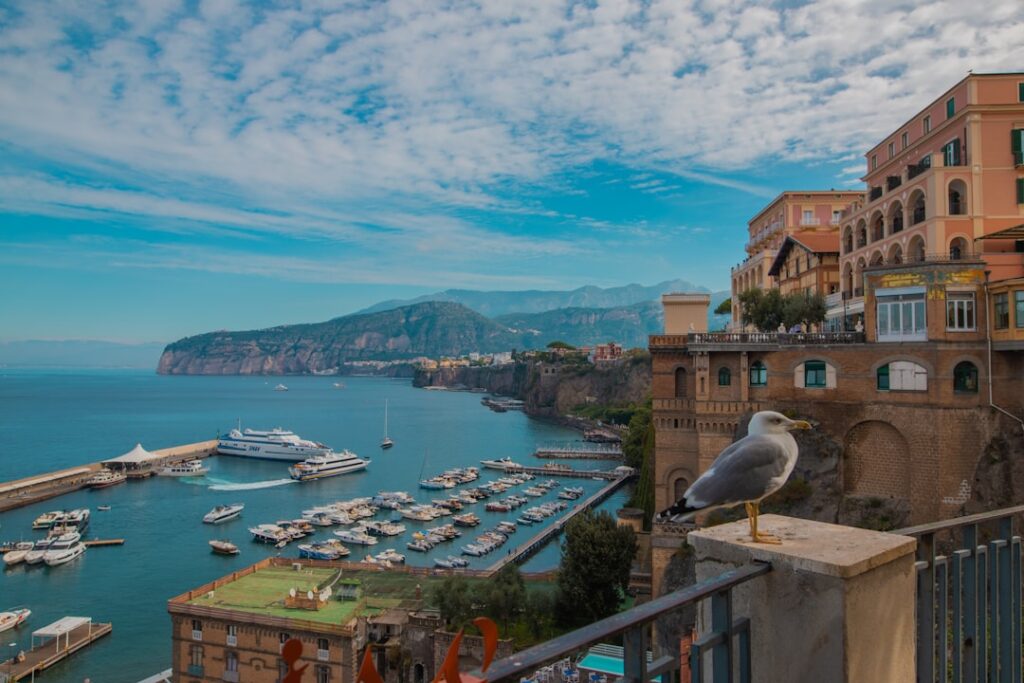
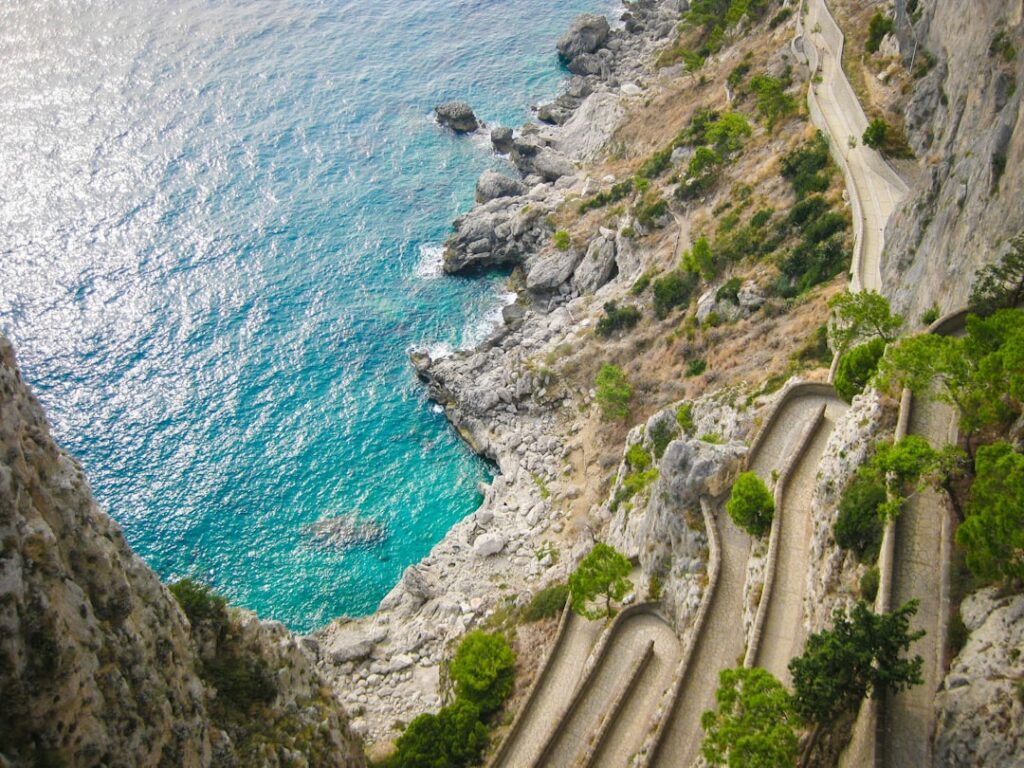
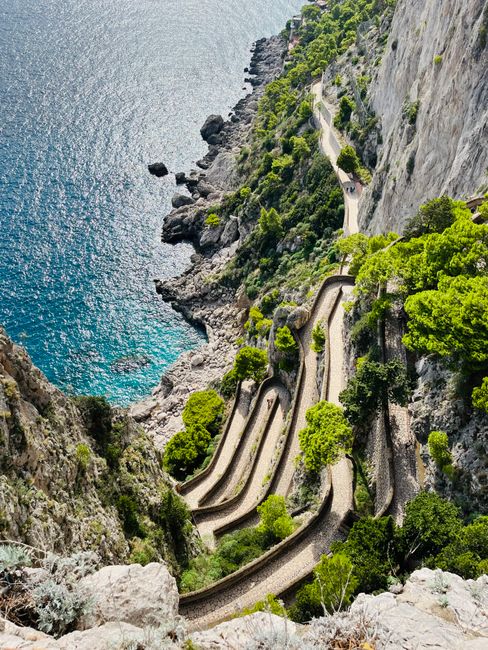
To combine your visit: after the Gardens of Augustus, walk down Via Krupp (Via Krupp, 80073 Capri NA, Italy) — the famous winding path — to Marina Piccola, or head for the Tragara promenade for another excellent viewpoint of the cliffs and the Faraglioni. If you have half a day, take the bus up to Anacapri to visit Villa San Michele (Address: Via Capodimonte, 34, 80071 Anacapri NA, Italy) and its gardens.
Iconic views from the terraces: the Faraglioni, Marina Piccola and Capri’s panorama
What sets the Gardens of Augustus apart, beyond the tidy landscaping, are their spectacular views: each lookout frames a different slice of Capri’s coastline. The highlight is undeniably the view of the Faraglioni, those three isolated rocks offshore, as if sculpted by the sea. From the terraces you can watch the waves, the ever-changing hues of the water and the rock silhouettes on the horizon — perfect compositions for photography and quiet reflection.
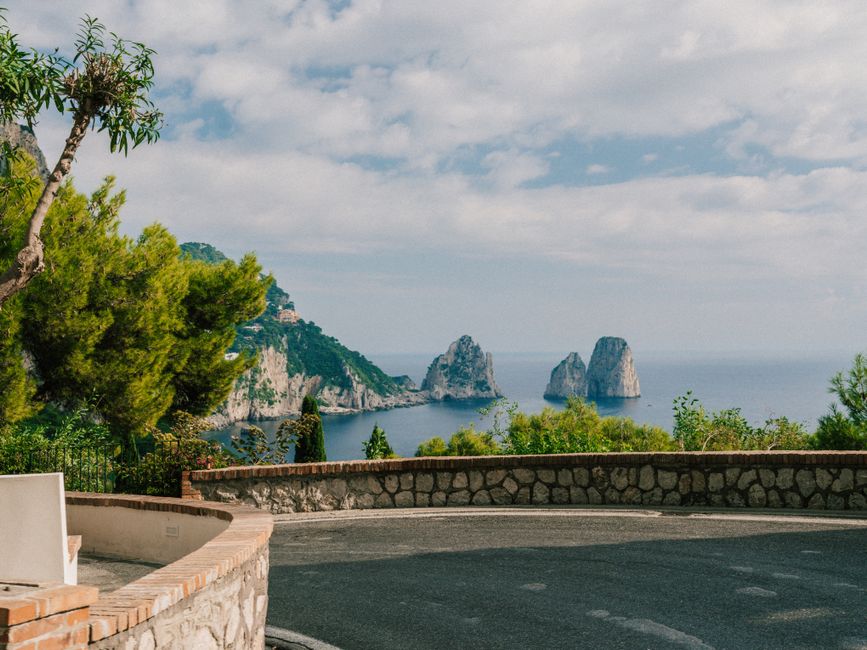
Looking southwest you’ll spot the Marina Piccola bay with its beaches and small fishing boats. The mix of pebble shores, beachfront hotels and wilder coves gives the sense of a small, intimate island where tourism coexists with traditional practices. From the gardens you can also read the island’s morphology: limestone layers, steep slopes and the way buildings sometimes follow the land’s contours.
Another essential viewpoint is the Tragara promenade, which extends the visual experience: it offers a frontal, slightly different view of the same Faraglioni, often photographed at sunset. The Gardens of Augustus, meanwhile, provide a broader composition that includes the Piazzetta and the web of streets winding inland.
Tips to enjoy the views:
- Timing: sunrise and sunset offer warm, dramatic tones; the blue hour after sunset is great for softer shots.
- Positioning: to avoid crowds appearing in your photos, go up to the upper terrace when people cluster around the central bench.
- Lenses: a wide-angle lens captures terraces and panorama together; a telephoto isolates the Faraglioni for marine details.
- Weather: rough seas reduce visibility but create dramatic contrasts — mist and spray can make powerful images.
Recommended routes and how to combine the gardens with other sites
Visiting the Gardens of Augustus can fit into several itineraries depending on how much time you have on the island. Below are three typical routes — short stroll, half-day circuit and full-day plan — with practical tips to make the most of each option.
Short route (1–2 hours):
- Start: Piazzetta (Piazza Umberto I, 80073 Capri NA). Enjoy a coffee on the terrace.
- Walk: Via Matteotti to the Gardens of Augustus (Via Matteotti, 1, 80073 Capri NA). Tour the viewpoints and take photos (≈ 30–45 minutes).
- Return: continue down to Via Krupp (Via Krupp, 80073 Capri NA) then head back to Marina Grande if you have a ferry to catch.
- Tip: this route is ideal if you have a short window between boat crossings.
Half-day route (3–4 hours):
- Morning: start at the Gardens of Augustus for soft morning light. Then continue to the Tragara promenade for a different angle.
- Midday: light lunch near the Piazzetta (varied restaurants; book in high season).
- Afternoon: bus or taxi to Anacapri to visit Villa San Michele (Via Capodimonte, 34, 80071 Anacapri NA). Villa opening hours are often 09:00–18:00 and admission is typically around €6–8 depending on exhibitions. Check exact times before you go.
Full-day route:
- Morning: stroll the Gardens of Augustus and the Piazzetta, then head down to Marina Piccola for a swim or just to watch the sea.
- Midday: lunch at Marina Piccola (small beachside restaurants) or return to the center for a historic trattoria.
- Afternoon: cross to Anacapri for Villa San Michele and ride the chairlift up Monte Solaro (Monte Solaro chairlift, Piazza della Pace, 80071 Anacapri NA — hours and prices vary).
- Evening: return to Capri for a sunset walk along the Tragara promenade. Dinner in the Piazzetta to soak up the lively atmosphere.
Logistics tips:
- Transport: frequent local buses connect Marina Grande, central Capri and Anacapri; taxis and scooters are available but limited in high season.
- Reservations: book restaurants and some museums in advance during July–August.
- Gear: bring water, a hat, sunscreen and a light jacket for the evening; the sea breeze can cool you down.
Local tips, etiquette and caring for the gardens
Capri locals are proud of their island and mindful of preserving its spaces. Here are concrete tips to respect the Gardens of Augustus and enjoy a responsible visit.
Respect the space:
- Don’t pick the plants: bougainvillea and other species are vital for terrace stability and erosion control.
- Avoid loud behavior: the gardens are places for contemplation; keep your voice low, especially near other visitors.
- Take your trash with you: use bins where provided or carry your rubbish until you find one.
Interacting with locals:
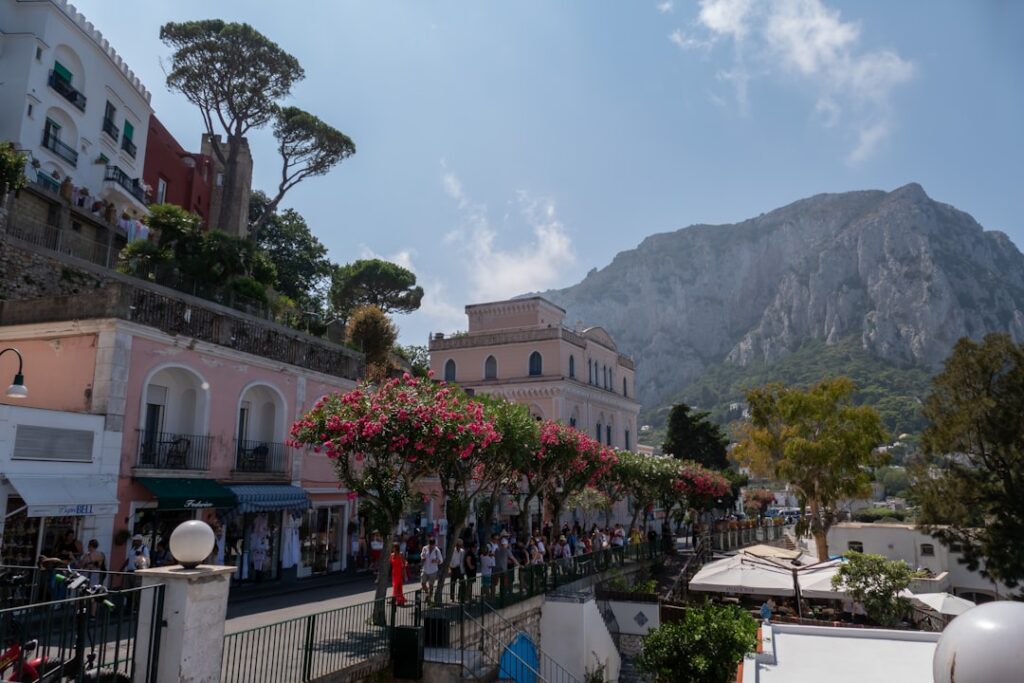
- Support local businesses: buy a coffee or a bottle of water at the Piazzetta or from Anacapri shops.
- Ask before photographing people: some shopkeepers and residents prefer not to be photographed without permission.
- Opening hours and siestas: some shops close in the afternoon, especially out of season; plan purchases accordingly.
Conservation and community engagement:
- Read the rules posted at the entrance: certain areas may be temporarily closed for restoration.
- If you notice damage, report it to municipal staff or the tourist office; maintenance is often handled by local teams.
- Participate if you can: some associations organize clean-up days or guided walks focused on local botany.
Conclusion: Why visit the Gardens of Augustus — experience and lasting memories
The Gardens of Augustus are far more than a photo stop in Capri: they’re a living lesson in landscape history, a geographical observatory and a sensory experience. Stand on a terrace and you’ll find geology, human history and Mediterranean landscape design all intersecting for contemplation. Place names — Giardini di Augusto, Via Matteotti, Piazzetta di Capri, Via Krupp, Marina Piccola — quickly become landmarks that help you understand the island.

On a practical note, remember the essentials: exact address (Via Matteotti, 1, 80073 Capri NA), typical seasonal opening hours (often 09:00–19:30 in high season) and modest entry fees (≈ €1.50 full fare). Combine your visit with the Tragara promenade, Via Krupp and, if time allows, an excursion to Anacapri to see Villa San Michele (Via Capodimonte, 34). These pairings deepen the natural, historic and scenic dimensions of your trip.
To make the most of the Gardens of Augustus: visit early morning or late afternoon for the best light, follow local rules and savor the shifting panoramas with changing weather. Capri reveals itself to those who slow down: here, every stone wall and bougainvillea bush tells a story of care, resistance to sea winds and the search for the perfect view. Bring back photographs and impressions — and, if possible, a small gesture in support of local conservation — so your visit helps preserve this unique landscape for future generations.