




Introduction — Discovering Capri’s Blue Grotto: a marine wonder
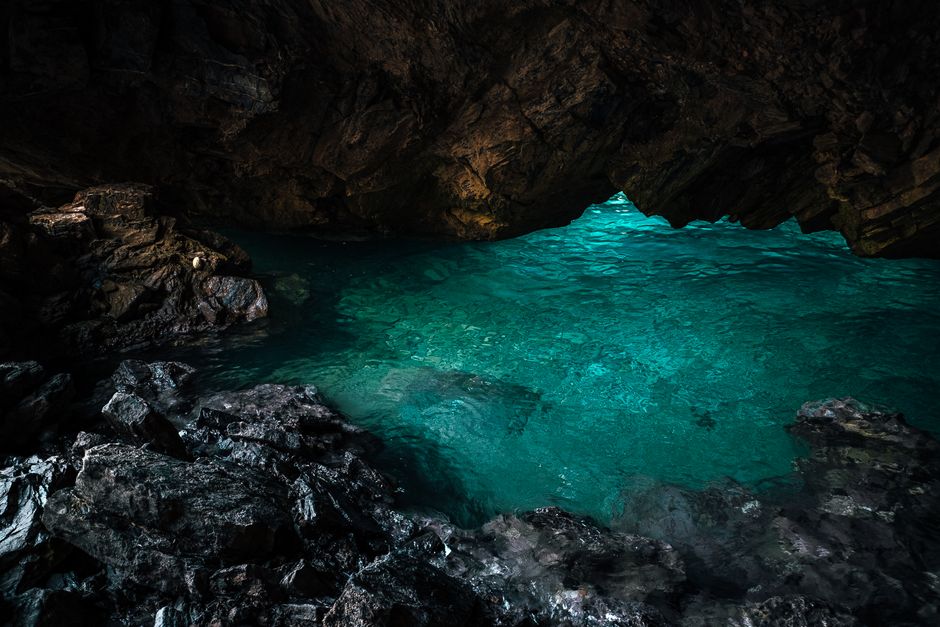
The Grotta Azzurra, known worldwide as the Blue Grotto, is one of Capri’s most iconic gems. Tucked into the island’s northwest shoreline, this sea cave bathes its waters in an otherworldly blue thanks to an optical effect: sunlight passes through a submerged opening and filters up through the water. The mix of crystal-clear water, limestone walls polished by time and a low entrance that forces visitors to lie back in a tiny rowboat creates an unforgettable, immersive experience — more than a simple tourist stop, the Blue Grotto is a small nautical and sensory ceremony.
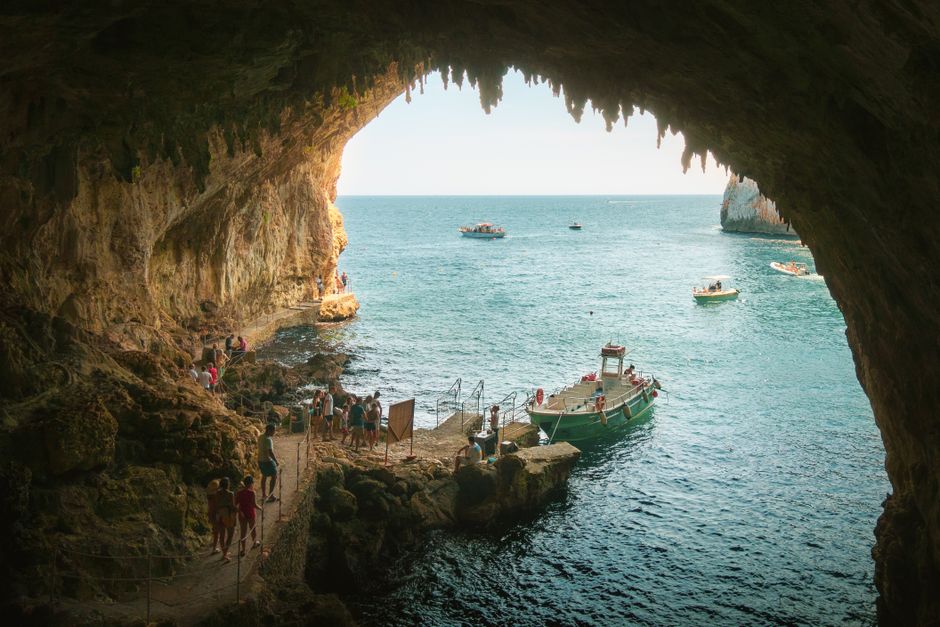
The cave’s story goes back to antiquity: Roman writings suggest the site was already known as a place of ritual or leisure. Rediscovered in the 19th century and popularized by European travelers, the grotto became a must-see on the Grand Tour. Even today, despite the steady stream of visitors, it retains a mysterious aura connected to the sea, to time and to local seafaring traditions.
If you’re planning a visit, practical details matter: the grotto is only reachable by sea and is highly dependent on weather and swell. Departures are mainly from Piazza Marina Grande, 80073 Capri NA, Italy or from the docks at Marina Piccola (Via Marina Piccola, 80073 Capri NA, Italy). Access usually involves a shared boat ride followed by a transfer into a local rowboat to squeeze through the low “opening” into the inner chamber. Times and prices vary by season; the grotto is typically open from 09:00 to 17:00 in high season but can close without notice if the sea is rough. Expect to pay an entrance fee of about €15 per person to enter the cavity, plus the boat fare (around €18–€22 per person for a shared shuttle from Marina Grande or €60–€120 for a small private boat, depending on duration).
This article is a practical, in-depth guide: history, geology, marine secrets, a step-by-step visit plan, local tips and alternatives if the grotto is closed. We’ll also cover how to behave inside, how to photograph the cave (despite the challenges), and which services or island routes to combine with your trip. Whether you’re a photographer, a maritime history buff or a traveler after a unique moment, this guide will help you make the most of a visit to the Grotta Azzurra.
History and legends of the Grotta Azzurra (Blue Grotto)
The Grotta Azzurra has endured through the ages wrapped in stories and myths. The earliest documented mentions date back to Roman times: sources name it as a bathing spot and retreat for members of the aristocracy. Over the centuries access was gradually lost, and the cave was forgotten until the 19th century when European explorers and artists rediscovered the site and helped make it famous internationally. Among notable visitors, the Danish painter Barthélemy made the water’s supernatural color famous through his canvases, drawing an international clientele to the island.

The very low entrance and the light effect have sparked local legends: some old sailors described the grotto as home to protective sea spirits, while others believed the water had healing properties. These stories helped shape an almost ceremonial ritual for entering — the requirement to lie flat in the boat, a brief enforced silence, and the sudden sensation of stepping into another world as the light seems to arise from beneath the sea. Geologically, the grotto is a karst cavity carved into the island’s limestone by erosion and sea action over millennia. The main opening below the waterline lets light filter in which, as it passes through the water layer, creates the signature azure hue and lights up the white walls.
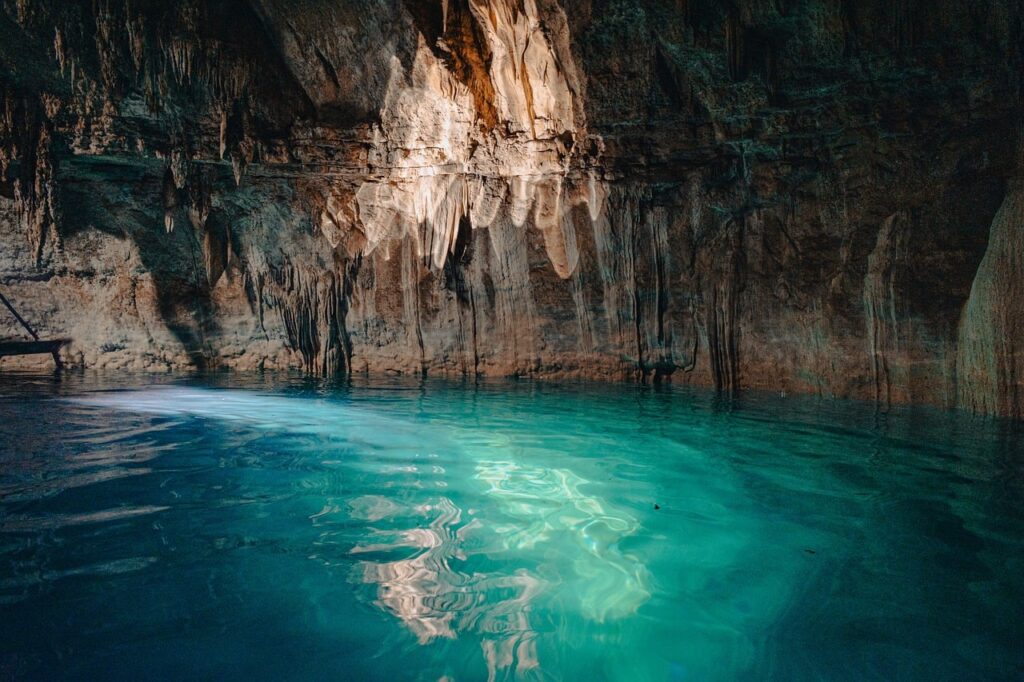
In the 19th and early 20th centuries, the Blue Grotto was a fascination point for Grand Tour travelers. Guidebooks and artists immortalized the spot, increasing its touristic draw. Today, elements of that tradition remain: local wooden rowboats and the « barcaroli » (rowers) who literally pull you inside are still emblematic. Their presence is a reminder that the grotto is not just a natural spectacle but a living link to local maritime practices.
How to plan your visit — addresses, hours and full pricing
Organization and precision are key to visiting the Grotta Azzurra. The official departure point is Piazza Marina Grande, 80073 Capri NA, Italy. At Marina Grande, head to the docks where shared boats and ticket booths offer excursions. An alternative starting point is Marina Piccola, Via Marina Piccola, 80073 Capri NA, Italy, which is closer to the grotto but mainly reachable by private water taxi or organized tour. If you’re staying in Anacapri, local bus shuttles (Capri SITA) or water taxis can take you to Marina Grande.
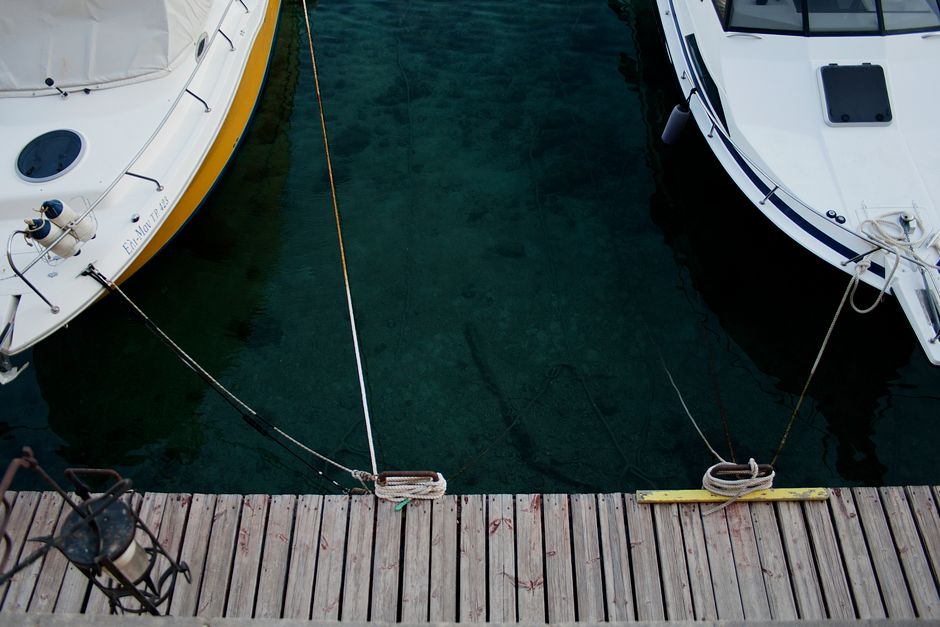
Typical hours: the grotto is usually open from 09:00 to 17:00 (summer hours, April–October). In low season (November–March), access is very irregular and often closed. Important: entry depends entirely on sea state and swell; in strong wind or rough seas, the grotto is closed for safety reasons. Indicative prices and fees (subject to change):
- Entrance fee to the Grotta Azzurra: about €15 per person.
- Shared shuttle from Marina Grande: about €18–€22 per person for a short roundtrip.
- Private boat (gozzo): €60–€120 per hour, depending on season and boat size.
- Rowboat to enter the grotto: the transfer in a rowboat is included in the entry fee, but tipping the rower (€2–€5) is customary.
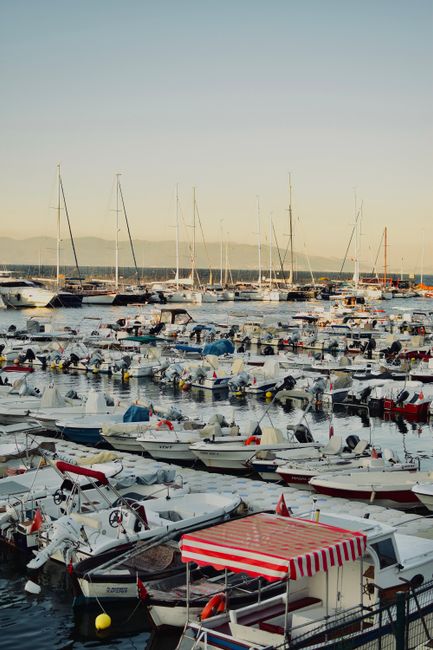
Practical tips: arrive early (between 09:00 and 10:00) to avoid the crowds and improve your chances of getting in if the sea picks up later in the day. If you’re on a private boat, agree on the price in advance and confirm waiting conditions (some skippers will wait while you visit). Bring a light waterproof jacket — the sea breeze often sprays droplets at the entrance and in the boat. Finally, check prices and availability locally at the Capri tourist office (Ufficio Turistico, Piazza Umberto I, 80073 Capri NA) or ask your hotel, which can usually book an excursion for you.
Inside the grotto: the experience, photography and respectful behavior
The interior visit is short — usually 5 to 10 minutes per boat — but intensely memorable. The rowboat, often paddled by a local, lies back to slip through the low opening; once inside you find a calm water chamber where the light returns phosphorescent blue reflections. The walls glisten and the sense of being in a submerged cave is heightened by echoes and dimness. The luminous effect is most impressive when the sun is high, between 11:00 and 15:00, though it always depends on sky conditions and water clarity.
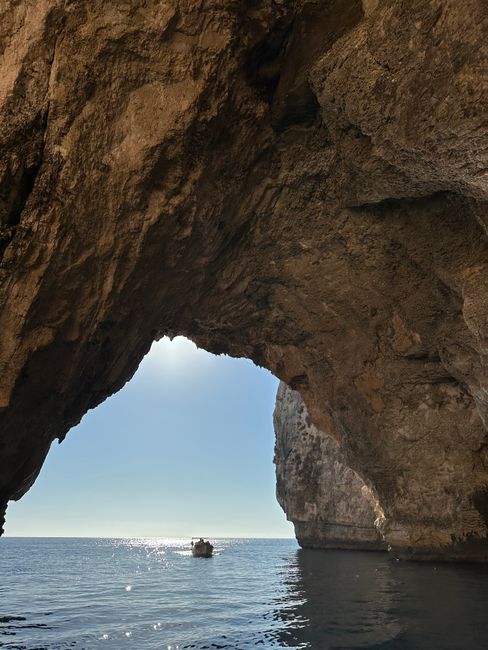
Photographing the interior is tricky: low light, reflections and boat movement. Technical tips: use a high ISO (800–1600) if your camera allows, favor a wide aperture (f/2.8–f/4) and stabilize the camera against the boat’s hull. Newer smartphones with night mode often do surprisingly well; avoid using flash as it ruins the atmosphere and can dazzle other visitors. Respect and conduct: keep quiet, don’t touch the walls, and never throw anything into the water. The rowers know the routine and the allotted time — follow their instructions carefully.
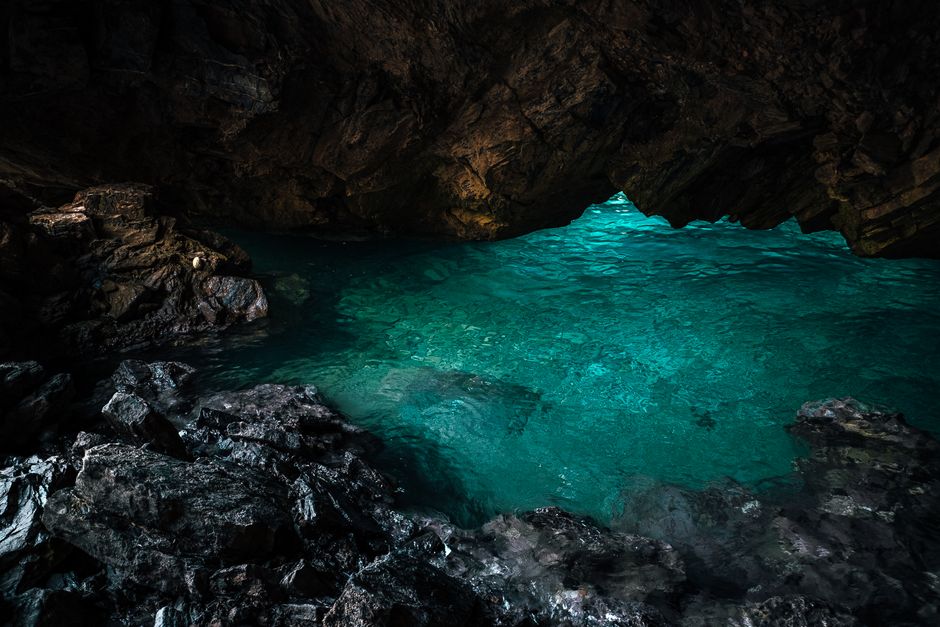
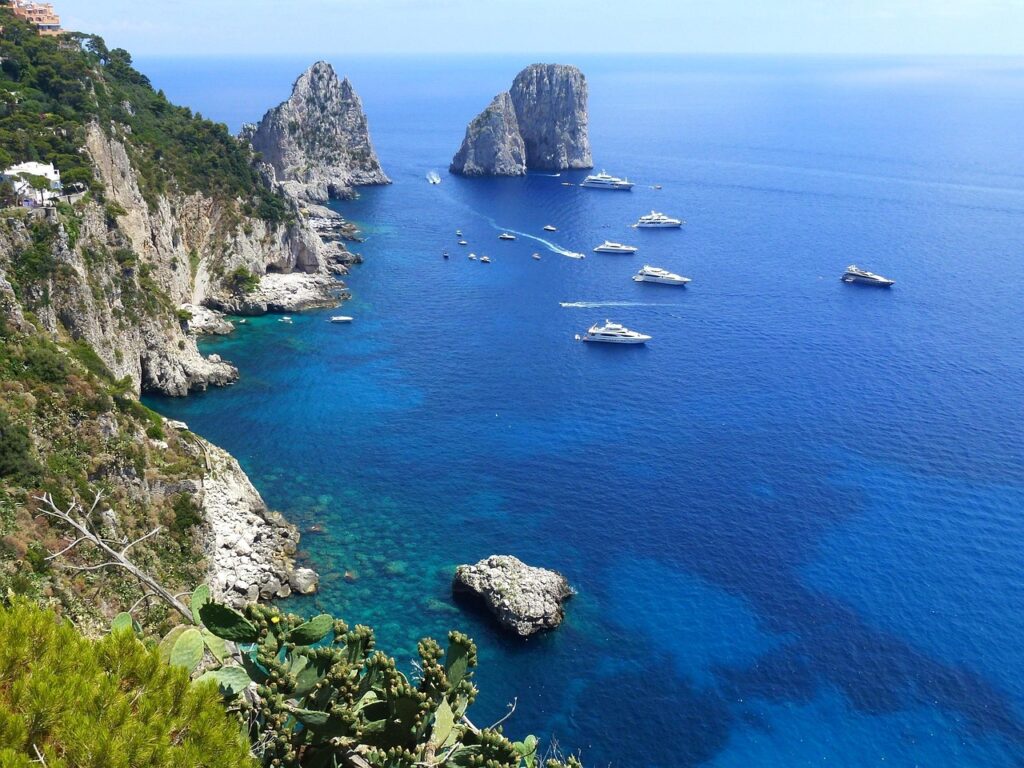
If the grotto is closed for safety, don’t be discouraged: Capri has equally memorable alternatives. Explore the Grotta Verde (Green Grotto) on the east coast, visit the Faraglioni rock stacks, or take a boat tour around the southern cliffs to see Punta Carena and its lighthouses. You can also pair a grotto visit with a stop at the Belvedere di Tragara (Via Tragara, 80073 Capri NA) for panoramic views, or enjoy lunch at Ristorante Da Paolino (Via Palazzo a Mare, 29, 80073 Capri NA) amid its lemon-tree garden for classic Caprese cuisine.
Marine secrets, local ecology and responsible behavior
The ethereal beauty of the Grotta Azzurra depends on a fragile marine environment. The clear water and underwater life around the island are vulnerable to pollution, boat fuel and overtourism. Marine biologists working in the Gulf of Naples stress the need to limit combustion-engine use near karst cavities and reefs. In Capri, local initiatives aim to protect these areas through navigation rules, speed limits and public awareness campaigns.
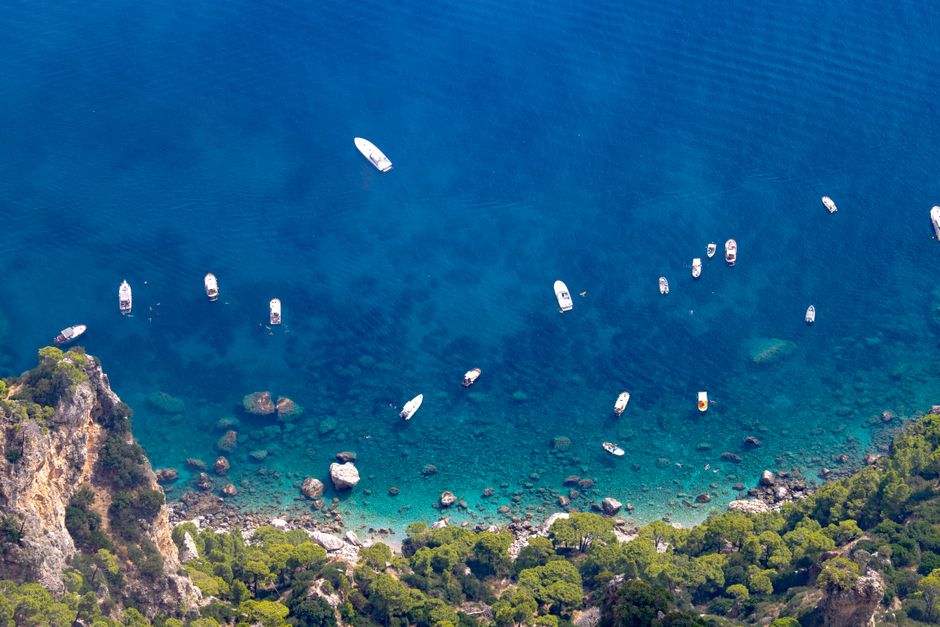
Naturalist observations: from the surface you may spot schools of sardines, groupers and occasionally octopuses hiding in crevices. Posidonia oceanica — a Mediterranean seagrass — forms underwater meadows that help maintain water clarity; these seagrass beds are bio-indicators of ecological quality. Respect diving zones and do not attempt to dive into the Grotta Azzurra — it is prohibited for safety and conservation reasons.
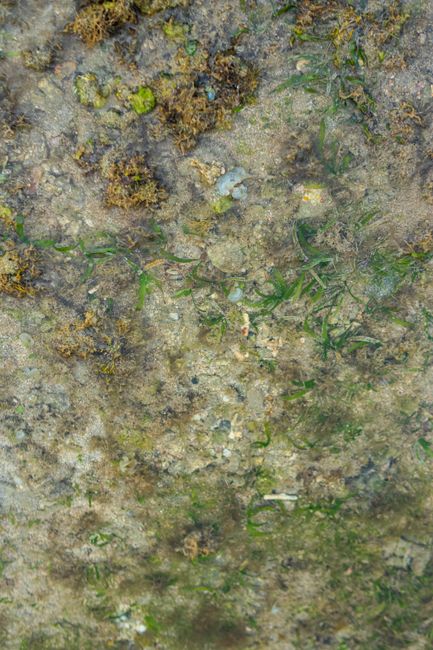
Responsible actions to take: choose operators who use low-emission boats, avoid single-use plastics on your sea outings, follow the rowers’ instructions and report any pollution you see to local authorities. If you want to do more, look into coordinated beach clean-ups organized by Capri associations or the Marevivo network. That way your visit will be memorable and sustainable, helping preserve this unique marine landscape for future generations.
Conclusion — Preparing your visit and extending the Caprese experience
Visiting Capri’s Grotta Azzurra is stepping into a small marine sanctuary where light and water combine to create an extraordinary natural show. Preparation is key: know the departure points (notably Piazza Marina Grande, 80073 Capri NA, Italy), check typical opening hours (often 09:00–17:00 in high season), budget for costs (entrance ≈ €15, shuttle ≈ €18–€22 or private hire ≈ €60–€120) and accept that weather can change plans at any time. Arrive early, pick a reputable operator, follow the rules and bring suitable photo gear to maximize your enjoyment.
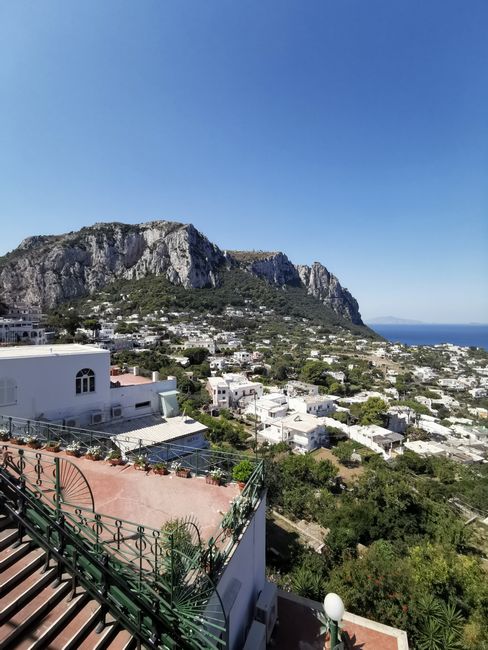
Beyond the grotto, take time to explore the island: wander around Piazza Umberto I (also known as La Piazzetta), hike to Belvedere di Tragara, visit the historic center of Anacapri and savor local dishes — fresh mozzarella, insalata caprese and artisanal limoncello. If the Grotta Azzurra is closed, don’t see it as a loss: the cliffs, beaches and other caves offer equally rich experiences. Finally, adopt environmentally respectful behavior so this legendary place stays intact. The Grotta Azzurra isn’t just a snapshot to capture — it’s an experience to be lived slowly, honoring its history and the sea that protects it.