Introduction: Why the Gardens of Augustus are a must-visit for photographers in Capri
The Gardens of Augustus (Italian: Giardini di Augusto), perched above the town of Capri, pack a string of iconic images into a small space: the Faraglioni jutting from the horizon, the perfect curve of Marina Piccola bay, flowered terraces and shifting viewpoints at every step. For hobbyists and pros alike, these gardens are an exceptional playground where dramatic geology meets carefully tended greenery and snippets of Caprese history. In this in-depth guide I’ll walk you through the best photo spots inside and around the Gardens of Augustus, plus practical info — exact addresses, entrance fees in euros, opening hours, technical tips and local tricks — so a simple stroll turns into a memorable photo series.
Capri is small but crowded, so planning your visit to the Gardens of Augustus will increase your chances of shooting without the masses and in the best light. The terraced viewing platforms, stacked like natural stages, create ready-made compositions: close-ups of Mediterranean flora, wide frames including the Faraglioni and the Tyrrhenian Sea, and architectural details — wrought-iron railings, colorful benches, commemorative plaques — that punctuate the walk. These elements let you alternate between wide-angle landscapes, environmental portraits and tight texture shots (leaves, rocks, mosaics).
This guide goes beyond a simple list of locations: it explains why each viewpoint works, which focal lengths to favor, when to position yourself, and how to include people without spoiling the composition. You’ll also find exact addresses — useful if you’re following GPS or a paper map — plus entrance prices and opening hours. Finally, I’ll share local tips: back paths, etiquette for a protected site, and alternatives to dodge crowds when tourist flows peak.
Before we start the virtual tour, note this: the Gardens of Augustus are an easy walk from the famous Piazzetta (Piazza Umberto I). The main entrance sits on Via Matteotti and leads to several terraces. The view is free for the eyes, but garden upkeep is managed by the municipality and funded in part by a modest admission fee to preserve the grounds. For best photographic results, bring at least a wide-angle (24–35mm), a moderate telephoto (70–200mm) to isolate the Faraglioni, and a small lightweight tripod for soft light or sunset shots. Now, let’s dive into the must-shoot spots and how to make the most of each.
Practical info & access: address, fees, opening times and rules to know
Exact address: Giardini di Augusto, Via Matteotti, 1, 80073 Capri NA, Italy. This entrance is the one most visitors use when coming from the Piazzetta (Piazza Umberto I) or Via Krupp. The gardens are just minutes on foot from the main square, making them a natural stop in a loop around the town.
Fees (approximate and subject to change; check on site before your visit): Admission: €3.00 (adult). Reduced rates may apply: children/students/seniors €1.50 (with proof), and free for children under 6. These charges help maintain paths, lawns and protected plantings. Prices can vary by season or special events—sometimes there’s a combined ticket covering other paid attractions on the island, so ask at the tourist information point in the Piazzetta.
Opening hours (commonly observed): April to October: 09:00 – 19:00. November to March: 09:00 – 17:00. Hours may change on busy days or for maintenance work. The gardens are usually closed very early in the morning (before 09:00) and at dusk; if you want to shoot at first light, plan your route and check for alternative viewpoints from Via Krupp or the Tragara belvedere.
Important rules: respect barriers and don’t move signage. The gardens contain floral beds and protected species; picking plants is strictly forbidden. The site is partially accessible to visitors with reduced mobility, but some terraces are connected by stairs — ask on site about alternate routes. Drones are sometimes banned or require permission: if you plan to fly, contact the Capri town hall or local authorities for approvals.
Practical tips: bring a water bottle (shops are nearby), protect your gear from salt and wind (the sea is close and marine air can slowly corrode metal parts), and carry a light bag to swap lenses quickly. In high season (June–August), arrive early (at opening) or wait until late afternoon to avoid crowds and enjoy warmer, softer light.
Must-see photo spots inside the Gardens of Augustus (terraces and viewpoints)
The Gardens of Augustus are arranged as a series of terraces, each offering a different composition. Here are the spots you can’t miss, with technical pointers and framing tips:
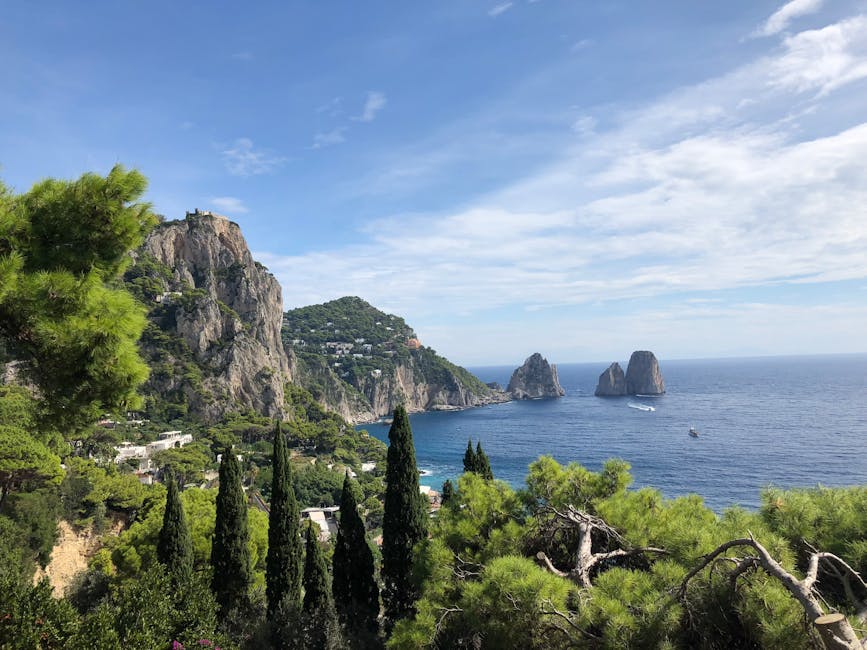
1) Main terrace facing the Faraglioni (Belvedere Faraglioni)
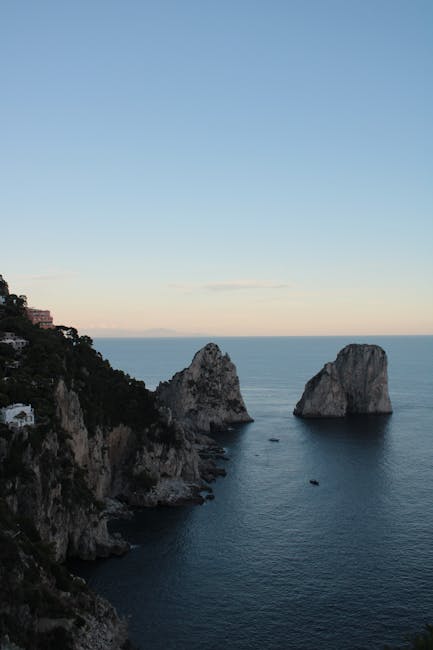
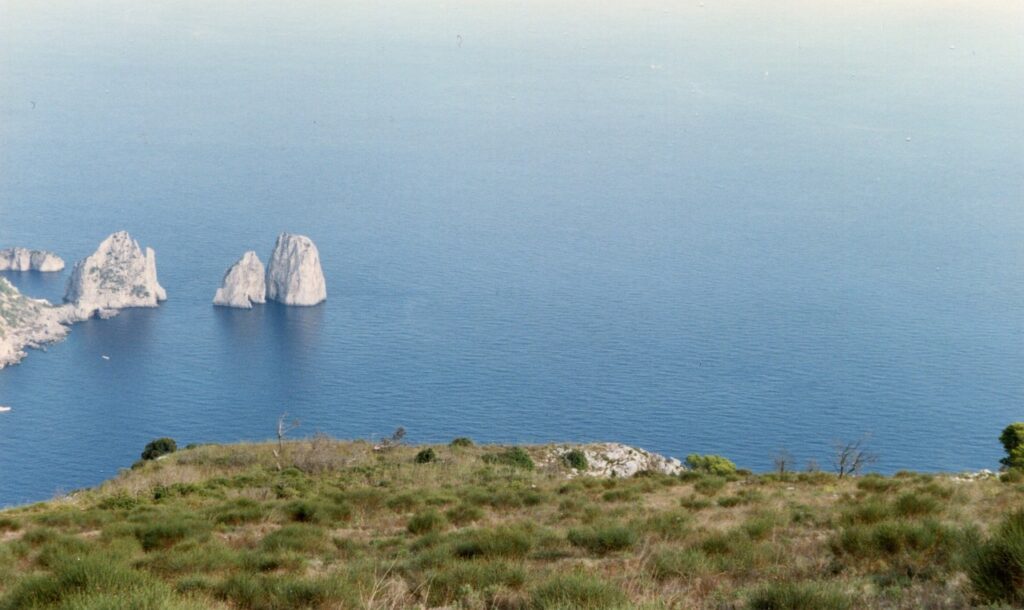
Description: This is the most famous viewpoint. From the main terrace you get an unobstructed frontal view of the three Faraglioni — huge limestone monoliths rising from the Tyrrhenian Sea. The deep blue sea against the ochre-gray rocks gives a powerful color palette for dramatic shots.
Photo tips: prioritize a wide-angle to capture the whole scene (24mm on full-frame) or a telephoto (70–200mm) to isolate one of the stacks. Another option is to shoot a horizontal panorama with multiple frames to emphasize the sea’s breadth. In the morning, the light often hits the eastern faces of the Faraglioni; at sunset, work with backlight and silhouettes.
Best time: sunrise for golden hues, or late afternoon for stronger shadows.
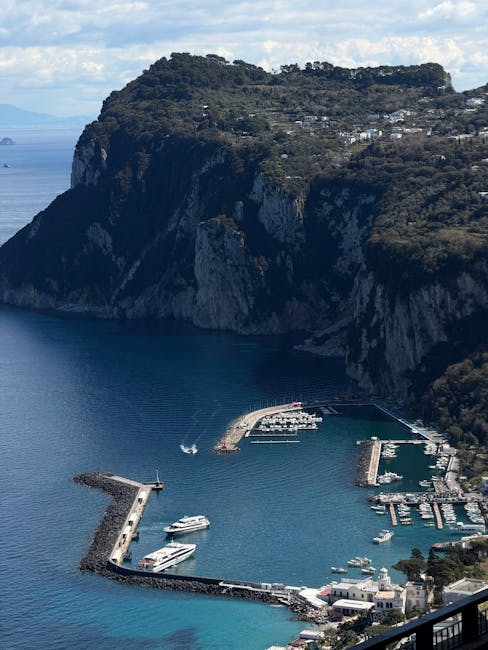
2) Terrace overlooking Marina Piccola
Description: This platform drops down onto Marina Piccola, a crescent-shaped bay with small beaches, rocky outcrops accessible in summer and yachts bobbing in the water. The coastline’s curves create a pleasing S-shape perfect for the rule of thirds.
Photo tips: use a 35–50mm lens for a natural look, include boats as scale subjects and find foregrounds (flowers, rocks) to anchor the composition. Late morning or late afternoon light will help avoid harsh highlights on white boats.
Accessibility: a few stairways descend to paths leading to Punta Tragara and Marina Piccola; watch for elevation changes if you’re carrying gear.
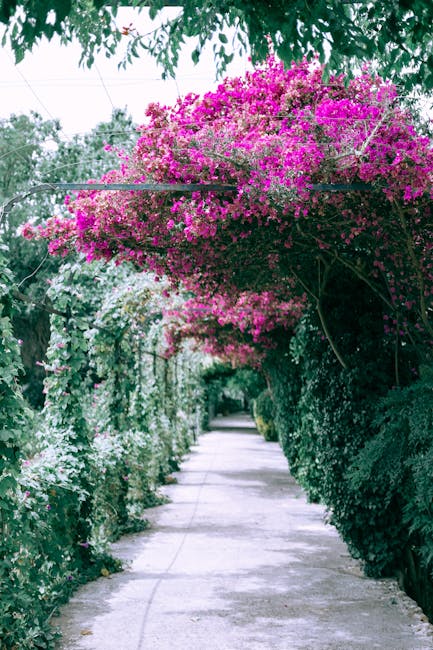
3) Flower-lined paths and leafy frames
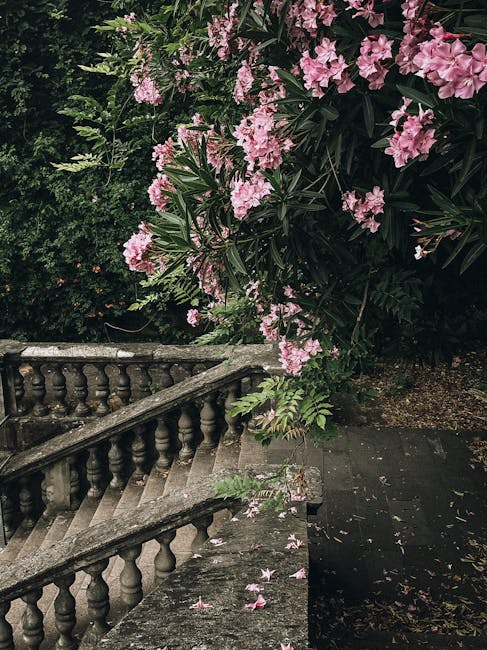
Description: The garden paths are dotted with bougainvillea, agaves, laurels and other Mediterranean plants. These elements make natural frames for portraits and macro details (textures, blooms, insects). Bright blossoms contrast nicely with the mineral tones of walls and steps.
Photo tips: for portraits, position your subject about 1.5–2 m from the plant beds and use a 50mm or 85mm for creamy background blur. For close-ups, a macro lens or a short focal length with close focus will highlight textures and dew drops. Look for curving paths to lead the eye through the image.
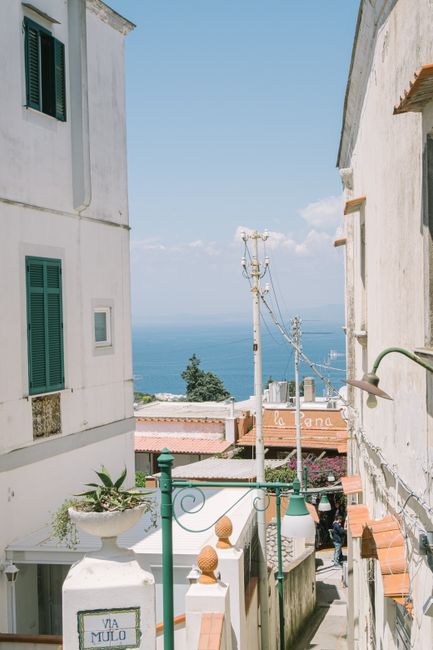
4) Lateral viewpoints and architectural perspectives
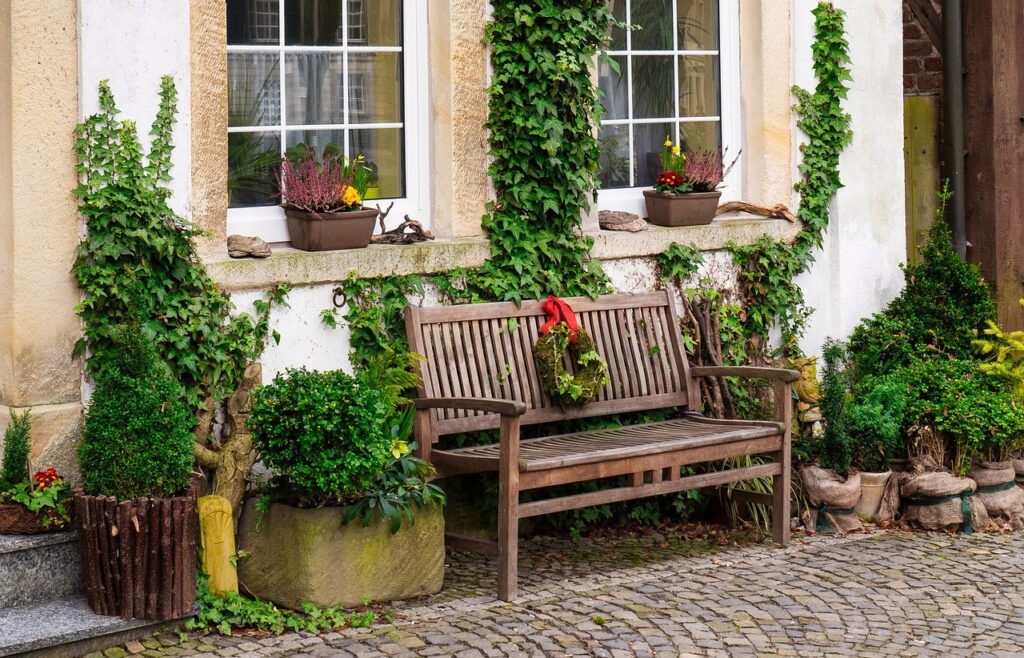
Description: Beyond the big terraces, several tucked-away spots offer interesting side views: small arches, wrought-iron plaques, old benches and historic signboards. These features lend themselves to more graphic, narrative compositions that hint at daily life and local history.
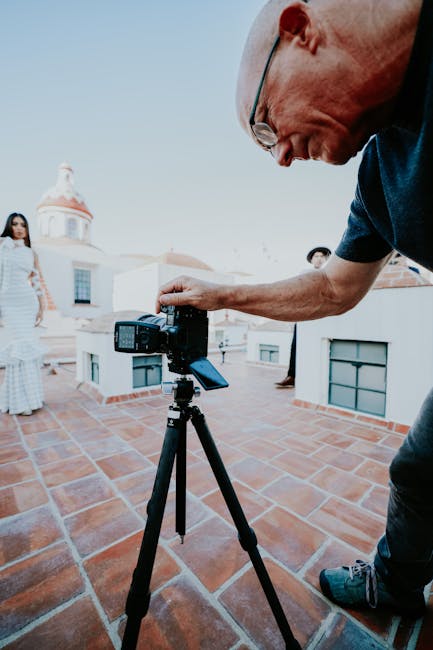
Photo tips: favor mid-range focal lengths (35–85mm) to capture the relationship between architecture and landscape. Seek out portraits of locals (with permission) to humanize your shots — a fisherman, an artisan or a street vendor near the steps can add context.
Photography techniques, ideal timing, weather and local tips to get the best shots
A successful shoot at the Gardens of Augustus depends as much on gear as on your read of the light, weather and tourist flows. Here are practical technical recommendations and local tricks that make a real difference.
Best time: sunrise and late afternoon (the golden hours) are prime. At dawn you’ll often find the belvedere nearly empty and the low light sculpts the Faraglioni and coastal reliefs. Sunset is dramatic but busier; still, warm tones and sea reflections make for spectacular images. Between 11:00 and 15:00 the light is harsh: avoid unplanned backlighting, or exploit it for high-energy, high-contrast shots.
Weather: the clearest shooting days are bright with little haze, common in May, June and September. Windy days emphasize waves and spray, which can energize an image — but watch out for salt. A touch of morning mist can lend a soft atmosphere around the Faraglioni, especially in spring.
Gear: wide-angle (16–35 or 24–70mm), telephoto (70–200mm) to isolate the Faraglioni, fast 50mm or 85mm for portraits, a lightweight tripod for long exposures (especially at sunset), ND filters to smooth the sea, and a polarizer to deepen sky and sea colors while cutting reflections. Bring a microfiber cloth and silica gel packets to protect electronics from salt. An extra battery and spare memory cards are essential in high season.
Recommended settings: for landscapes aim for f/8–f/11 for maximum sharpness; ISO 100–200; shutter speed adjusted to light (1/125 to freeze waves, slower to smooth them). For portraits open up to f/1.8–f/2.8 for pleasing bokeh.
Local tips:
- Avoiding the crowd: arrive at opening time (09:00) for shots without visitors, or plan to shoot in the final hour before closing when most tour groups have left.
- Creative angles: hunt for diagonal lines and foreground elements (flowers, rails) to add depth.
- Including people: always ask permission before photographing individuals. Local guides and many vendors are often happy to be included.
- Respect nature: don’t step on flowerbeds or climb walls for a better angle — cameras and bodies get damaged easily in a fall.
- Scouting: do a quick recce on arrival to note your favorite frames, then return when the light is best.
Complementary walks around the Gardens of Augustus: Via Krupp, Punta Tragara, Marina Piccola and Villa San Michele
The Gardens of Augustus are a perfect starting point to explore other photogenic spots nearby. Here are nearby places, with addresses, fees and shooting tips:
Via Krupp
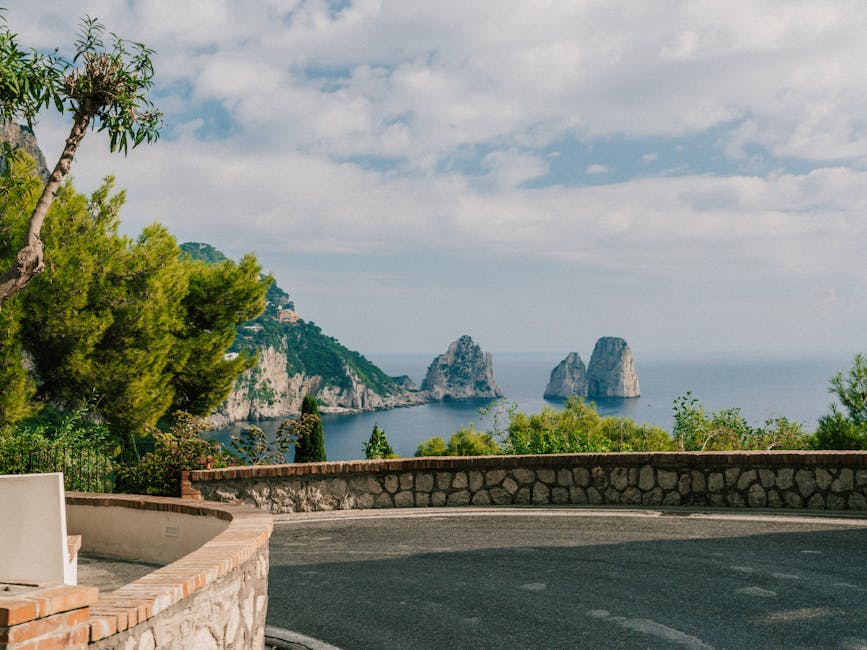
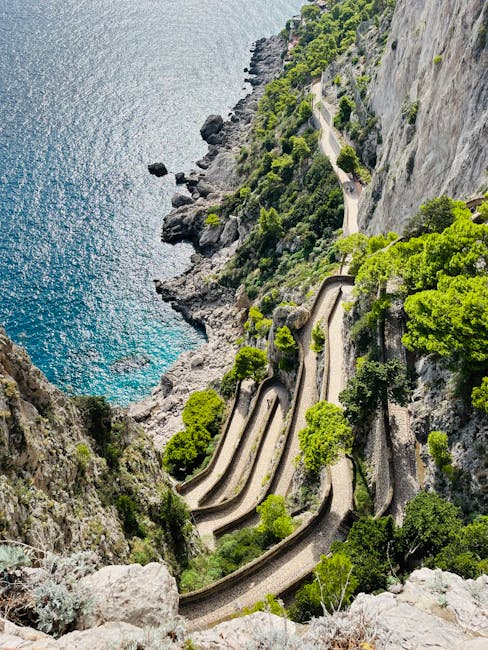
Address: Via Krupp, 80073 Capri NA, Italy. Description: Via Krupp is a famous switchback road — an early 20th-century engineering marvel — that winds down the cliff to the coast. The geometric curves snaking along the cliff face make an excellent subject for graphic photos. Note: Via Krupp is sometimes closed for safety reasons (landslides), so check ahead.
Tips: for a graphic look, use a mid-long focal length and shoot from above (from the Gardens of Augustus terrace or a belvedere). The road’s lines will lead the eye toward the sea and the Faraglioni.
Punta Tragara (Belvedere Tragara)
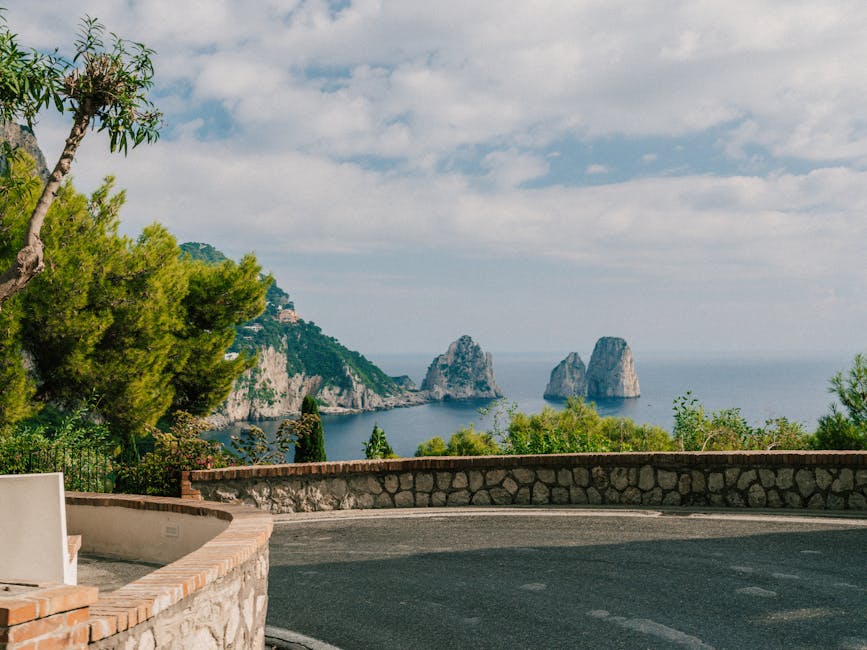
Address: Punta Tragara, 80073 Capri NA, Italy. Description: This promontory offers a lateral, often less crowded view of the Faraglioni. The small park around the belvedere has steps and rocks that make excellent foregrounds.
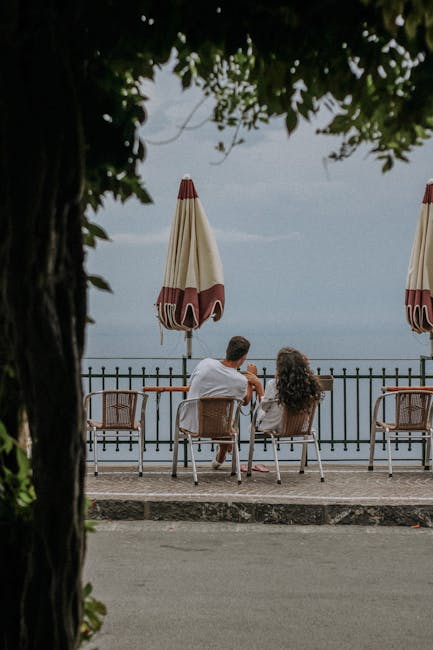
Tips: late afternoon is ideal for portraits in the warm light. Rock formations and benches invite storytelling compositions — a couple watching the sea, a child playing by a low wall, etc.
Marina Piccola
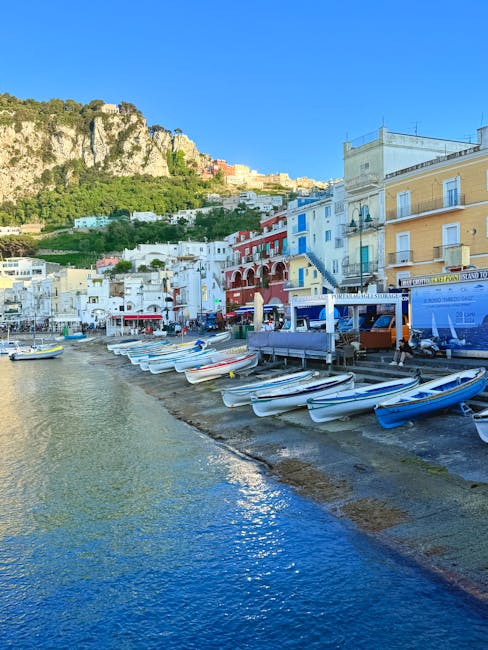
Address: Marina Piccola, 80073 Capri NA, Italy. Description: A small sheltered beach on the island’s southern slope. Great for capturing traditional beach life and the contrast between modern yachts and rocky coastlines.
Tips: before golden hour, anchored boats make calm, composed frames. In summer the beach buzzes with activity: use colorful umbrellas and craft boats to create classic Italian holiday scenes.
Villa San Michele (Anacapri)
Address: Villa San Michele, Via Axel Munthe, 34, 80071 Anacapri NA, Italy. Fees: around €8.00 (adult), reductions for students and seniors (approx. €5.00); check at the ticket desk. Opening hours: typically 09:00 – 18:00 (seasonal variations possible). Description: Although located in Anacapri, Villa San Michele is worth the detour for its garden and views over the bay. Mosaics, sculptures and terraces provide different framing opportunities than the Gardens of Augustus.
Tips: pair a morning at Villa San Michele with an afternoon at the Gardens of Augustus to vary moods: intimate, historic shots on one hand and sweeping maritime panoramas on the other.
Conclusion: Summary of the best times and final tips for unforgettable photos
The Gardens of Augustus are the perfect distillation of Capri’s most photogenic qualities: stunning sea panoramas, colorful plantings, picturesque architecture and viewpoints that tell the island’s story. To get great images, combine preparation and improvisation: arrive early to scout your frames, come back during golden hours for the best light, and vary focal lengths to build a coherent, complementary set of images. The four main spots — the terrace facing the Faraglioni, the Marina Piccola platform, the flower-lined paths and the architectural viewpoints — form the backbone of a successful photo essay. Adding nearby spots like Via Krupp, Punta Tragara and Villa San Michele will enrich your visual narrative by showing different sides of Capri.
Don’t forget practicalities: access via Via Matteotti, 1, 80073 Capri NA (Giardini di Augusto), admission is around €3.00 for adults and opening hours vary by season (generally 09:00–19:00 in high season). Protect your kit from salt and wind, respect protected zones and local rules (especially drone use), and be considerate when including locals in your photos.
One last piece of advice: multiply your viewpoints and don’t stick only to the obvious shots. The Gardens of Augustus hide micro-landscapes — a hand on a railing, a cast shadow, a salt drop on a leaf — that, taken together, will build an authentic visual story of your time in Capri. Whether you’re after grand panoramas or intimate moments, stay curious: the best shot is often the one you didn’t expect.