Introduction — Why hunt for Capri’s secret coves?
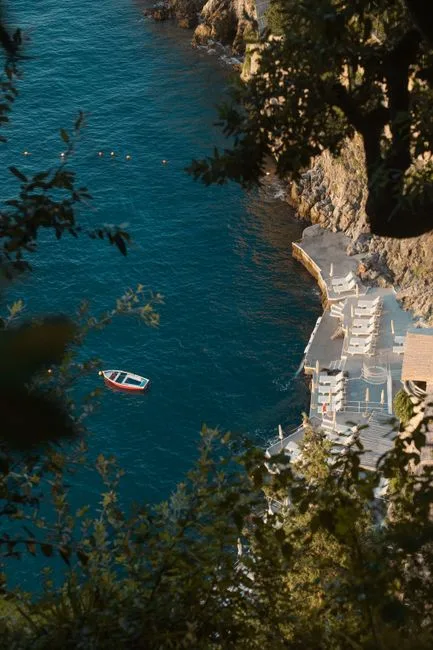
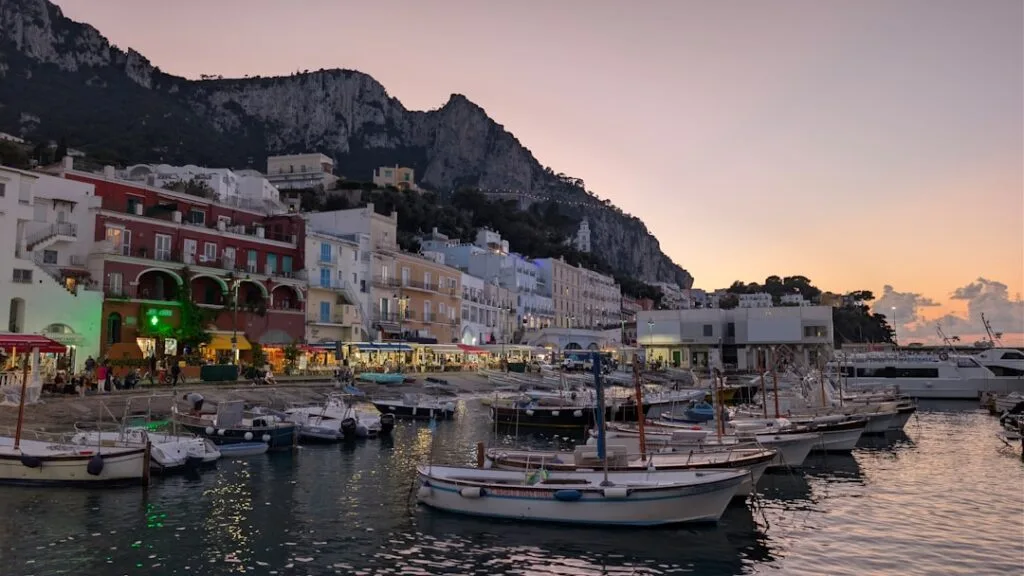
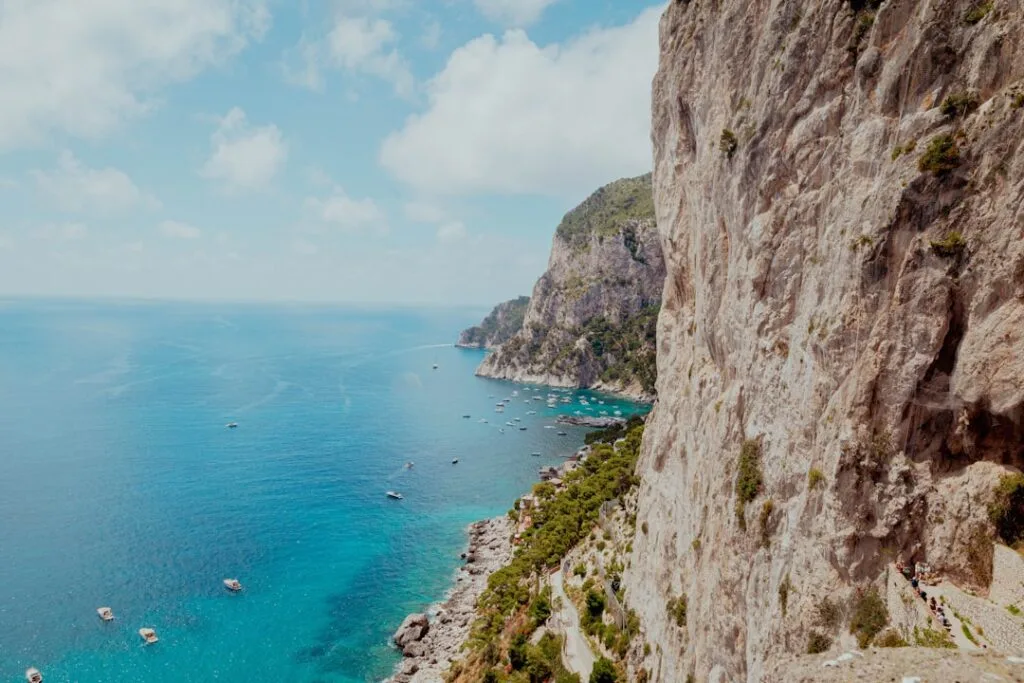
Capri is often celebrated for its iconic views, imperial villas and the famous Piazzetta. Yet, tucked away from the tourist crowds and the usual routes, the island hides a string of coves and small bays that offer an intimate, wild and unmistakably Mediterranean experience. Some of these spots are only reachable by sea or along rocky trails, revealing a different Capri: turquoise waters, wind-sculpted cliffs, pebble beaches, sea caves and vantage points where you can listen to the gentle lap of the waves in peace.
This guide will take you off the beaten path to discover seven secret coves around Capri — each one presented with practical details: the full place name, the most precise address I can give, typical transport or access costs (in euros), usual opening times, an immersive description and local tips to reach them safely. A few of these spots don’t have an official municipal address since they’re tiny coastal inlets. Where that’s the case I provide the nearest landmark (port, road or reference point) and clear directions on how to get there.
Getting to these coves sometimes requires a bit of planning: renting a boat, booking a private tour, or taking a steep trail from Anacapri. Prices vary with the season — high season (June to September) is the most expensive — and whether you choose a shared shuttle, a private boat or a hike. Access times also depend on sea conditions: water taxis and boat services operate according to safety conditions. I’ve included typical time windows (morning/evening) and price ranges so you can plan with confidence.
Finally, this guide is more than a simple list: each section focuses on an immersive experience so you can picture the light on the water, the cool scent of the macchia, the aroma of basil and maritime pine, and the feel of pebbles underfoot. Whether you’re into snorkeling, hunting for the perfect photo, seeking privacy as a couple or craving rugged coastal hikes, these secret coves promise memorable encounters with the Tyrrhenian Sea.
1. Marina Piccola — The midday sun cove (Marina Piccola, Via Marina Piccola, 80073 Capri NA, Italy)
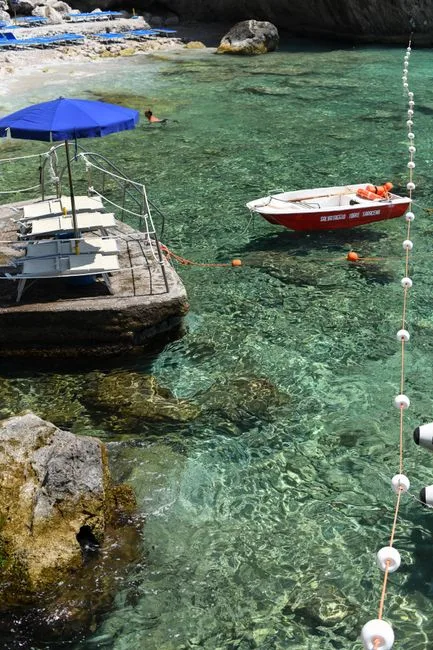
Marina Piccola is often showcased as one of Capri’s more romantic and less crowded faces, located on the island’s south coast just below the famous Via Tragara. Official address for reference: Via Marina Piccola, 80073 Capri NA, Italy — near the Belvedere di Tragara. While Marina Piccola is well known, it conceals quieter inlets as you head eastward toward the Faraglioni, where pebble beaches and rocky points are tucked away from most tourists.
Access: several options — walk down from the Piazzetta (allow 20–30 minutes, paved paths and steps), or take the scenic bus route to the Marina Piccola stop and walk a few minutes. You can also arrive by sea: water taxis land directly at the small beach. Typical local bus fares: €1.50–€2.00 per trip (single ticket). Water taxis from Marina Grande: €15–€30 depending on the season and number of passengers (10–15 minute ride).
Hours: the cove is accessible all day, but the best times are early morning (07:00–10:00) to avoid crowds, or late afternoon (16:00–19:00) for soft, photo-friendly light. Beach clubs and sunbed services (lidos) generally open from 09:00 to around 19:30 in high season.
Costs: public beach access = free. Renting a sunbed and umbrella at a lido (e.g. Lido del Faro or Chez Gelsomina) typically costs €15–€40 per person per day depending on location and services. Kayak and paddleboard rentals from Marina Piccola: €20–€45 / hour depending on the operator.
Immersive description: the small gulf is sheltered from northern winds and the water often appears a deep blue, punctuated by small caves and rocky recesses. Move rightwards toward the Faraglioni and you’ll find natural ledges where locals sunbathe and dive into remarkably clear water. Low macchia vegetation, figs and caper bushes scent the air. Offshore the Faraglioni’s sculptural silhouette makes for perfect golden-hour photos.
Local tips: bring water shoes to walk on pebbles and avoid scrapes. If you plan to swim out toward the Faraglioni, go with a small group and a local guide or rent a boat for safety. Midday heat can be intense: bring water, a hat and water-resistant sunscreen.
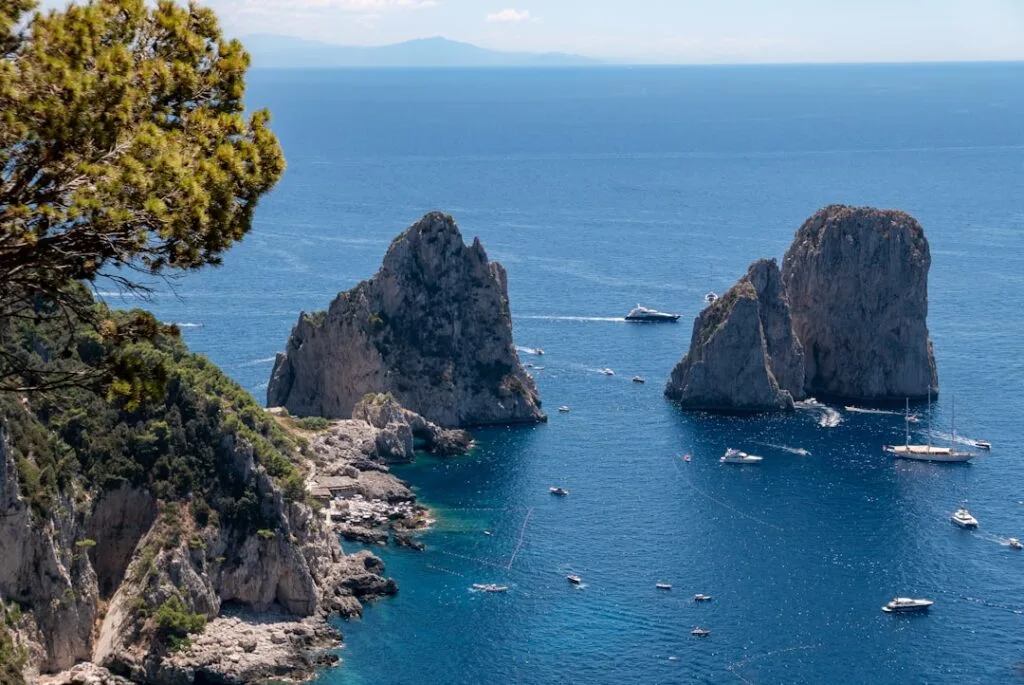
2. Grotta del Corallo and the tiny inlets nearby (Grotta del Corallo, south coast of Capri, Near Punta Tragara, 80073 Capri NA, Italy)
The Grotta del Corallo (Corallo Cave) is a small sea cavity on the southeast coast, not far from Punta Tragara and the Faraglioni. Reference address: Punta Tragara, 80073 Capri NA, Italy — the cave has no postal address but is visible from the sea and coastal trails. It’s a great spot for snorkeling and for those after a wilder feel than the major tourist hubs.
Access: mainly by boat or kayak. Private boat trips from Marina Grande take about 15–25 minutes depending on conditions. Local operators offer half-day or full-day tours: indicative prices €60–€150 per person for group excursions (depending on boat type and itinerary). If you’re confident in a kayak, you can paddle from Marina Piccola or Anacapri along the south coast to reach the cave — roughly 30–60 minutes.
Hours: accessible all day when the sea is calm; maritime operators typically run between 09:00 and 18:00 in high season. Private tours often depart early morning to avoid boat traffic.
Costs: entry to the cave itself is free, but transport costs apply. Kayak rental: €30–€60 / half-day. Shared boat excursions (groups up to ~15 people): about €40–€80 per person. Private boat hire (2–6 people): €150–€450 depending on duration and boat type (RIB vs traditional wooden boat).
Immersive description: the cave isn’t very deep, but the water frequently takes on emerald and turquoise hues, especially when the sun is high. On the rock walls at the entrance you can sometimes spot marine deposits and small patches of red coral — hence the name. Paddle gently and you’ll hear the faint echo of waves and see schools of fish weaving through shadows. The limestone rock is smoothed by centuries of sea action and offers small ledges where you can pause to observe underwater life.
Local tips: don’t fly a drone here without permission — overflight of certain areas is regulated. For snorkeling, a mask and snorkel are enough, but water shoes help you navigate rocky areas safely. Prefer guided outings with someone who knows the submerged rocks and local currents.
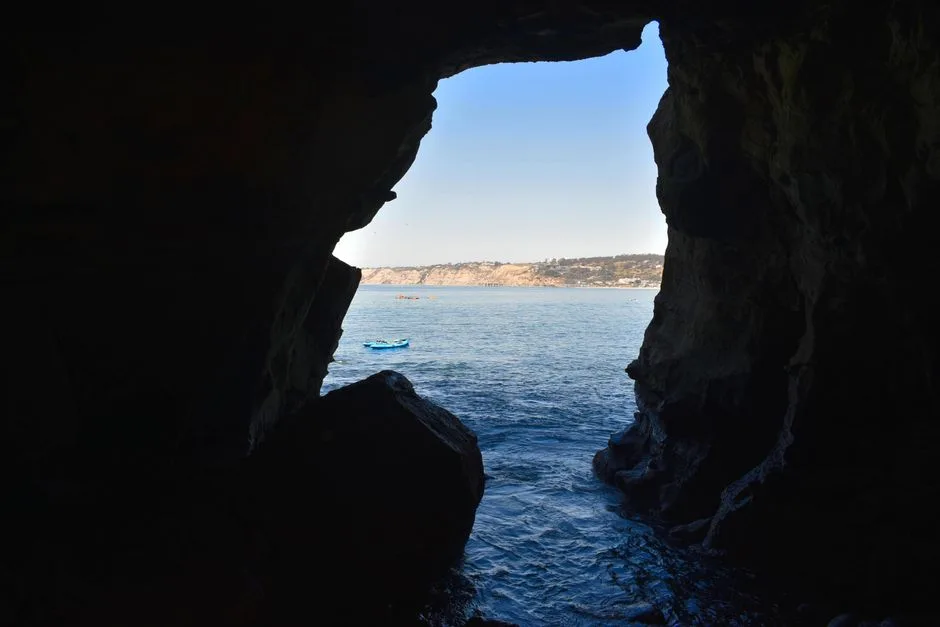
3. Cala di Mitigliano — The fishermen’s cove (Cala di Mitigliano, eastern shore near Punta Carena, 80073 Anacapri NA, Italy)
Cala di Mitigliano is a little-visited cove on the island’s western side, in the commune of Anacapri, close to the Punta Carena lighthouse. Landmark: Punta Carena Lighthouse, Strada Provinciale 227, 80071 Anacapri NA, Italy — the cala sits below the coastal road, reached via a steep path and carved stone steps.
Access: by sea (boat rental or water taxi from Marina Grande) or on foot via a trail from Punta Carena (allow 20–40 minutes downhill; rough terrain). Water taxis from Marina Grande to Punta Carena or Cala Mitigliano: €30–€60 depending on negotiation and weather. Hikers should wear sturdy shoes and start early to avoid the heat. The trail isn’t always well marked and can be slippery after rain.
Hours: open all day. The Punta Carena area is especially photogenic late in the afternoon at sunset; however, the descent can be hazardous in the dark, so plan to return before dusk. The beach is small and often occupied by a few local fishermen in the morning.
Costs: free access. If you’d rather use a guide or a private boat transfer, budget €40–€120 depending on departure point and season.
Immersive description: Cala di Mitigliano retains an authentic atmosphere: traditional fishing boats pulled up on shore, nets drying in the sun and Anacapri families coming to fish for sea bream. The sand mixes with pebbles and the water turns deep blue within a few meters. Surrounding cliffs host small natural terraces with strawberry trees and mastic shrubs, giving the air a distinctive color and scent. Nearby, the white structures of Punta Carena lighthouse stand out dramatically on the horizon — particularly striking at sunset.
Local tips: bring dry bags to protect belongings — there are no facilities. If you plan to fish, respect local catch limits and take your rubbish with you. Swimming is pleasant but watch for currents near the rocks. Shade is scarce; a lightweight beach umbrella is recommended.
4. Marina della Lobra — The hidden medieval inlet (Marina della Lobra, Via Provinciale Marina di Crapolla, 80073 Anacapri NA, Italy)
Marina della Lobra is a small cove on the southwest coast known for its old-world charm. It sits at the end of a historical trail winding through olive groves and the remnants of terraced cultivation. Address: Via Provinciale Marina di Crapolla, 80073 Anacapri NA, Italy — the marina is close to the hamlet of Crapolla and the hiking path called Sentiero dei Fortini.
Access: reached on foot via a well-known hiking route — the Sentiero dei Fortini — starting from Anacapri and descending to the coast (count on 45–75 minutes depending on pace). The other option is by boat from Marina Grande or Capri: water taxis or small excursions cost €30–€70 depending on the season. The trail is wild in places with old stone steps; hiking shoes are useful.
Hours: the cove is accessible all day, but the trail may be closed occasionally for safety or maintenance (check with the local tourist office). In summer the best visiting hours are early morning (07:30–10:30) or late afternoon to enjoy cooler temperatures and more flattering light for photography.
Costs: the beach and trail are free. If you take a boat transfer, budget €35–€80 depending on route and whether it’s private. Guided hikes along the Sentiero dei Fortini cost around €20–€45 per person depending on duration and group size.
Immersive description: this place feels steeped in history — abandoned terraces, dry stone walls and small structures that once sheltered sailors and shepherds. The cove is sheltered, with deep blue water ideal for snorkeling near the rocks where Mediterranean species hide. Rounded, smooth rocks around the inlet are perfect for sunbathing, and the small fishing boats give the spot a timeless vibe. The scent of thyme and wild rosemary fills the air.
Local tips: check the trail conditions before setting out (possible closures). Bring water and snacks — there are no shops. For photographers, golden hour offers strong contrast between stone walls and the sea. If arriving by boat, agree on a landing spot and price in advance.
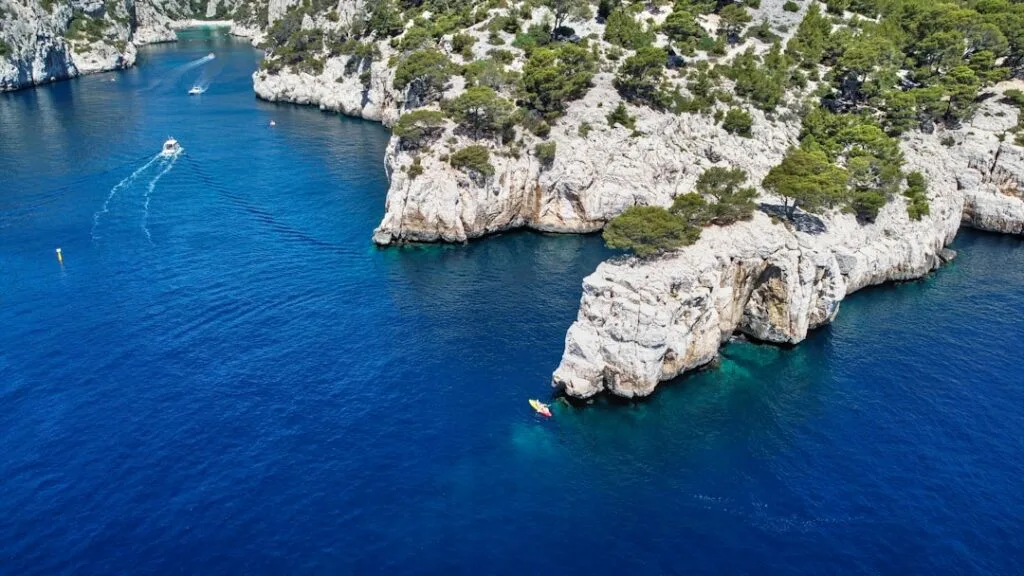
5. Cala dell’Arogno (Cala dell’Arogno, western cliffs near Punta Carena, 80071 Anacapri NA, Italy)
Cala dell’Arogno is a small rocky indentation on the western coast, often overlooked by tourist circuits. Locate the cala near Punta Carena, in the commune of Anacapri — reference address: Via Provinciale per Punta Carena, 80071 Anacapri NA, Italy. Access from the main road involves a short descent on foot and some rock scrambling, or arriving by sea.
Access: the simplest and safest way is by boat or kayak from Marina Grande or Marina Piccola (approximately €20–€40 for a small rental in low season, higher in high season). Experienced walkers can attempt the descent from the coastal road, but the ground is uneven and good shoes are essential. Water taxis drop passengers at the closest safe point (€30–€60 depending on negotiation).
Hours: accessible all day. Calm sea conditions are essential for landing from the water; avoid days with southwest winds which make access dangerous. Morning in summer is typically the calmest and best for spotting marine life.
Costs: free access on foot. Kayak rental: €30–€60 / half-day; tender or small boat hire: €100–€300 / half-day depending on size and season.
Immersive description: the cala is dominated by pale tuff cliffs and a few sea recesses that form sheltered natural pools. The water is crystal clear, perfect for snorkeling; the seabed varies between sandy patches and rocky platforms. The place still feels isolated, interrupted only by the occasional passing boat. Above the cliffs, citrus groves and olive trees spread out, their fragrances mixing with the salty sea air.
Local tips: if you swim from a boat, secure it well to a safe point (never leave a dinghy adrift). Carry a small first aid kit — some rocky areas can be sharp. Respect the quiet of the place: no loud music, no fires, no litter.
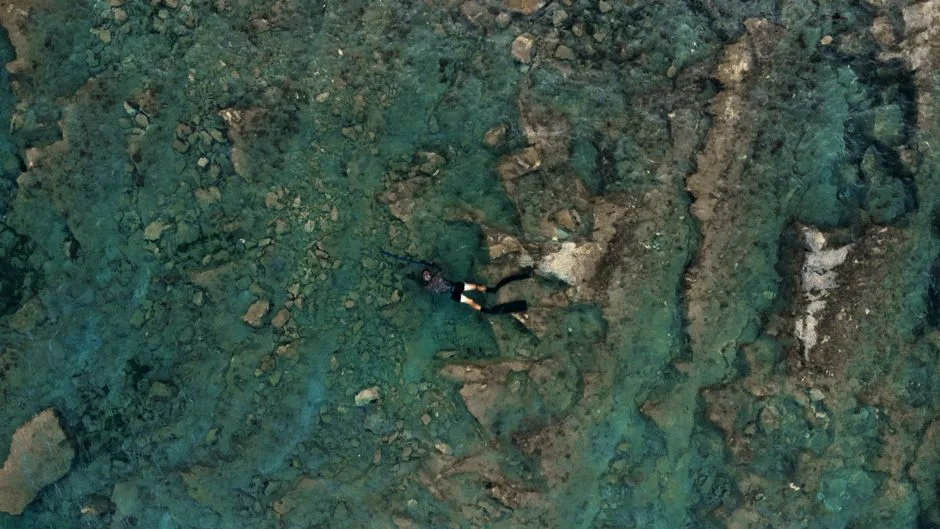
6. Cala Mesola — The secluded north cove (Cala Mesola, northern coast near Monte Solaro cliffs, 80073 Capri/Anacapri NA, Italy)
Cala Mesola sits on the north coast beneath the Monte Solaro cliffs, roughly on the border between the municipalities of Capri and Anacapri. Reference: Monte Solaro, Via Giuseppe Orlandi, 80073 Capri NA, Italy — from the summit you can spot the cove below, especially from the panoramic trail.
Access: the cala is hard to reach by land: you must descend a steep trail from Anacapri, sometimes unmarked — this is for experienced hikers. Approaching by sea is safer and more common, via boat hire or organized excursions. Kayaking from Marina Piccola or Anacapri is possible but requires good fitness (40–80 minutes depending on conditions). Water taxis: €40–€80 depending on distance and number of passengers.
Hours: accessible all day when the sea is calm. The trail down the mountain is shaded in the morning — ideal for the descent; the climb back up is easier later in the afternoon when temperatures drop. Local guides sometimes run combined sea/land hikes to explore the area safely (usually departing around 08:30–09:00).
Costs: free access to the cala. Guided combined hike + boat trips: €50–€120 per person depending on duration and inclusions. Kayak rental for a full day: €30–€70.
Immersive description: Cala Mesola is defined by a sheer cliff that falls almost vertically into the sea, creating a deep inlet with cooler, often darker blue water. Vegetation on the heights is thick and fragrant: broom, aromatic herbs and scattered pines. The contrast between the deep coastal green and intense sea blue creates a perfect palette for painters and photographers. On site, the echo of waves between rock faces gives a feeling of sheltered intimacy, far from the harbor bustle.
Local tips: don’t attempt the descent alone without a map or guide. Paths become treacherous after rain. If you kayak, be comfortable with open-sea navigation techniques and bring ample water and food. Respect marine protection rules — don’t disturb habitats.
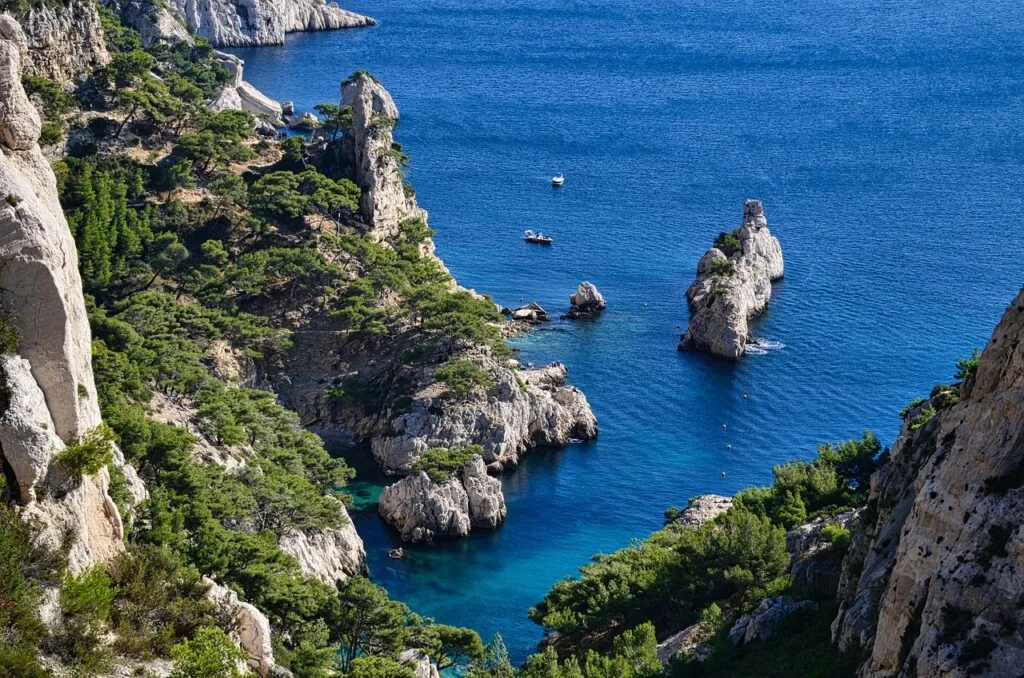
7. Crapolla Bay — The archaeological gem (Baia di Crapolla / Crapolla Bay, Via Provinciale Marina di Crapolla, 80073 Anacapri NA, Italy)
The Baia di Crapolla is a remarkable and historically rich cove on Anacapri’s southwest coast. Address: Via Provinciale Marina di Crapolla, 80073 Anacapri NA, Italy — here you’ll find archaeological remains, old terraces and a small rock-cut chapel. The bay is often named among Capri’s most picturesque and peaceful spots and sees fewer visitors because access is a bit more demanding.
Access: the classic route is the trail from Anacapri (Sentiero per la Baia di Crapolla) — plan for about 45–60 minutes of steady downhill walking over stone and earth sections. Alternatively, arrive by sea via water taxi or excursion (€30–€70 depending on season and negotiation). The bay is sheltered and a safe anchorage for small boats. Guided visits that combine history and nature are popular: around €25–€60 per person.
Hours: accessible all day, but morning (07:30–11:00) is ideal for the light and to avoid climbing back up in the heat. Local guides often run tours early in the morning or late afternoon to combine archaeology with a swim.
Costs: the bay and its outdoor remains are free to visit (there’s no formal ticketing for the site). Guided tours: €20–€60 per person. Boat transfers: €30–€80 depending on departure point and whether the trip is shared or private.
Immersive description: Crapolla spreads like a limestone shell edged with dry-stone walls and abandoned terraces where vines and subsistence crops once grew. You’ll find a small rock chapel and traces of ancient structures. The deep-blue water reveals beds of Posidonia and typical Mediterranean fish. The experience blends history, nature and sea: while swimming you can almost picture past maritime life. Polished rocks make handy benches for an impromptu picnic.
Local tips: travel light with a backpack and plenty of water. If you want to explore the archaeological remains, follow signs and don’t move objects. There are no amenities on site; bring snacks. Photographers will find the bay especially beautiful at sunrise when pink and golden tones light the cliffs.
Conclusion — How to prepare for exploring Capri’s secret coves
Capri isn’t just an island of luxury and celebrities: it’s also a playground for explorers willing to leave the Piazzetta and follow the sea or the trails to more discreet inlets. The seven coves in this guide — Marina Piccola, Grotta del Corallo, Cala di Mitigliano, Marina della Lobra, Cala dell’Arogno, Cala Mesola and Baia di Crapolla — offer a range of experiences: swimming, snorkeling, hiking, archaeological discovery and moments of pure contemplation. Each has its own character, specific access routes and technical constraints (steep trails, boat landings, weather conditions).
For a successful visit, a few simple rules: plan according to sea weather (conditions change quickly in the Mediterranean), aim to arrive early for tranquillity and optimal photo light, wear suitable footwear (hiking or water shoes), and always carry water, sun protection and a small first aid kit. If you’re not comfortable navigating or descending rugged trails, choose guided excursions: they can cost more but provide safety, local knowledge and access to corners you might otherwise miss.
Budget: most coves themselves are free; the main costs are transport (local bus €1.50–€2.00, water taxis €15–€80 depending on route, kayak rental €30–€70 / half-day, guided excursions €20–€150 depending on duration and exclusivity). Also budget for sunbeds if you want extra comfort at the lidos (€15–€40 / day). Expect higher prices in high season, especially for marine services.
Always respect the environment: Capri is a fragile ecosystem where Posidonia, coral patches and marine life deserve protection. Take your rubbish with you, don’t uproot plants and follow local rules. Locals often cherish these places, keep traditional habits and will appreciate responsible visitors.
Finally, give yourself time to simply stop and watch: the light, the sway of boats, the Faraglioni silhouettes on the horizon. Those quiet seaside moments are often what we remember most from a trip to Capri. Whether you’re looking for a peaceful swim, snorkeling spots or a coastal hike, these secret coves reveal another Capri — intimate, wild and deeply Mediterranean.