Introduction : Anacapri, entre mer, monts et charme intemporel
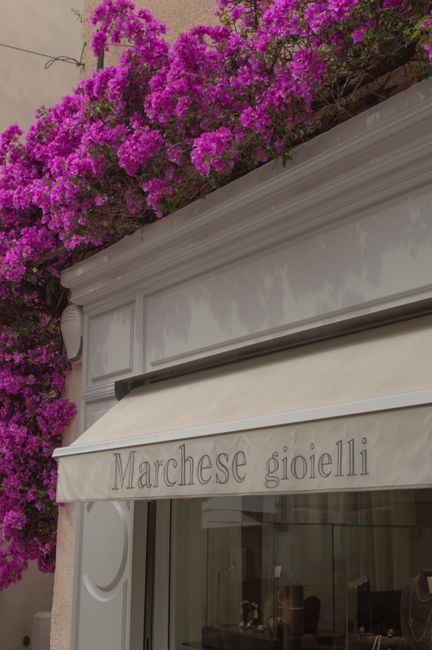
Anacapri, perché sur la partie occidentale de l’île de Capri, est un village qui évoque immédiatement une atmosphère différente de la partie basse et plus touristique de Capri ville. Plus calme, souvent plus authentique, Anacapri offre un mélange rare de panoramas marins, de sentiers montagneux, de villas historiques et de ruelles pittoresques bordées de bougainvilliers. Ce guide se propose d’emmener le lecteur à la découverte des incontournables d’Anacapri — lieux historiques, belvédères, expériences gastronomiques, conseils pratiques et itinéraires pour profiter au mieux d’une journée ou d’un séjour prolongé.
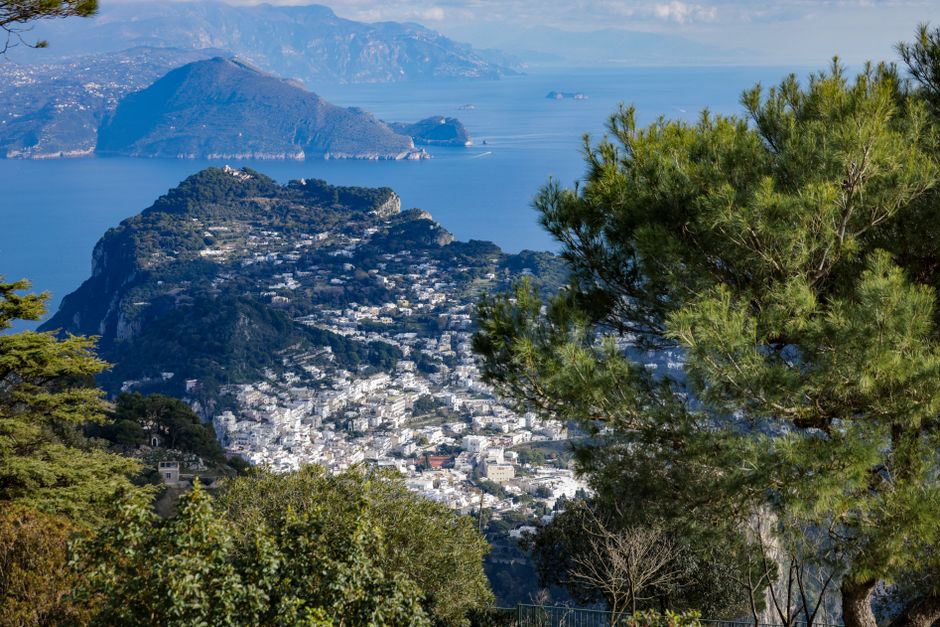
Située à environ 300 mètres d’altitude par rapport au niveau de la mer, Anacapri possède une topographie qui rend possible l’accès rapide à des panoramas vertigineux, notamment depuis le Monte Solaro, le point le plus élevé de l’île (589 m). Le village conserve une série de trésors architecturaux et artistiques, comme la Villa San Michele, bâtie par le médecin et écrivain suédois Axel Munthe, ou l’église de San Michele Arcangelo, célèbre pour son pavement en majolique racontant la « Chute d’Adam et Eve ». À ces lieux d’histoire s’ajoutent des expériences sensorielles : le parfum des citronniers, le bleu intense de la mer Tyrrhénienne, le vert profond des pins et la lumière unique qui a attiré peintres et écrivains.
Ce guide détaillé, rédigé pour le visiteur exigeant, fournit non seulement une description immersive des sites, mais aussi des informations pratiques : adresses complètes, horaires habituels, tarifs en euros, conseils locaux pour éviter les files d’attente et suggestions d’itinéraires à pied ou en transports locaux. Les tarifs et horaires mentionnés sont ceux généralement en vigueur et peuvent varier selon la saison ; il est recommandé de vérifier les informations sur place ou via les sites officiels avant le départ, surtout en haute saison (juin à septembre) où l’affluence est maximale.
Enfin, Anacapri se savoure aussi lentement : une pause café sur une terrasse, une balade au coucher du soleil vers le Faro di Punta Carena, une dégustation de limoncello artisanal ou la visite d’un atelier d’artisanat local. Le mélange d’éléments marins et montagneux, ainsi qu’un patrimoine bien préservé, font d’Anacapri une étape essentielle pour quiconque souhaite comprendre l’âme réelle de l’île de Capri.
1) Villa San Michele and Axel Munthe’s legacy: history, gardens and views
Villa San Michele is an essential stop in Anacapri, valued both for its history and its sweeping vistas. Address: Villa San Michele, Via Capodimonte, 34, 80071 Anacapri (NA), Italy. The villa was built by Swedish physician and writer Axel Munthe at the end of the 19th century on the ruins of an ancient Roman villa; today it houses a museum, collections and enchanted gardens that look out over the Bay of Naples, Mount Vesuvius and Punta Carena.
Opening hours: generally Villa San Michele is open daily; typical hours: 9:30 AM – 7:00 PM (last admission 6:00 PM) from April to October; reduced hours in low season (November to March): 9:30 AM – 5:00 PM (check before visiting). Indicative prices: adult ticket around €12.00; reduced rate (students/young people) around €6.00; free entry possible for children under 6. Guided tours in English and Italian are offered depending on the season, often with advance booking required for groups.
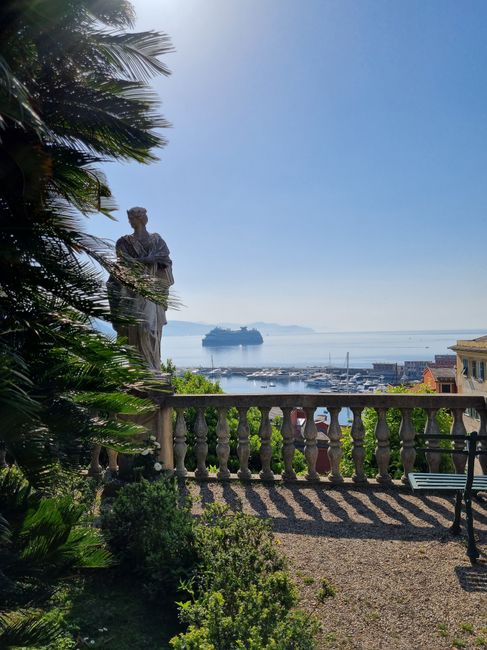
Why visit? The gardens of Villa San Michele are a series of terraced levels dotted with ancient sculptures and floral displays that act as a natural lookout over the sea. The museum preserves personal belongings of Axel Munthe, porcelain, ancient statues and an art collection. The so-called « camellia terrace » is a special spot to admire the light at dawn or dusk. The villa’s construction also reflects a fascinating blend of Oriental furnishings and Pompeian antiquities, showcasing the cultural eclecticism of its owner.
Practical tips: arrive early in the morning to enjoy the views before the crowds and to get soft light for photos. Wear comfortable shoes: paths are uneven and there are many steps. If you want to combine with other visits, walk around the villa descending toward central Anacapri via Via San Michele, where you’ll find cafés and small artisan shops.
2) Monte Solaro and the Chairlift: summit, panorama and hiking
Monte Solaro, rising to 589 meters, is the highest point on Capri and offers one of the most spectacular panoramas in the Mediterranean. The most convenient access for most visitors is the chairlift (seggiovia) located on Piazza Vittoria in central Anacapri. Address: Seggiovia Monte Solaro, Piazza Vittoria, 80071 Anacapri (NA), Italy. The chairlift takes you straight to the summit in a few minutes, saving time for those who prefer not to hike all the way up.
Hours and fares: in high season (May – September) the chairlift generally runs from 9:00 AM to 7:00 PM; reduced hours in low season (check locally). Indicative price: return ticket about €11.00 per adult, one-way €7.00; reduced rates for children and seniors around €5.50 – €8.00. Peak times (late morning and late afternoon) can create short queues; early opening is recommended for photographers and walkers.
At the top you’ll find a rocky ridge punctuated with natural viewpoints. The views stretch across the Bay of Naples, the Li Galli islands, the Amalfi Coast on clear days, and the entire island of Capri beneath your feet. Marked trails let you extend the walk to quieter lookout spots where you may spot passing birds and typical Mediterranean vegetation (rockroses, cistus, broom).
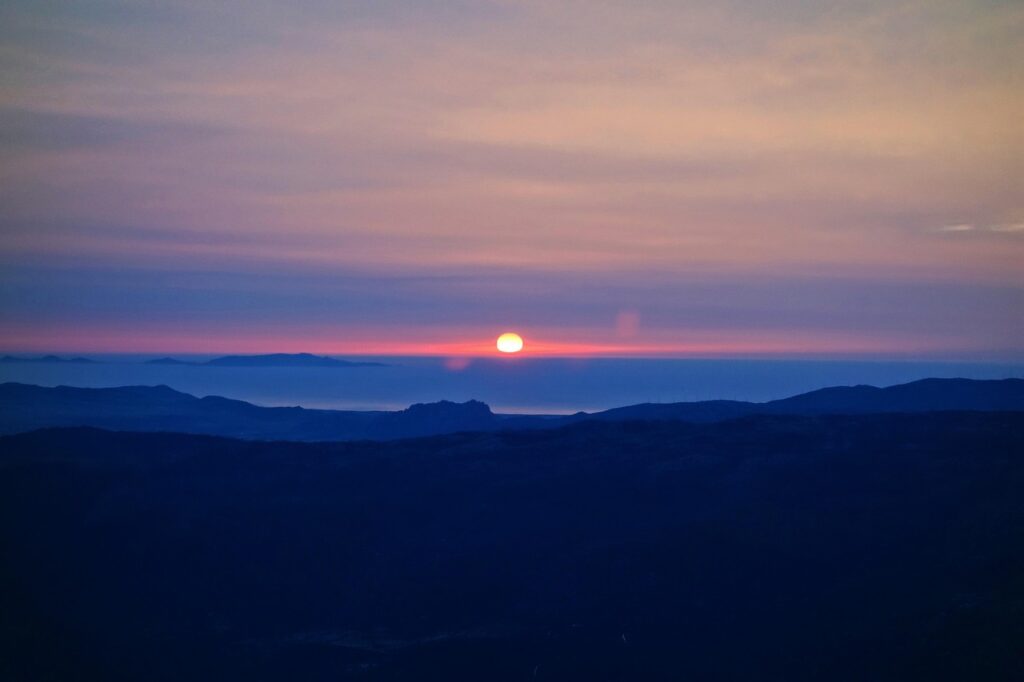
For hiking enthusiasts, there are footpaths that climb from Piazza della Pace or from the area around Villa San Michele; allow 45 minutes to 1.5 hours depending on pace and fitness. Bring water, a hat and sunscreen: exposure is strong and there’s little shade at the summit. If you’re aiming for a romantic moment or sunset photos, plan to arrive at least 30 minutes before sunset to pick your spot and make sure you can descend before the chairlift closes.
3) Chiesa di San Michele, Casa Rossa and Anacapri’s cultural treasures
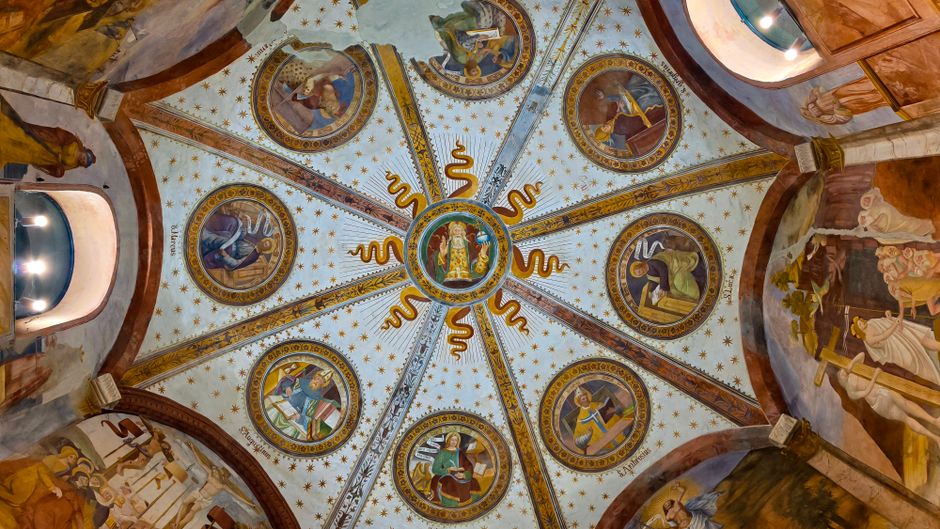
Anacapri preserves a rich cultural heritage concentrated in sites within walking distance of Piazza Vittoria. The Chiesa di San Michele Arcangelo is one of the most famous religious buildings: address Piazza San Nicola, 80071 Anacapri (NA), Italy. Built in the 18th century, the church is notable for its colorful majolica floor, created between 1768 and 1776, which depicts a highly detailed and allegorical scene from Genesis.
Hours: generally open during the day (9:00 AM – 12:30 PM and 3:30 PM – 7:00 PM) with variations for religious services; admission may be charged (a donation or small fee ≈ €2.00 – €5.00) during special exhibitions. Respect mass times and silence rules; photography may be restricted inside, so check with staff.
Not far from the church is Casa Rossa (Museo Casa Rossa), a bright red building turned museum. Address: Casa Rossa – Museo, Via Giuseppe Orlandi, 8, 80071 Anacapri (NA). This museum houses art collections, historical objects and temporary exhibitions dedicated to local history, island life and the memories of Anacapri’s inhabitants.
Hours and prices: opening times vary with the season; generally open from 10:00 AM to 6:00 PM; indicative admission: €5.00 – €8.00 for adults, with possible reductions. Visiting Casa Rossa is ideal for understanding the social and cultural changes on the island during the 20th century through photos, furniture and preserved personal stories.
Cultural tips: combine a visit to Chiesa di San Michele and Casa Rossa with a break at one of Anacapri’s small pastry shops to sample local specialties (biscotti, ricotta pastries). Don’t hesitate to ask museum staff or shopkeepers for recommendations on local artisan workshops — some offer demonstrations of coral jewelry making or traditional ceramics.
4) Coastal trails, Faro di Punta Carena and sea experiences
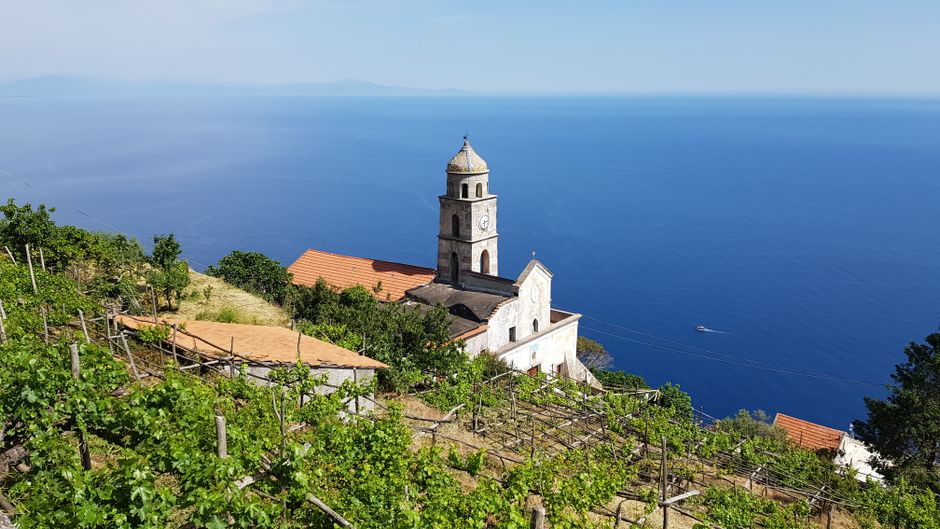
Anacapri isn’t only about heights: its coastal edges, especially the Punta Carena area, deliver wild seascapes and access to coves perfect for swimming and watching the light on the water. The Punta Carena lighthouse (Faro di Punta Carena) sits on the island’s southwestern tip. Address: Faro di Punta Carena, Località Punta Carena, 80071 Anacapri (NA). Perched on a rocky headland, this lighthouse is a favorite spot to watch the sunset away from the crowds.
Access: from central Anacapri it’s about a 30–45 minute walk (scenic route), or you can take a local taxi or bus depending on the season. The coastal path skirts rocky formations and little coves; wear suitable shoes and be careful on wet rocks.
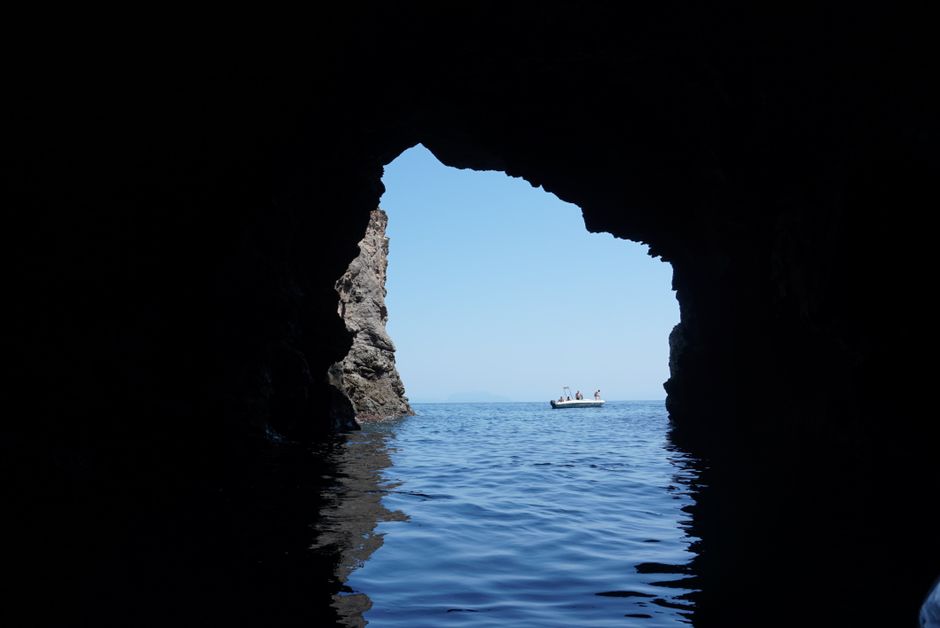
Sea activities: although the Blue Grotto (Grotta Azzurra) is technically on the Capri coast and often reached from Marina Grande, several operators out of Anacapri organize boat tours around the island, including stops at the Blue Grotto, the Green Grotto and other sea caves. Boat fares: small shared boat tours leaving from Marina Grande or nearby ports typically cost between €14.00 and €25.00 per person (prices vary by season and operator). Private boat rentals can range from €150.00 to €400.00 for a half-day depending on size and type of craft.
Safety and experience tips: for visiting the sea caves (Blue Grotto), try to go early in the morning: the sea tends to be calmer and the light better. At the cave entrances, access by rowboat sometimes requires lying flat to pass under the rock; this may not be suitable for people with back problems or who are prone to seasickness. For those who prefer land, the walk to Punta Carena and watching the lighthouse at sunset remain romantic and free alternatives.
Conclusion : organiser votre séjour à Anacapri et conseils pratiques
Anacapri est un équilibre remarquable entre la mer et la montagne : ses visites combinent des panoramas maritimes spectaculaires, des promenades en altitude et un patrimoine culturel riche. Pour tirer le meilleur parti de votre séjour, planifiez vos activités en tenant compte des variations saisonnières : en haute saison, arrivez tôt aux principaux sites (Villa San Michele, seggiovia pour Monte Solaro) pour éviter les files et trouver des places de stationnement ; en basse saison, profitez d’une atmosphère plus calme pour explorer musées et églises sans la pression touristique.
Transport et accès : depuis Marina Grande (port principal), des bus réguliers relient Capri ville et Anacapri. Les tickets de bus sont vendus dans les kiosques et auprès des chauffeurs (prix indicatif €2.00 – €3.00 par trajet selon la ligne). Les taxis locaux sont disponibles mais limités en nombre ; attendez-vous à des tarifs plus élevés le soir ou pour des trajets vers Punta Carena. Si vous voyagez en voiture particulière ou en scooter depuis la côte, vérifiez les possibilités de stationnement à Anacapri et privilégiez les parkings officiels pour éviter amendes et remorquage.
Où manger et boire : Anacapri offre une sélection de cafés et de petits restaurants proposant cuisine méditerranéenne, fruits de mer et spécialités caprines. Cherchez les établissements proposant des produits locaux (fromages, citron de Capri, huile d’olive). Mangez léger avant une randonnée ou une visite prolongée : une salade de poulpe, des pâtes au limone, ou un plat de légumes grillés sont à la fois typiques et nourrissants. Pour le dessert, ne manquez pas un limoncello artisanal en dégustation.
Conseils locaux et durabilité : respectez les sentiers balisés, ne cueillez pas de plantes sauvages et évitez les zones protégées. Préférez acheter des souvenirs chez les artisans locaux plutôt que des produits importés ; cela soutient l’économie de l’île et offre des objets authentiques. Emportez une bouteille d’eau réutilisable : les fontaines municipales d’Anacapri permettent de la remplir et de réduire les déchets plastiques.
Enfin, prenez le temps. L’une des plus grandes richesses d’Anacapri est sa capacité à ralentir le rythme : que vous choisissiez de contempler la mer depuis la Villa San Michele, d’admirer l’horizon depuis le Monte Solaro ou de vous perdre dans les ruelles fleuries, laissez-vous porter par la lumière, les parfums et les panoramas. Vérifiez toujours les horaires et tarifs actualisés avant vos visites et pensez à réserver pour les activités les plus demandées (télésiège, musées, excursions en bateau) lors des périodes de forte affluence. Bon voyage et belle découverte d’Anacapri !