





Introduction — Sailing around Capri: a sea itinerary for the soul
Capri has inspired poets, painters, travelers and sailors since ancient times. Perched like a gem in the Bay of Naples, the island reveals itself best from the water: every cove, cliff and sea-arch looks different when viewed from a boat, rocked by the waves and wind. This immersive, practical guide outlines 10 unmissable stops to make by boat around Capri — doable as a single-day excursion or stretched over several days for those who prefer to take their time.
Getting around Capri by boat not only gives you access to places unreachable by land, it also lets you witness the play of light on limestone, the turquoise reflections inside caves and the elegant silhouette of the Faraglioni. We picked stops that mix iconic natural sites, hidden beaches, picturesque hamlets and historical markers, and for each we include practical addresses, typical opening times, approximate prices in euros and local tips to make the most of your visit (best time of day, recommended gear, ways to avoid queues).
Before you set off, keep a few simple rules in mind: check the marine forecast (winds like the Tramontana or Ponente can make conditions rough), reserve berths or tender services in high season (July–August), and bring sun protection and plenty of water. Many tourist facilities operate seasonal hours and variable rates: prices in this guide are recent estimates in euros but can change. Finally, respect nature: don’t throw rubbish at sea, avoid landing in protected zones and follow instructions from harbor wardens or local authorities.
This guide is organized as 10 numbered stops — each developed with practical information, sensory descriptions and concrete tips. Boat trips around Capri are multisensory experiences: the cry of gulls, the scent of the sea mingled with citrus and Mediterranean scrub, the cool turquoise water beneath a rock arch. Pack your camera, non-slip shoes and a small dry bag to keep valuables safe during landings. Fair winds — may your day around Capri be full of discoveries and unforgettable views.
1. Marina Grande — Capri’s maritime gateway
The first stop, and often the main landing point for ferries and yachts, is Marina Grande. Address: Marina Grande, Via Castellone, 80073 Capri NA, Italy. It’s the primary port for ferries and hydrofoils coming from Naples, Sorrento and Positano. The harbor buzzes from early morning: ferry arrivals come one after another, water taxis prepare to go, and cafés open to serve strong espressos before you head off on your adventure.
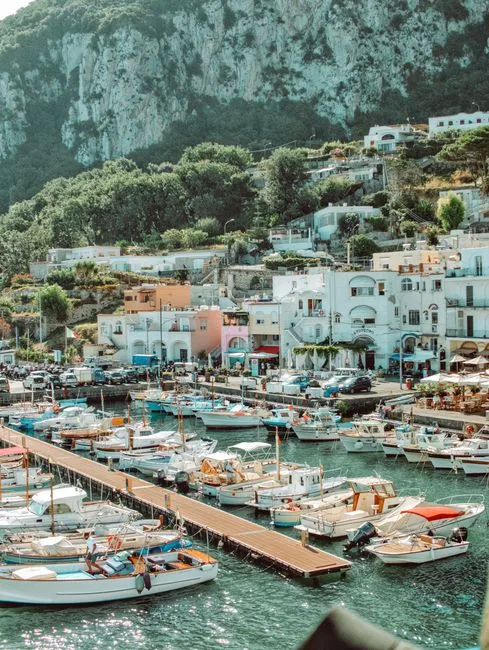
Hours: the port operates 24/7, with heavy traffic between 07:00 and 19:00 in high season. Ferry company ticket offices (Caremar, SNAV, NLG) are generally open from 07:00 to 20:00 depending on the season. Prices: berthing fees for private boats vary — for a day expect roughly €20–€60 depending on boat size; small craft may face harbor dues of about €10–€25.
Immersive description: stepping off at Marina Grande you feel the island energy: pastel facades, colorful skiffs and the steady bustle of traders. Nearby are traditional restaurants like « Ristorante Aurora » (Via Marina Grande, 8, 80073 Capri NA) where a simple lunch of fresh fish can cost between €15 and €35 per person depending on the plate.
Local tips: if you arrive by private boat, book your spot in advance during high season. To save time and avoid the uphill walk to the Piazzetta, take the funicular (Funicolare Capri – Piazza Umberto I, 80073 Capri NA; typical hours 07:00–23:00; ticket €2.00–€2.50) or a taxi shuttle. Avoid Marina Grande late in the afternoon if you need to catch a ferry: queues can get long.
2. La Grotta Azzurra (Blue Grotto) — Capri’s luminous jewel
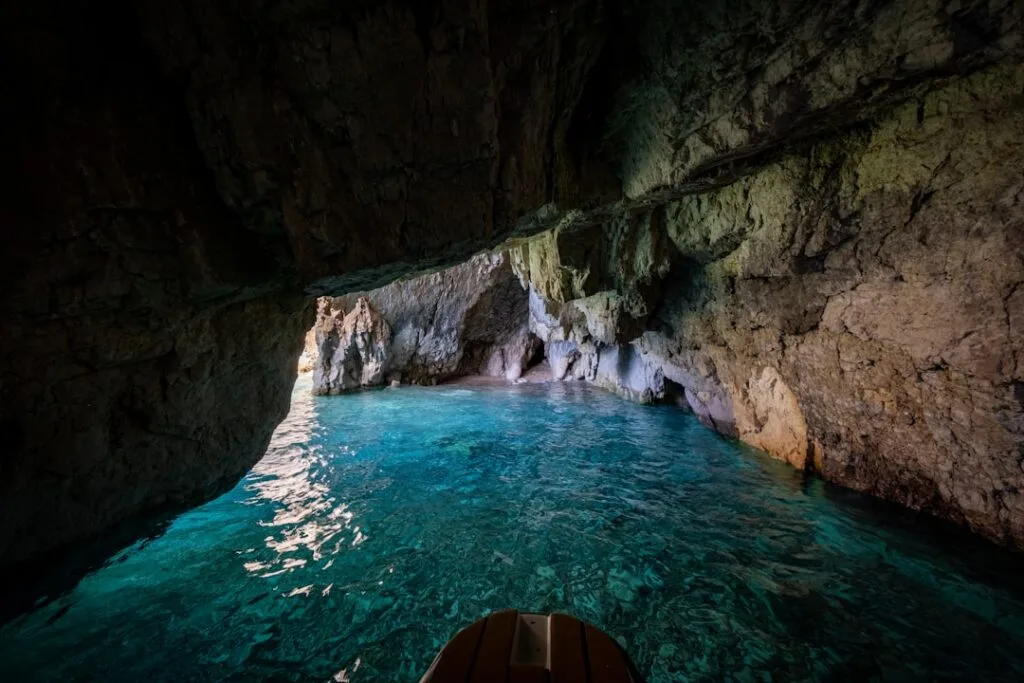
Address: Via Grotta Azzurra, 80073 Capri NA, Italy (sea entrance). The Blue Grotto is arguably the island’s most famous sea cave. Access is by a small dinghy that carries you and other visitors through a low opening into the cavity. Entry depends on sea conditions: access is forbidden in rough weather or heavy swell.
Hours: opening times vary with weather and season; generally accessible 09:00–17:00 in peak season, but often closed early in the morning or late afternoon depending on tide and wind. Prices: the boat ride from shore costs about €14–€20 per person (seasonal rates). Additional local entrance fees sometimes apply; budget €20–€30 per person as a realistic estimate.
Immersive description: the magic of the Blue Grotto comes from the intense blue light filtered through a small underwater opening. Inside, the water turns an electric blue, almost supernatural, lighting the rock vault and creating the sense of a secret world. Local rowboats are skillfully handled; keep quiet to appreciate the echoes and the gentle whisper of water on stone.
Local tips: arrive early (09:00–10:30) to avoid long lines and enjoy calmer seas. Boats allowed into the cave are limited, so high season can mean significant waiting. Bring a life jacket if you’re prone to seasickness and leave fragile items on the main boat; the dinghies are low and require you to lean back slightly when entering.
3. Faraglioni — The island’s iconic rock stacks
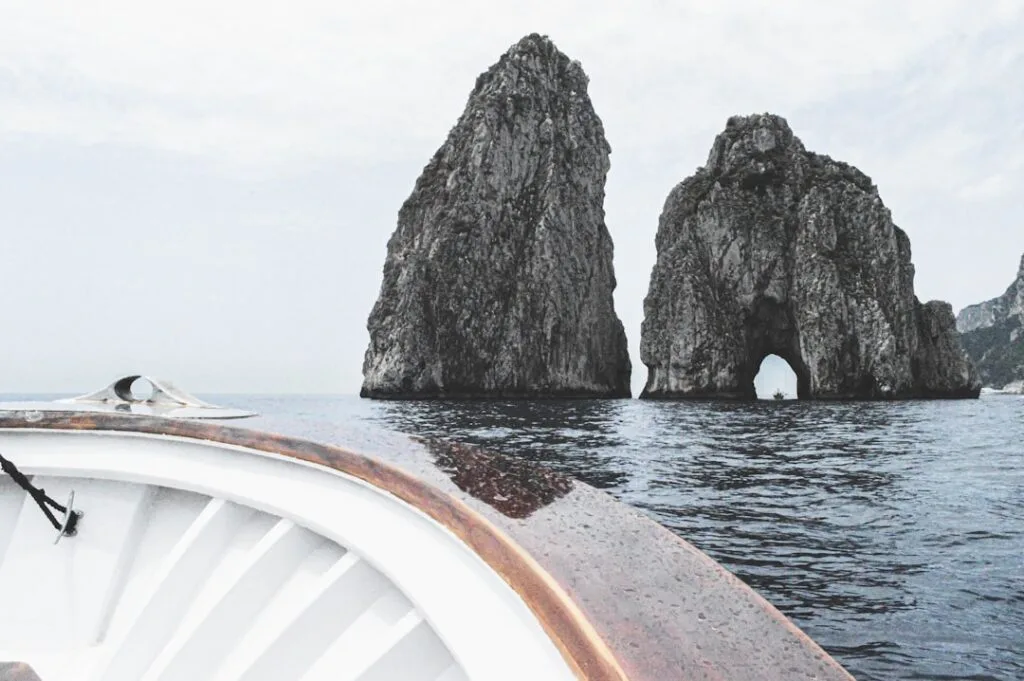
The Faraglioni are three spectacular rock stacks off Capri’s southeast coast: Stella, Faraglione di Mezzo and Faraglione di Fuori (Scopolo). Address (recommended sea approach): Faraglioni di Capri, waters off the southern coast, 80073 Capri NA, Italy. They’re a visual must-see on boat trips; the best way to appreciate them is to circle their base by boat, take in their natural ledges and — for the adventurous — pass through the arch of the Faraglione di Mezzo.
Hours: visible all day, but morning light (08:00–11:00) brings golden hues and often calmer seas. Price: there’s no fee to admire the Faraglioni from the water, but organized tours that include a close pass typically cost €18–€35 per person for a 1–2 hour ride.
Immersive description: as you approach the Faraglioni the sea shifts to emerald. The spray breaking on rock, the scent of wild thyme and seabirds nesting in crevices create an almost unreal scene. Local skippers know the currents and may offer to take you through the central arch — a classic, dramatic photo opportunity.
Local tips: photographers should position themselves southwest at sunset for dramatic silhouettes. Watch the traffic in high season — avoid getting too close if your skipper advises keeping distance to protect nesting birds. If you plan to dive near the Faraglioni, test the water and steer clear of high-traffic boat lanes.
4. Marina Piccola and Solara Beach — south shore relaxation
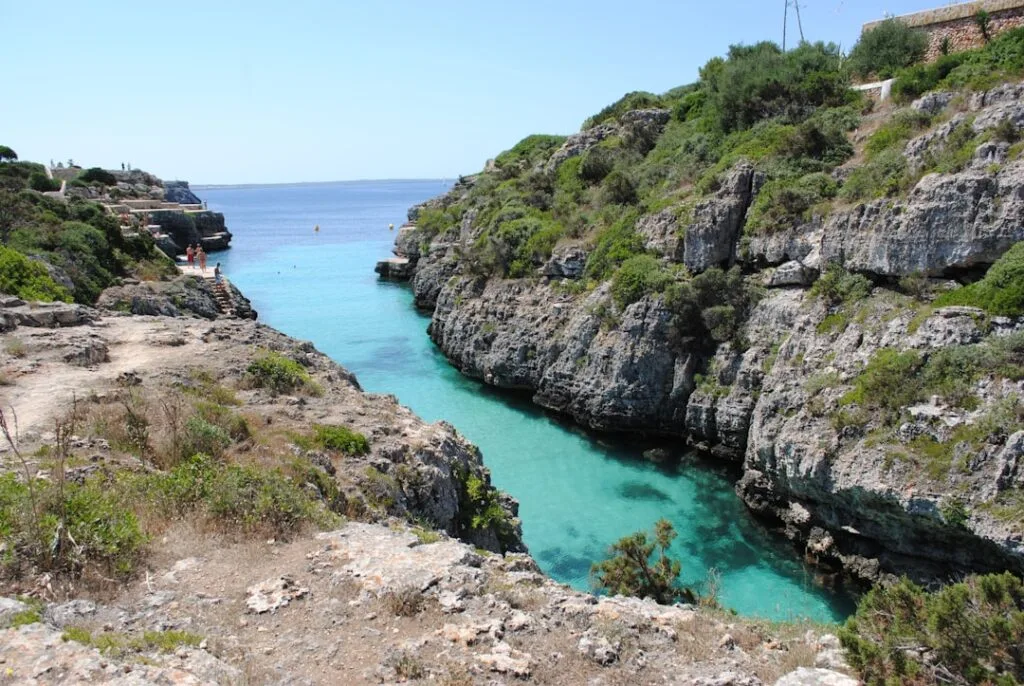
Address: Marina Piccola, Via Marina Piccola, 80073 Capri NA, Italy. Located on Capri’s south coast, Marina Piccola is a small harbor and beach area that offers a quieter contrast to Marina Grande. It’s an ideal anchorage for boats seeking a peaceful spot and direct access to private and public beaches.
Hours and prices: the marina and beaches are open all day; sunbeds and umbrellas at private beach clubs typically cost €20–€45 per person per day depending on the establishment (Bagni Tiberio, Da Luigi, etc.). For a casual landing and a swim there’s usually no mandatory fee, but expect to pay for services or loungers.
Immersive description: Marina Piccola’s microclimate creates calm waters shielded by cliffs. Restaurant terraces overlook the bay and serve grilled fish, spaghetti alle vongole and local specialties. Rocks form natural sunbathing platforms; the water is clear and great for snorkeling, revealing rich sea life around seagrass beds.
Local tips: arrive early to find a quiet anchorage and avoid afternoon hustle. If you rent a sunbed at a stabilimento, you can sometimes haggle in low or mid-season. To get to the Piazzetta from Marina Piccola, either hike the trails (20–30 minutes; wear sturdy shoes) or take a local taxi for 5–10 minutes.
5. Punta Carena and Faro di Punta Carena — lighthouse sunset
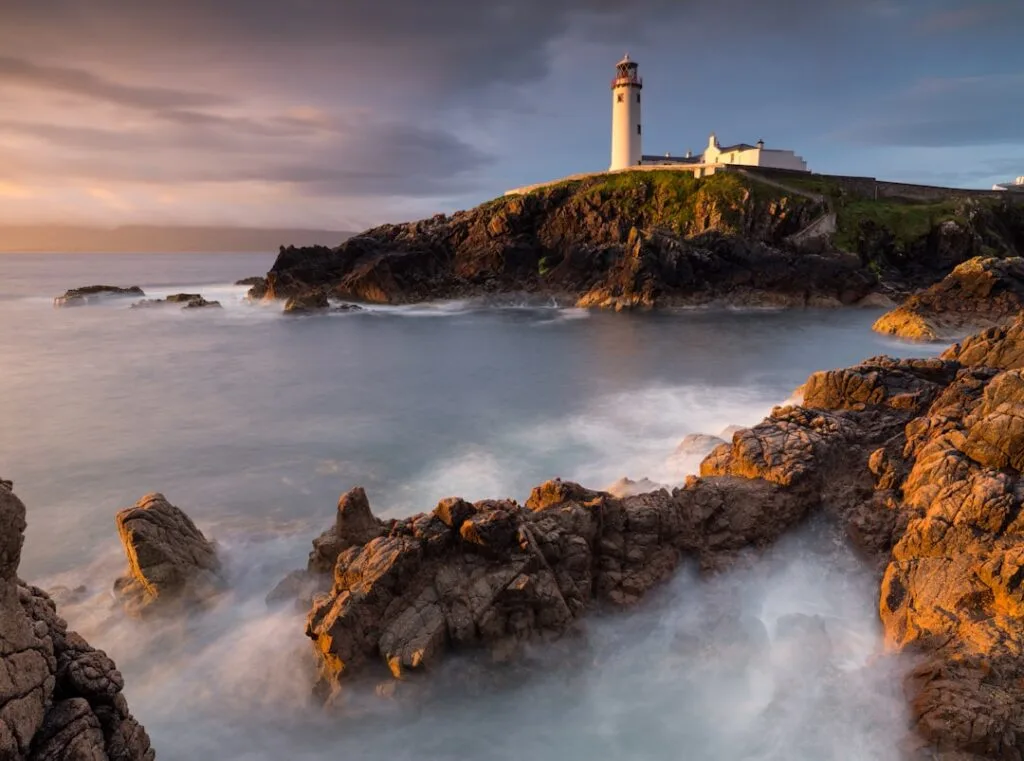
Address: Faro di Punta Carena, Via Faro, 80073 Anacapri NA, Italy. Punta Carena Lighthouse on the island’s southwest tip near Anacapri is famous for its steep cliffs and panoramic views over the Tyrrhenian Sea. It’s a top stop to watch the sunset from the water, away from the crowds in the Piazzetta.
Hours: the coastal area is accessible all day; if the lighthouse is open for visits or events, hours are usually 09:00–19:00 in the tourist season. Price: anchoring in designated areas is free, though you may pay harbor fees to land in developed spots (roughly €20–€40 for a short stop). Small pebble beaches and natural pools around the area are usually free.
Immersive description: from the sea Punta Carena looks like an ochre rampart punctuated by the lighthouse’s white tower. Waves pound the cliff base, sending salty spray and a deep rumble. Late in the day the golden light slides along the faces and the lighthouse silhouette cuts against the horizon — a perfect moment for an on-board aperitivo.
Local tips: if you plan to watch the sunset, anchor a little before the light changes to secure a safe spot. Currents can pick up offshore — stay in sheltered areas. Bring a light blanket or windbreaker for the evening: temperatures can drop quickly after sunset.
6. Grotta Verde and Grotta Bianca — two lesser-known caves with secret charm
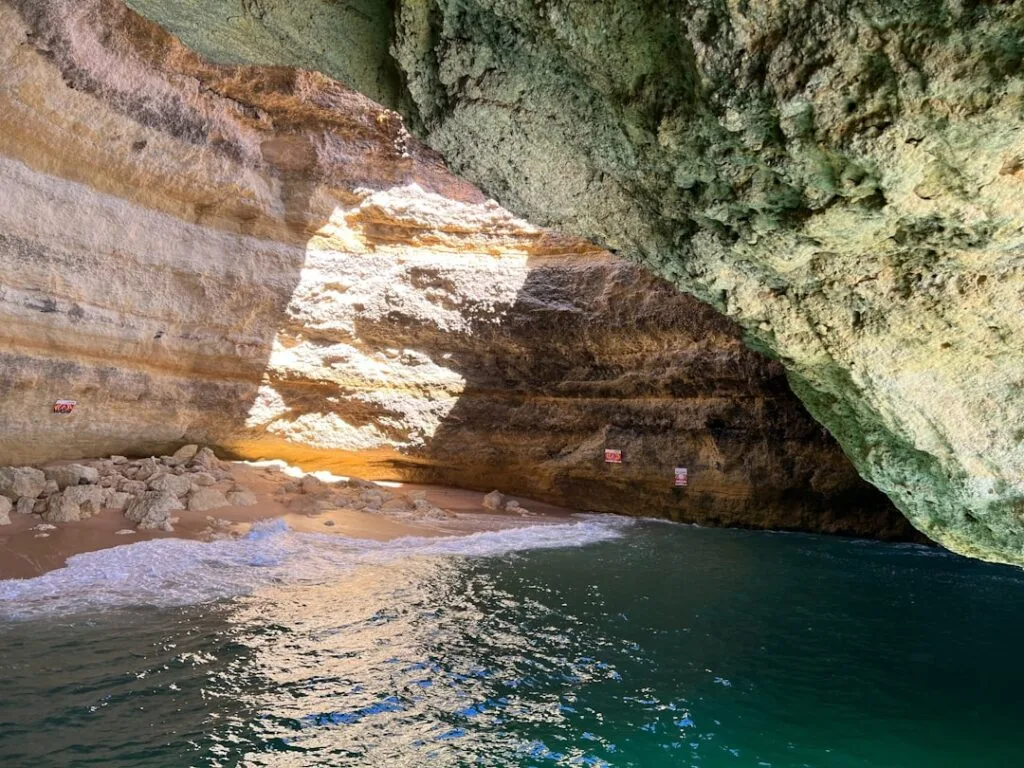
Capri’s caves go beyond the famous Blue Grotto: the Green Grotto (Grotta Verde) and White Grotto (Grotta Bianca) each offer a distinct atmosphere. Approach by boat from the island’s east coast, with anchoring possible nearby. Approximate address: coastal entrance, east Capri near Punta Tragara, 80073 Capri NA, Italy.
Hours: accessible by boat depending on sea conditions; mornings are often most favorable. Price: guided tours that include these caves often cost €20–€40 per person for a full island excursion. Direct access by small rowboat can require arranging with a local operator (variable rates, often €15–€25 per person).
Immersive description: the Green Grotto gets its name from the subtle green reflections that fill the interior when sunlight filters through underwater fissures; the effect is more intimate and less theatrical than the Blue Grotto. The White Grotto reveals pale limestone walls and small sea-sculpted stalactites. These caves are ideal for snorkelers: the water is clear and marine life is abundant near the entrances.
Local tips: bring mask and snorkel for a swimming stop; hire a local guide to find safe entries and read the tides. These caves see fewer visitors, making them perfect for those seeking a quiet moment away from the crowds.
7. Punta Massullo and Villa Malaparte — architecture on a dramatic cliff
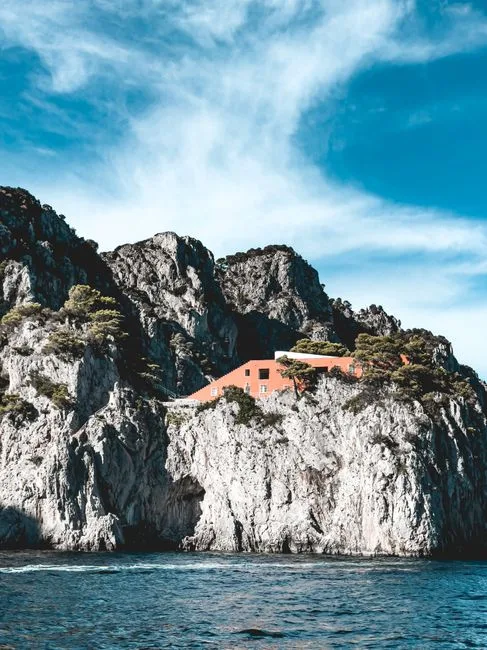
Address: Casa Malaparte (Punta Massullo), Via Capo, 80071 Anacapri NA, Italy — the main access is by sea because the villa sits on a promontory that’s hard to reach on foot. Villa Malaparte is a striking example of modern architecture, positioned on a rocky point with a highly photographed red-ochre silhouette.
Hours and price: the property is private and often used for exhibitions or events; there is no permanent public access. To admire the villa from the sea, simply approach by boat: there’s no fee to view it from the water. If a special event allows visits, conditions and prices are announced locally (they vary widely).
Immersive description: seen from the sea, the villa looks set at the edge of the world; its brutalist staircase leading to the rooftop terrace dominates the waves. The contrast of the red house against white rock and turquoise water creates a memorable image. The atmosphere becomes almost theatrical when wind and spray animate the scene.
Local tips: respect private property and don’t attempt to land on private areas. Local captains know safe approaches for close observation. Bring a telephoto lens to capture architectural details without disturbing the site.
8. Grotta di Matermania and legendary coves — history and myths
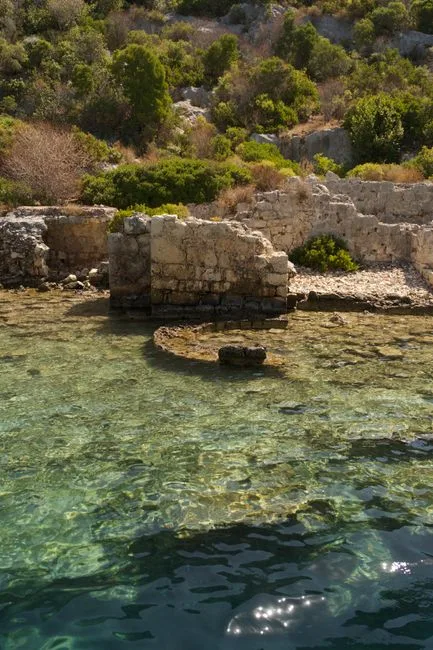
Grotta di Matermania and the small surrounding coves echo the island’s ancient past. Address: Grotta di Matermania vicinity, eastern cliffs near Capri town, 80073 Capri NA, Italy. Matermania was a place of worship dedicated to local deities in antiquity; some small grottoes and caves still retain a mythical aura.
Hours and price: observation and anchoring possible all day depending on conditions; guided tours that include historical commentary typically cost €25–€45 per person. Some itineraries combine this stop with swimming and snorkeling.
Immersive description: as you approach you’ll spot rocky hollows and archetypal formations and tiny secluded beaches. The water is calm in sheltered coves, dotted with seagrass and anemones. It’s a place where the sea seems to suspend time — ideal for poring over an old map or listening to local tales about ancient marine cults.
Local tips: hire a guide if you want to dive deeper into the history — local guides often share anecdotes and archaeological hints not obvious to the untrained eye. For divers, these coves offer varied seabeds to explore.
9. Anacapri from the sea — landing and panoramic ascent
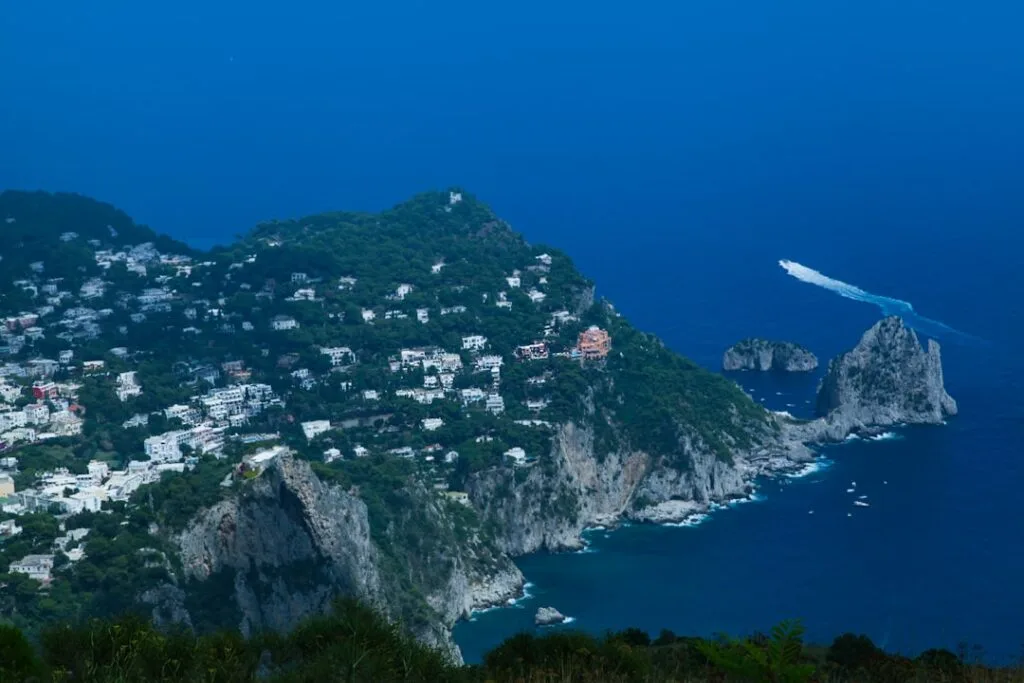
Recommended landing: Marina Grande (then transfer) or small slips near Anacapri, Comune di Anacapri, 80071 Anacapri NA, Italy. Anacapri, quieter than Capri town, offers alleys, viewpoints and less crowded sea access points. Landing directly on some small slips gives immediate access to trails and lookouts.
Hours: Anacapri shops are generally open 09:00–19:00 in season; some cafés and restaurants close in the afternoon. Price: private tender landing services typically cost €10–€30 depending on the slip and duration; the Monte Solaro chairlift in Anacapri charges about €12–€15 round-trip, offering the island’s highest view.
Immersive description: after a discreet landing, climb toward Piazza Paolo VI or take the chairlift to Monte Solaro for an incomparable panorama. The scent of citrus and the calm village streets contrast with Capri’s bustle. Village cafés serve local treats like torta caprese (chocolate and almond cake) for about €4–€6 a slice.
Local tips: combine an Anacapri visit with a short hike to the Hermitage of Cetrella or Villa San Michele (Via Capodimonte, 11, 80071 Anacapri NA; typical hours 09:00–19:00; entry fees vary €6–€10) for a fuller cultural and scenic experience. Book tender or taxi-boat services in advance if you plan to return to the main boat in the late afternoon.
10. Tiberio Bay and the fishermen’s isle — classic contrast
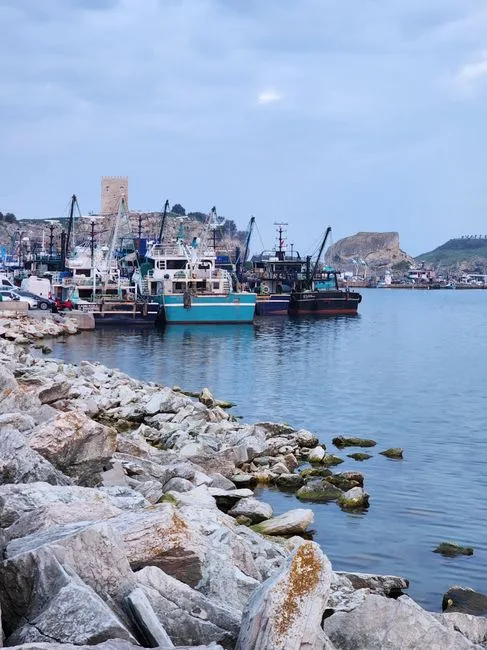
Address: Baia di Tiberio vicinity, near Villa Jovis region, eastern Capri coast, 80073 Capri NA, Italy. Tiberio Bay lies east of the island, between Marina Grande and the area of ancient villas. Named after Emperor Tiberius, who had a residence on Capri (Villa Jovis), the bay is rich in submerged historical remains and small beaches frequented by locals.
Hours and prices: anchoring is allowed in designated areas; if you want to land at a stabilimento expect €15–€40 for loungers and services. Organized archaeological visits around Villa Jovis typically add €15–€25 if included in a guided tour.
Immersive description: Tiberio Bay juxtaposes ancient ruins, transparent waters and traditional fishing boats. The pace here is contemplative: slow-moving boats, fishermen mending nets and swimmers diving from bows. Swimming above submerged fragments gives the experience a tactile historical dimension.
Local tips: respect underwater archaeological zones; avoid anchoring on fragile sites — use mooring buoys if available. Ask local skippers for routes that include historical points of interest to grasp Capri’s imperial dimension. Plan a light lunch on board or at a nearby trattoria after your swim.
Conclusion — Planning your day at sea around Capri
Sailing around Capri presents a rich and varied picture: from the spectacular fame of the Blue Grotto and the Faraglioni to the quieter secrets of the Green Grotto, the historic coves around Matermania and the wild panoramas of Punta Carena. Each stop in this guide was chosen to balance natural beauty, sea accessibility and authentic contact with the island’s history and culture. The practical details — precise addresses, typical hours, indicative prices in euros — help you plan realistically. Remember marine conditions and schedules change: always check local weather, navigation notices and operators before departure.
Final tips: in high season (July–August) book boat services, beach club spots and guided tours in advance. In low and mid-season enjoy quieter waters and softer prices, though some caves may be closed due to rough seas. Carry safety gear (life jackets, a first aid kit), sun protection, water, a camera and a dry bag. Follow local rules about anchoring and approaching natural and archaeological sites — preserving these places depends on visitor behavior.
And leave room for the unexpected: a local skipper might take you to a forgotten cove, a fisherman could share last night’s recipe, and a Faraglioni sunset may turn a great day into an unforgettable memory. Whether you’re an experienced sailor or a day-trip traveler, the sea around Capri promises sensory, historical and visual encounters that will linger long after you’ve left. Safe travels — and fair winds around Capri.