Introduction: Capri, the island reinventing the contemporary villa
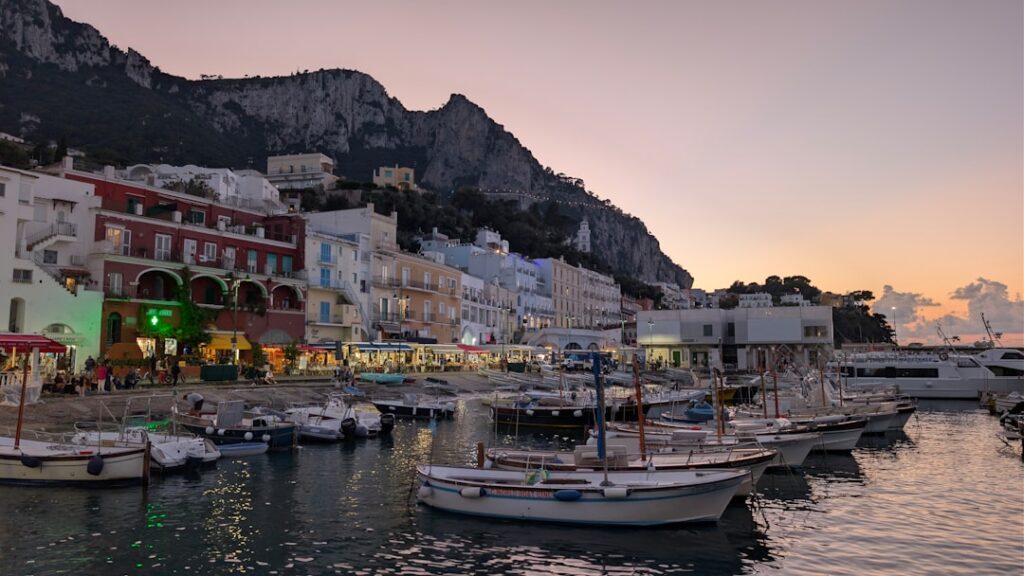
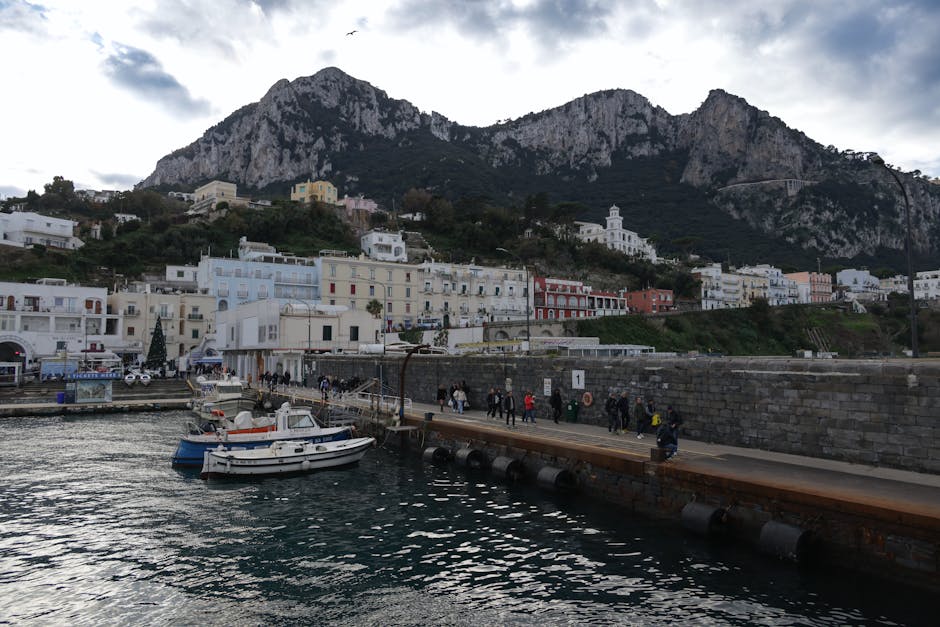
Capri is more than a postcard of white cliffs, translucent caves and bustling cafés on the Piazzetta; it’s also a living lab where contemporary architecture converses with centuries of Mediterranean history. The island, sitting in the Gulf of Naples, has long drawn artists, writers and collectors who want to combine discreet luxury with architectural thrills. In this setting, Capri’s design villas are a sophisticated, up-to-date response to the challenge of building in a constrained landscape, where topography, light and tradition demand careful aesthetic choices.
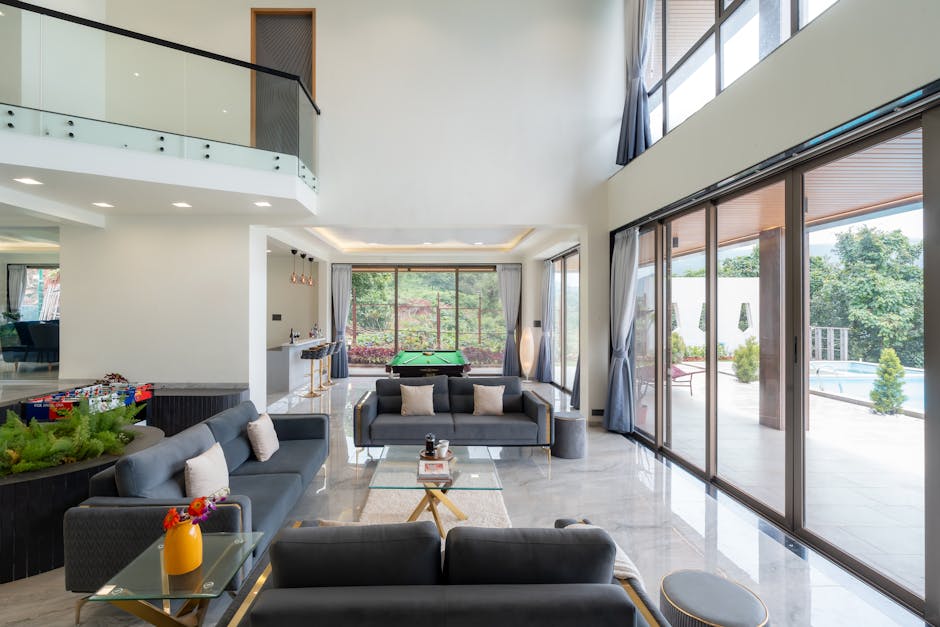
Exploring Capri’s contemporary villas means reading a map of views — toward Marina Piccola bay, the Faraglioni stacks, Anacapri and the steep slopes that plunge into the Tyrrhenian Sea. Far from being mere summer homes, these villas embody a way of living that pairs generous outdoor spaces, local materials and modern technologies to control temperature, privacy and sustainability. Rooftop terraces open onto sensory panoramas; infinity pools blur into the horizon; plastered walls recall the rock’s mineral quality while glass frames sculptural views of the sea.
On the island, preserving the built heritage — from Roman remains to neoclassical villas — does not oppose innovation: it encourages it. Contemporary architects see local constraints as creative opportunities, using passive strategies, natural materials like local stone and sun-stained wood, rainwater harvesting systems and natural ventilation that minimize energy impact. This turn toward responsible architecture is both a tribute to Capri’s identity and an answer to the demands of upscale tourism.
This article takes you on an in-depth tour of Capri’s design villas: notable spots open to the public, iconic private residences visible from coastal paths, useful addresses, practical tips (bookings, transport, best times to visit) and concrete info on the sites and monuments that shape the island’s architectural landscape. Whether you’re an architect, a design lover, a curious traveler or a potential buyer, you’ll find clear markers, immersive descriptions and recommendations to feel, see and understand how modernity fits into this timeless setting.
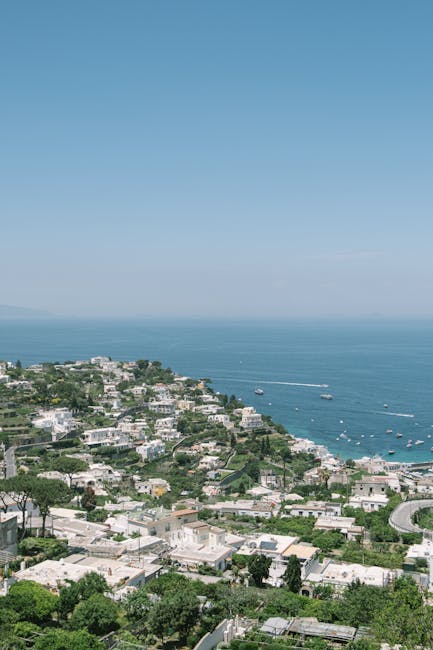
Must-see public examples: villas and gardens blending history and modernity
On Capri, certain historic sites offer a fascinating dialogue between past and present and let visitors gauge how contemporary architecture draws on local heritage. Among these, Villa San Michele, Villa Jovis and the Certosa di San Giacomo are essential reference points, each delivering a distinct experience — from cultivated gardens to imperial ruins — that helps explain the island’s aesthetic contrasts.
Villa San Michele (Piazza Caprile, 1, 80071 Anacapri NA, Italy) — built by physician and writer Axel Munthe on Monte Solaro — is now a museum and garden with spectacular views over the Gulf of Naples. Address: Piazza Caprile, 1, 80071 Anacapri NA. Opening hours: in high season typically 9:00–19:00 (last admission 18:30); reduced hours in low season. Indicative entry price: about €8–10 for adults. The route combines antiquities collections, tiled courtyards and panoramic terraces where light sculpts whitewashed walls and centuries-old olive trees. It’s a key example for understanding the landscaped staging that inspires modern villas on the island. Practical tip: go early morning to beat the crowds and enjoy the soft light over the bay.
Villa Jovis (Parco Archeologico Villa Jovis, Via Tiberio, 80073 Capri NA) — the ruins of Emperor Tiberius’s imperial villa — sit at the island’s eastern tip. Pedestrian access: the trail from Via Tragara / Piazzetta to the Parco Archeologico Villa Jovis, 80073 Capri NA. Hours: generally 9:00–17:00 in low and mid seasons, extended in summer; fees: about €6–8. Built on steep terraces, the ruins showcase Roman engineering adapted to dramatic topography — ideal for understanding the legacy of cliffside siting and how new constructions play with orientation and views rather than sheer volume. Tip: wear sturdy shoes — the trail is rocky and exposed to the sun.
The Certosa di San Giacomo (Largo della Certosa, 80073 Capri NA) is a former religious complex now serving as a cultural venue. Address: Largo della Certosa, 80073 Capri NA. Opening hours: vary with exhibitions, often 10:00–18:00; admission: about €4–6 depending on events. The cloisters are a striking example of courtyards and shade, where the simplicity of volumes and materials inspires contemporary architects who seek to bring calm and introspection into villa programs. Practical tip: check the exhibition schedule to see contemporary art installations often hosted in the certosa. 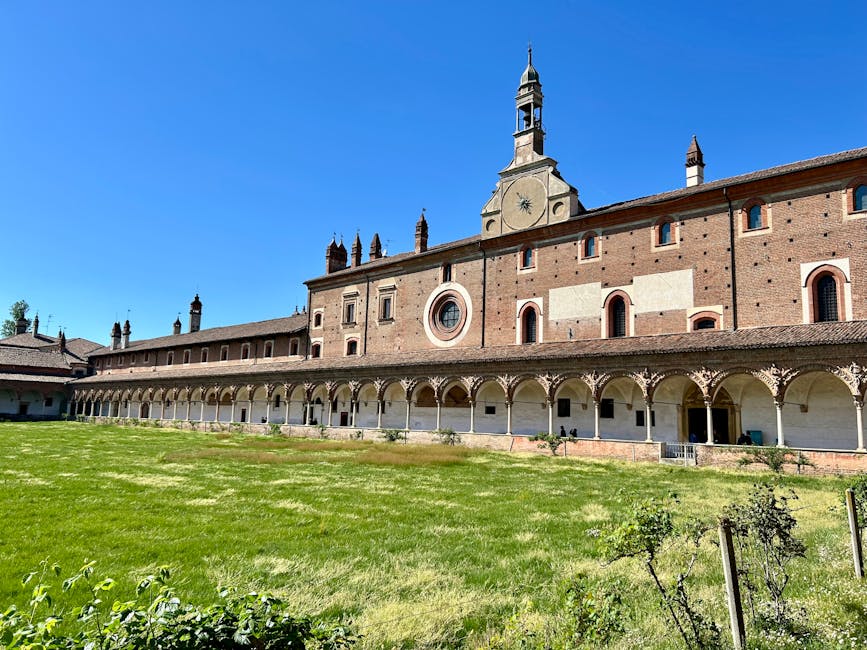
Architects, private residences and lookouts: where to spot contemporary design on Capri
Most of Capri’s contemporary villas are private properties; however, several homes and vantage points accessible from coastal paths and a handful of luxury hotels clearly show the modern aesthetic that has taken hold on the island. You’ll spot work by Italian and international architects who have married formal simplicity, local materials and discreet technology.
Villa Malaparte (visible from the coast) — although often associated with Capri in filmic imagery, Villa Malaparte’s most famous location is indeed on Capri at Capo Massullo and remains private and hard to access. Reference point for views from the sea: Punta Massullo (eastern area of the island). The best way to approach it is by boat from Marina Grande — many excursions circle the cliffs with photo stops. Price: boat tours around the island typically run €25–60 per person depending on duration and type of vessel. Tip: book a late-afternoon tour for slanting light on the façade and to avoid the hottest part of the day. 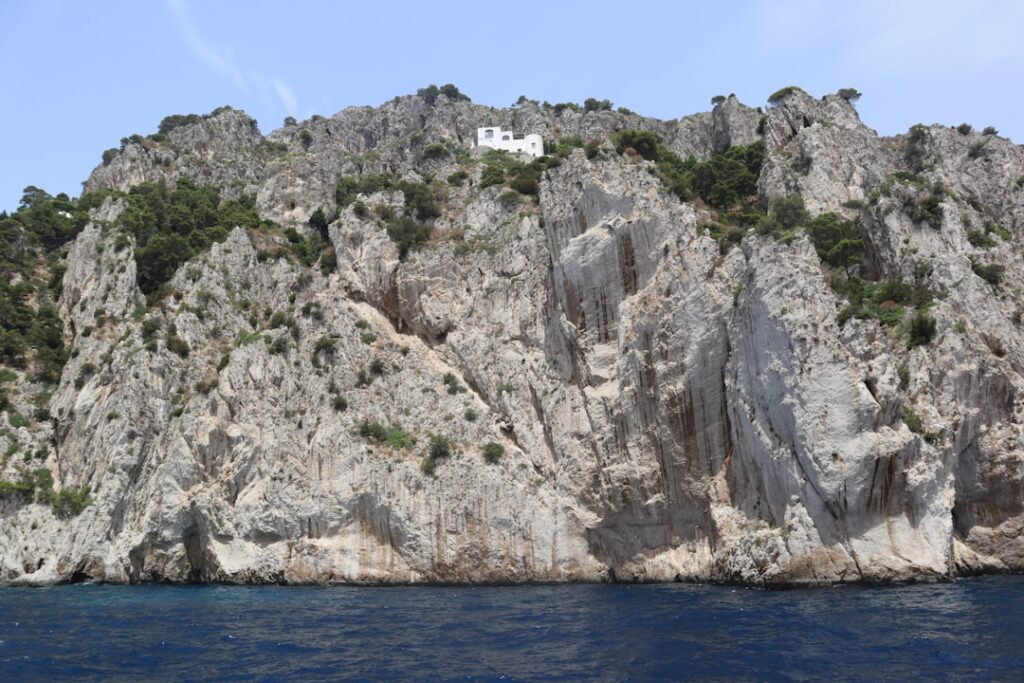
Contemporary residences along Via Tragara and Via Krupp — while exact addresses of private villas are generally withheld for privacy, walks along Via Tragara (accessible from the Piazzetta, Capri) and the famous Via Krupp (Via Matteo Camera, 80073 Capri NA) provide perfect frames to observe volumes, rooftop terraces and suspended pools. Via Krupp, known for its winding staircase carved into the cliff, has long been a photographic landmark for many design residences; the walk is dotted with views of the Faraglioni and hanging gardens. Access hours: Via Krupp is sometimes closed for safety reasons (check local authorities); it’s often open early morning and in the evening. 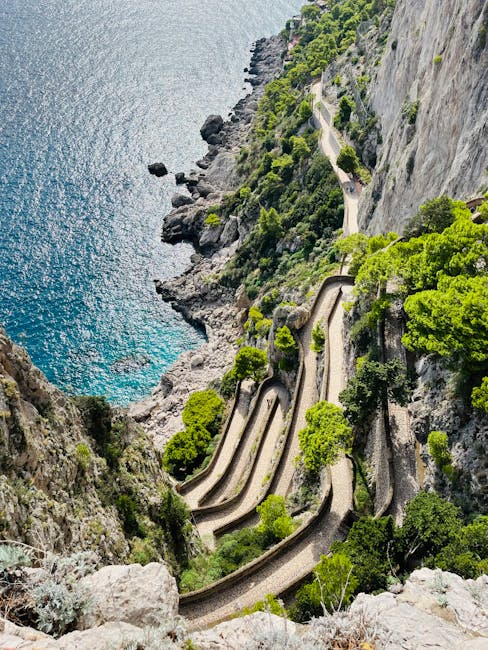
Boutique hotels and converted villas — several hotels like Hotel Caesar Augustus (Anacapri, Via Tuoro, 34, 80071 Anacapri NA) and the Capri Tiberio Palace (Via Croce, 5, 80073 Capri NA) showcase contemporary architecture seamlessly integrated into Capri’s fabric. Hotel Caesar Augustus address: Via Tuoro, 34, 80071 Anacapri NA — approximate rates for high-end rooms: €600–1500 / night in high season; reception 24/7; restaurant and outdoor spaces often open to the public with reservation. Capri Tiberio Palace address: Via Croce, 5, 80073 Capri NA — room rates: €400–1200 / night; reception 24/7; tip: book well in advance for July–August. These properties often offer guests tours of their gardens and rooftop terraces, letting you study design details up close: wide glass walls, integration of local stone, motorized sunshades and infinity pools that visually flow toward the sea. 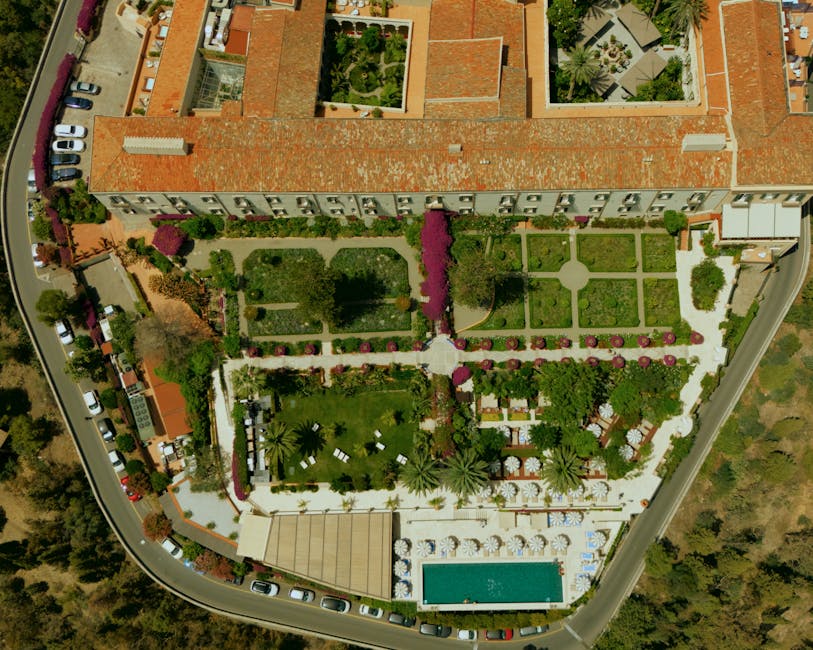
Materials, techniques and practical tips for visiting and photographing the villas
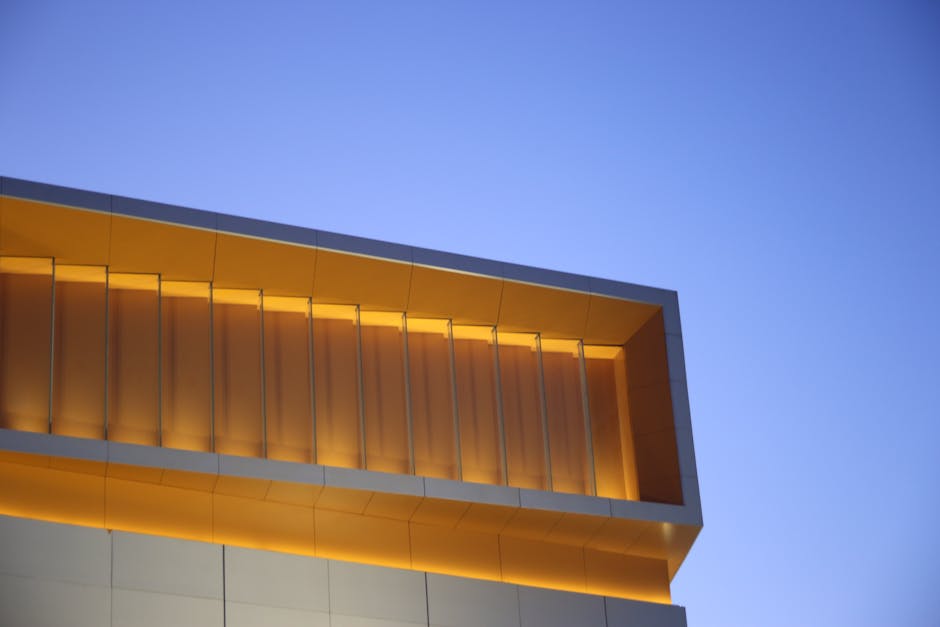
Understanding contemporary architecture on Capri means looking closely at the materials and techniques that define these villas. Local stone — pale limestone and travertine — dominates the palette, often paired with charred wood or stainless steel for joinery. White plaster, applied in traditional fashion, is frequently combined with large glass openings and technical fabric sunshades that modulate light without blocking the view.
Rooftop terraces play a central role: they become outdoor living rooms planted with agaves, dwarf olives and bougainvillea. Infinity pools, sometimes chosen for their color contrast with the stone, create the illusion of water extending into the Tyrrhenian. Technically, passive systems (orientation, natural ventilation, solar shading) are complemented by modern solutions: heat pumps, discreetly integrated solar panels and rainwater collection for garden irrigation. These choices form a sustainable aesthetic that also adds market value to a property.
Practical tips for visitors and photographers:
- Best times: Early morning (6:30–9:30) and late afternoon (16:30–19:30) for soft light and saturated colors; sunset for dramatic silhouettes.
- Gear: Closed shoes for steep trails, hat, water; a 70–200mm telephoto to isolate architectural details and a 16–35mm wide-angle for sweeping terrace views.
- Access: Many villas are private: respect private property and favor public viewpoints (coastal walks, boats, public gardens like Giardini di Augusto) for shooting.
- Bookings: To visit villa-hotels or join architecture tours, book at least 2–4 weeks in high season (July–August).
- Safety: some routes like Via Krupp can be closed for safety reasons; check the official Comune di Capri website or the local tourist office (Ufficio Informazioni Turistiche, Piazza Umberto I, 80073 Capri NA) for updates. Tourist office hours: often 9:00–18:00; contact: +39 081 837xxxx (verify locally).

Experiences and services related to villas: rentals, events and property purchases
Capri attracts an international clientele seeking exclusive experiences: luxury villa rentals, private weddings, film shoots and property purchases. Local agencies specializing in high-end real estate (e.g. Immobiliare Capri, professional offices on Via Camerelle) offer portfolios of contemporary properties and concierge services. Rental prices vary widely by season: in high season, a design villa with 4–6 bedrooms can reach €10,000–40,000 per week, sometimes more for iconic addresses with direct Faraglioni views.
If you’re thinking of buying, prices are among the highest in Italy. Top-tier properties renovated by contemporary architects often trade for several million euros. The process requires a notary (notaio), checks on landscape easements (protected zones around cliffs) and approval for expansions, which are often restricted by local authorities (Soprintendenza ai Beni Culturali e Paesaggistici). Tip: hire a local real estate lawyer and a lead architect to assess renovation feasibility, especially regarding coastal protection and water system regulations.
For private events (weddings, gala dinners), most high-end contemporary villas offer partnerships with local caterers (recommended Capri caterers: Da Paolino, tree-shaded restaurant; reservations required), scenic lighting systems and agreements with boat companies for private transfers from Naples (Marina Molo Beverello, Naples). Indicative starting price for an intimate villa wedding: from €20,000 all-inclusive (catering, rental, logistics); for larger events, plan budgets above €50,000 depending on suppliers. 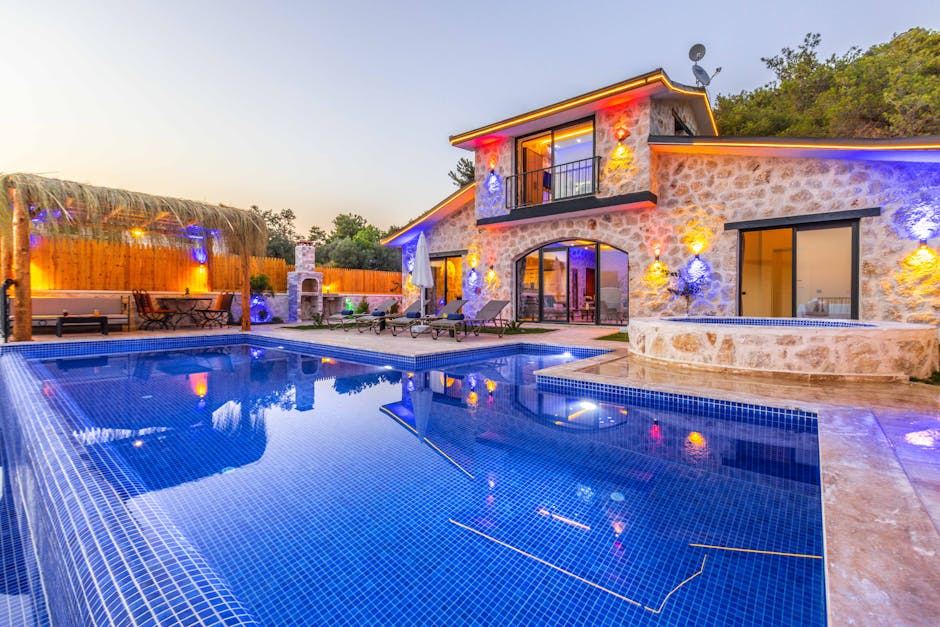
Recommended routes to experience Capri’s contemporary architecture
Here are three itineraries designed for different lengths and interests — contemplative, architectural and active — to help you locate, understand and photograph contemporary villas and their surroundings.
Contemplative route (half-day): Start at the Piazzetta (Piazza Umberto I, 80073 Capri NA) early morning; walk up to Via Tragara for Faraglioni panoramas; coffee break at Terrazza Tragara (Via Tragara); descend to the Giardini di Augusto (Via Matteotti, 80073 Capri NA) — public gardens usually open 9:00–19:00, admission around €1–3 — then continue along the coastal promenade to observe the private villas visible from the shore and study their volumes and rooftop terraces. Photo tip: use a polarizer to deepen the sea’s blues. 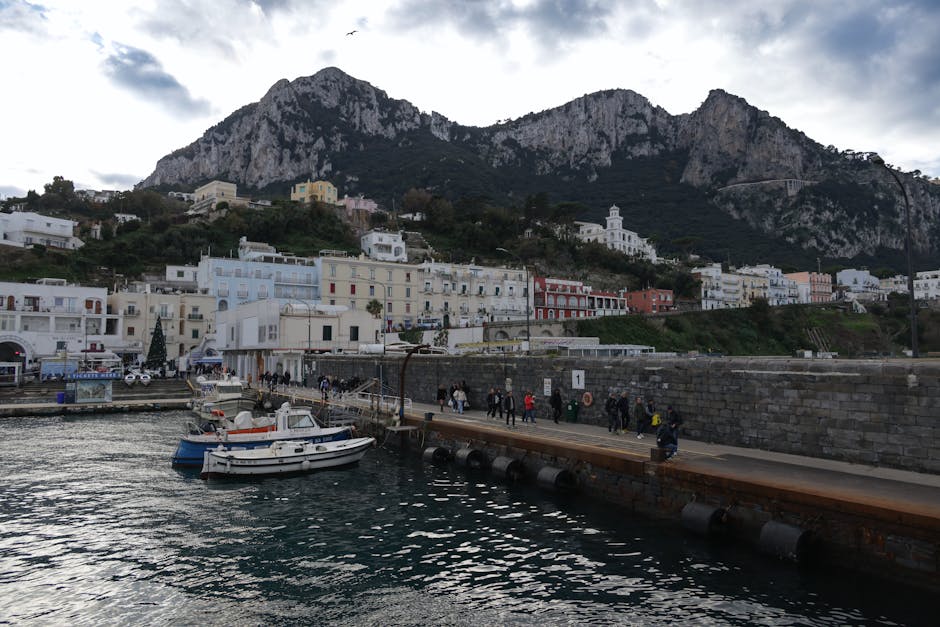
Architectural route (full day): Head to Anacapri (funicular or bus from the Piazzetta), visit Villa San Michele (Piazza Caprile, 1 — 9:00–19:00, about €8–10), climb Monte Solaro for distant frames, have lunch at Hotel Caesar Augustus (Via Tuoro, 34, reservation required), then return to the southern coast to view modern villas from the sea — book a private boat excursion (cost €250–600 depending on length and season). Use public terraces in late afternoon for backlit views.
Active route (2 days): Day 1: Fortini trail and coastal paths to spot contemporary villas tucked into cliffs; overnight in a boutique hotel like Capri Tiberio Palace (Via Croce, 5). Day 2: Boat tour with a stop at the Grotta Azzurra (Blue Grotto) — boat entry to the cave by rowboat approx. €14 + access fees from Marina Grande; afternoon reserved for local architects’ workshops if available (book ahead) and visits to local craft shops (Carrera workshops and ironwork studios to see details like contemporary railings and gates). 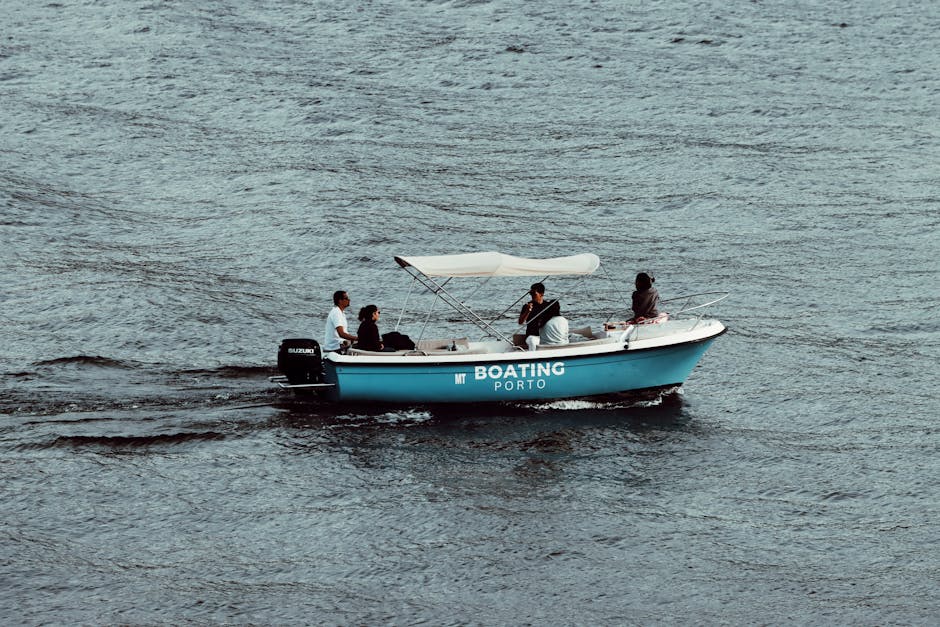
Conclusion: between tradition and modernity, Capri as a model of the reinvented villa
Capri exemplifies how contemporary architecture can sit sensitively within a historic and natural context without overwhelming it. The island’s design villas reflect an approach that prioritizes view, light and an intimate relationship with the sea over grandiosity of form. Local materials — stone, plaster, wood — are used with formal restraint that elevates the landscape. Modern technologies are discreet, serving comfort and sustainability: integrated solar panels, water recovery systems and natural ventilation are all features that define these exceptional residences.
For the visitor, whether an architect seeking inspiration or a curious traveler, Capri offers a rich, nuanced itinerary: historic gardens and villas open to the public, private residences visible from coastal walks and boat trips. The addresses mentioned, like Villa San Michele (Piazza Caprile, 1, Anacapri) or the Certosa di San Giacomo (Largo della Certosa), provide concrete anchor points to explore this architectural geography. Practical recommendations — indicative hours, fees, photography and travel tips — help you plan wisely to capture the delicate balance between heritage and innovation.
Finally, interest in Capri’s contemporary villas goes beyond mere aesthetic admiration: it raises current issues such as coastline management, landscape protection and sustainable building in fragile territories. Capri shows that modern architecture can be both ambitious and respectful, capable of offering domestic experiences deeply tied to the site, and that a thoughtfully designed contemporary villa can extend a place’s history rather than replace it. For anyone wanting to immerse themselves in this dynamic, the island remains a unique destination where every terrace offers a lesson in living close to the sea and time.