





Introduction
Capri, that legendary isle off the Amalfi Coast, has long drawn artists, writers and aristocrats seeking a natural setting where time seems to pause. Amid white cliffs, fragrant gardens and age-old villas, a number of period homes have been converted into luxury hotels — letting you literally sleep in history while enjoying modern comforts. These often-century-old properties retain original architectural details — frescoes, wood paneling, stone staircases, pergolas and terraced gardens — while reinventing themselves for a demanding international clientele.
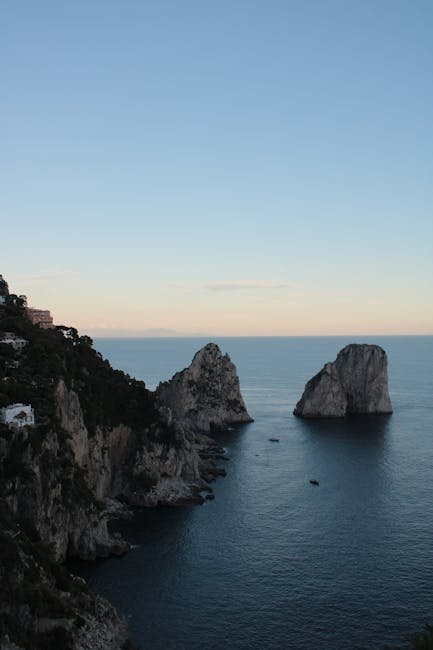
The very idea of staying in a historic villa on Capri is irresistible: it blends heritage, privacy and breathtaking Mediterranean views. Step through the gate of a villa-turned-hotel and you almost pass through a time portal. The floors tell stories, the rooms keep noble proportions, and the terraces frame views of the Faraglioni, Marina Piccola or the Bay of Naples. These places aren’t museums: they’re living spaces that welcome guests while honoring the spirit of the property. Local history is evident in the choice of materials and decorative motifs, and staff are often trained to tell the story and help preserve the site.
In this article we’ll look at how Capri’s architectural legacy has been turned into hotel experiences, highlighting a few emblematic addresses, their features, indicative price ranges and practical tips for planning a stay. We’ll also offer concrete advice for choosing a villa based on your priorities — privacy, panorama, sea access or cultural immersion. Finally, we’ll cover services commonly offered in these historic hotels — spas tucked into vaulted cellars, terraces planted with citrus trees, restaurants showcasing Caprese cuisine — and the must-see visits to pair with your stay.
Whether you’re a seeker of emotions, an architecture lover or a traveler after a romantic setting, staying in a period villa converted into a hotel on Capri promises a one-of-a-kind experience. Luxury here isn’t just ostentation: it’s memory, silence, light and detail. Prices reflect the care taken in restorations, the rarity of locations and the level of service. We’ll provide concrete reference points (addresses, indicative rates, opening hours) so you can plan your escape with peace of mind. Get ready to uncover vine-covered villas, intimate palaces and iconic lodgings where history meets modern design.
History and heritage: how Capri’s villas become hotels
Capri has been inhabited since antiquity: Roman remains, imperial villas and monasteries bear witness to its long past. In the 19th and early 20th centuries, the island became a playground for Europe’s elite, and many private residences — some abandoned after World War II — were bought and restored as boutique hotels. The main challenge in these conversions is twofold: preserving authenticity while meeting modern comfort and safety standards.
Keeping a villa’s soul means honoring original materials — terracotta tiles, marble, stucco and wrought iron — and restoring decorative features like frescoes, cornices and mosaics. On Capri, most renovations are overseen by conservation architects who coordinate with local authorities and heritage officials. Some villas open parts of the house to public use: reception salons, libraries or panoramic terraces accessible to guests and sometimes to outside visitors for cultural events.
Take a typical 19th-century villa: the ground floor once housed service rooms and kitchens and is now often converted into a restaurant or spa; the upper floors, with their intimate bedrooms and balconies, usually keep their original layouts. Terraced gardens planted with citrus, bougainvillea and hibiscus are treated as living spaces: centennial olive trees, pergolas and fountains are refurbished to recreate a Mediterranean atmosphere.
Administrative procedures for these conversions can be lengthy: building permits, approvals for facade changes and compliance with protected-zone regulations. But the outcome is worth the wait: hotels that aren’t modern replicas but places with a tangible history. Some properties lean into their past by offering private guided tours of gardens and historic rooms, or by hosting themed dinners with menus inspired by recipes passed down from the families who once lived there. When done respectfully, this staging of the past turns a stay into a full cultural experience.
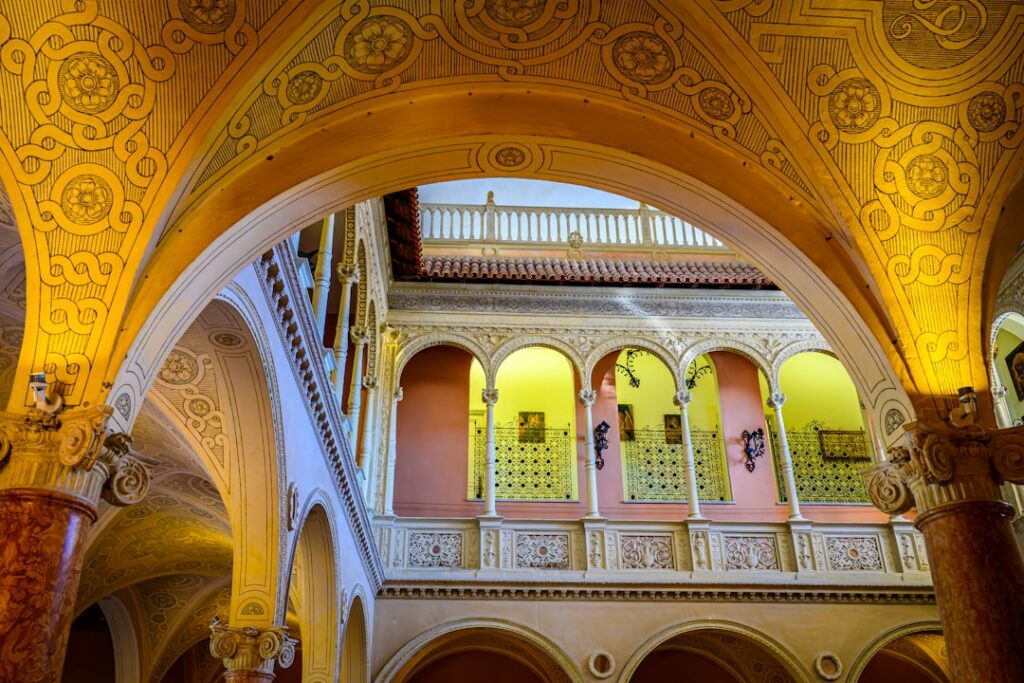
Palaces turned luxury hotels: standout addresses and practical info
On Capri, several hotels perfectly embody the fusion of period residence and contemporary hospitality. Here is a representative selection, with addresses, indicative price ranges and opening hours or access conditions. Prices are approximate and fluctuate with the season (high season: May–September).
- Hotel Punta Tragara — Via Tragara, 1, 80073 Capri NA, Italy. Indicative price: €450–€1,500/night depending on room type and season. Reception: 24h. Restaurant and bar: typically open 07:30–23:00, season permitting. The hotel occupies a renovated 19th-century villa, offering suites with direct views of the Faraglioni and terraces carved into the rock. Emphasis is placed on landscape integration, with lemon pergolas and exposed stone.
- JK Place Capri — Via Provinciale Marina Grande, 224, 80073 Capri NA, Italy. Indicative price: €600–€2,000/night. Reception: 24h. Restaurant “La Terrazza” usually open 12:30–22:30 (hours may vary). Set in an elegant residence overlooking the Bay of Marina Piccola, the hotel pairs contemporary Italian furnishings with historic proportions. Suites retain moldings and traditional floors, often complemented by marble bathtubs.
- Hotel Caesar Augustus — Via Tragara (Anacapri), 80071 Anacapri NA, Italy. Indicative price: €550–€1,800/night. Reception: 07:00–23:00 (continuous service available on request). Spa: 09:00–20:00. Housed in a former villa with panoramic views over the Bay of Naples and Vesuvius, its terraced gardens and infinity pool are key highlights. Note that access is sometimes via shuttle from Anacapri center.
- Relais Villa Margherita (example of small historic relais) — Via Camerelle, 10, 80073 Capri NA, Italy. Indicative price: €300–€900/night. Reception: 08:00–22:00. A small boutique hotel in a period house, offering just a handful of uniquely furnished rooms with antique textiles and objects. Its location near Via Camerelle makes it convenient for shops and cafés.
Each hotel usually offers private tours or a historical brochure on the property: construction history, notable owners, artistic anecdotes. Prices vary widely in high season and according to room location (sea view, private terrace, suites with pools). For bookings, favor official channels or reputable concierges, and always request written confirmation for transfers (shuttle, boat transfer) if arriving by ferry or helicopter.
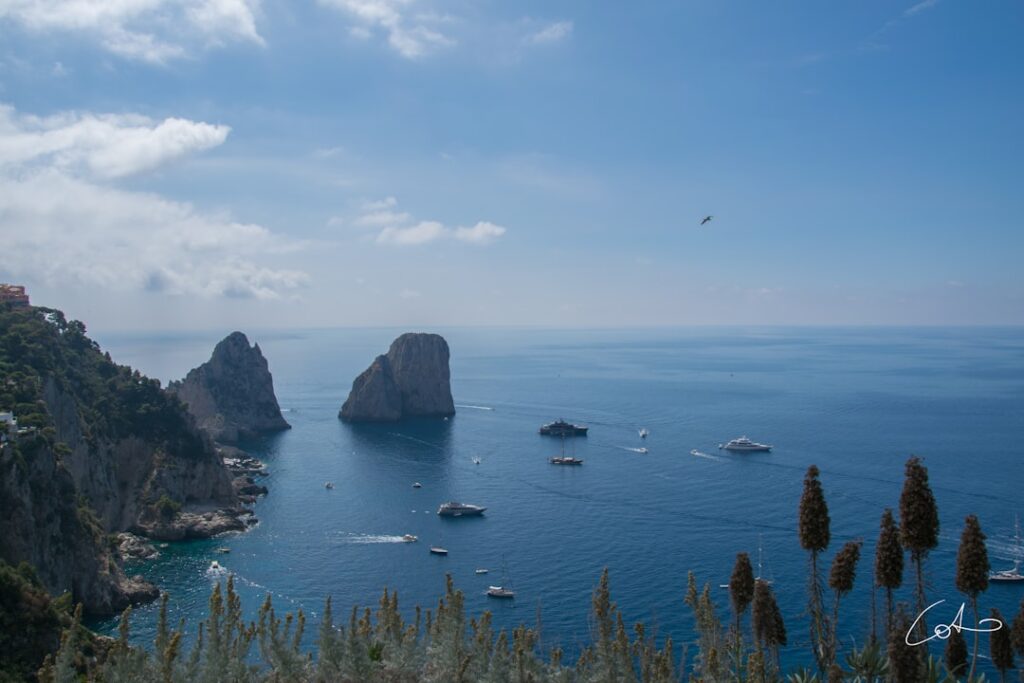
Guest experience: services, food and cultural activities
Staying in a period villa on Capri is more than sleeping in a pretty room: it’s living a narrative. Historic hotels use their spaces to offer services that extend the soul of the place. Expect breakfasts served beneath citrus pergolas, candlelit dinners on terraces and lounges hosting jazz or private recitals.
Cuisine is often a highlight: restaurants led by local chefs who reinterpret Caprese dishes using island produce — buffalo mozzarella, San Marzano tomatoes, capers and house-made limoncello. A typical menu at a historic hotel might include local seafood antipasti, spaghetti alle vongole, sea bream fillet with Capri olive oil, and lemon panna cotta. Restaurant hours vary: lunch commonly 12:30–14:30, dinner 19:30–22:30. Many venues accept outside reservations but may charge a cover fee when terraces are in high demand.
Ancillary services often include:
- 24/7 concierge arranging private boat trips, guided grotto and diving excursions.
- Spas set in vaulted cellars or former outbuildings, typically open 09:00–20:00.
- Transfers from Marina Grande port; times adjusted to ferry arrivals (often timed with ferry or hydrofoil schedules).
- Private guided visits to nearby monuments: Villa Jovis (Piazza Tiberio, archaeological site), Villa Lysis (Via Giuseppe Orlandi, 38, 80073 Capri NA — indicative hours 09:30–17:00), and boat excursions to the Grotta Azzurra (Blue Grotto) depending on sea conditions, generally 09:00–17:00.
Historic hotels pay close attention to privacy: few rooms, controlled garden access and often a discreet dress code for dinners. For travelers who want a deeper encounter with the past, some properties organize workshops (local cooking classes, citrus gardening lessons, sunrise photography sessions) and intimate concerts in historic salons.
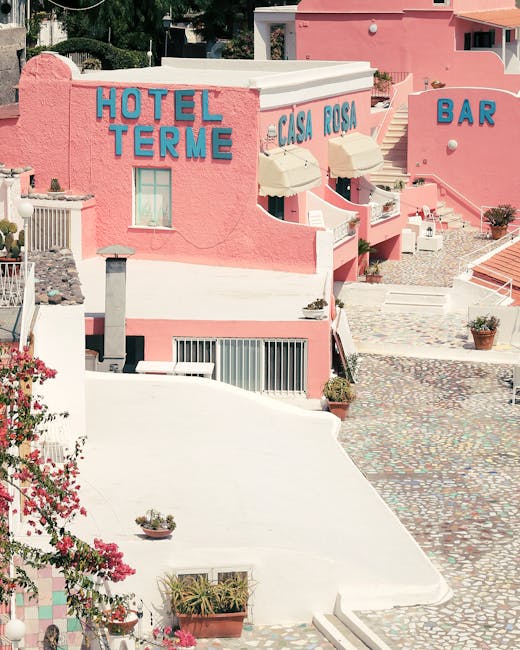
Practical tips for choosing and preparing your island stay
Booking a stay in a period villa requires a few precautions to make the most of the experience. First, choose according to your priorities: if you want the sea within easy reach, favor hotels near Marina Grande or Marina Piccola; for sweeping panoramas and tranquility, Anacapri properties are often preferable. Always check room sizes: historic buildings sometimes have smaller rooms than modern standards, but make up for it with charm and terraces.
Transport and access: arrivals are usually by ferry or hydrofoil to Marina Grande (from Naples, Sorrento and Positano). Some hotels offer private boat or taxi transfers from the port. Check ferry timetables in advance (weather and crowding are common causes of delay). Aim to arrive early afternoon to make the most of your first sunset over the Faraglioni.
Reservations: in high season (May–September), historic hotels book up fast. Reserve at least 2–3 months ahead and request written confirmation for any services you need (transfers, restaurant tables, treatments). If you require a baby cot, accessible facilities or a quiet room, specify this at booking — not every period villa can provide elevators or ramps.
Budget: plan a total budget including accommodation (€300–€2,000/night depending on the property), restaurant meals (€50–€150/person for dinner), boat excursions (€100–€500 for a private half-day), and possible entrance fees to sites (e.g., Villa Jovis, entry often around €4–€9 for archaeological sites). Tipping isn’t mandatory but appreciated: 5–10% at restaurants, and €5–€10 per transfer for exceptional service.
Local tips: bring shoes suitable for cobblestones (non-slip soles), a light jacket for breezy terrace evenings and a European plug adapter. Respect local quiet hours and possible siesta times, especially in residential neighborhoods. Finally, favor local products and artisans for authentic souvenirs: hand-painted ceramics, artisanal limoncello and lemon-scented soaps.
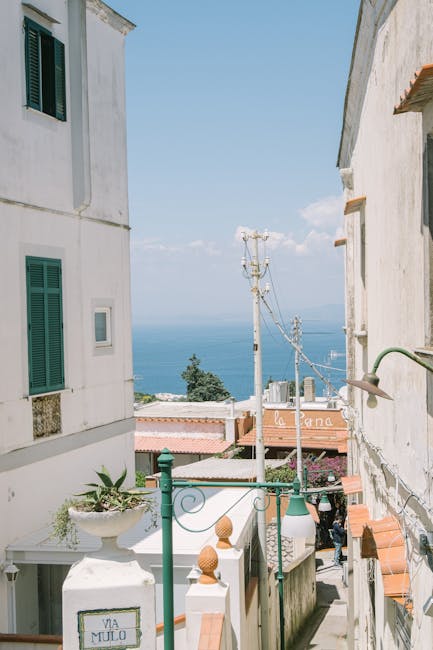
Conclusion
Period villas converted into hotels on Capri offer a unique experience where history and modern comfort coexist harmoniously. They narrate the island through stone, citrus gardens and sea panoramas, while providing high-end services — spas, gourmet restaurants, expert concierges and private excursions. Choosing one of these addresses means slowing down, exploring architectural heritage and letting yourself be lulled by the particular Mediterranean light.
To prepare your stay, gather precise information about the hotel’s location (Marina Grande, Marina Piccola, Capri town center or Anacapri), access conditions (shuttle, private boat) and included services. Book early in high season and request written confirmations to avoid surprises. During your visit, enjoy the gardens, terraces and salons: these spaces are often the best places to feel the property’s soul. Finally, let yourself be won over by the small details — a restored fresco on a stairwell, a centennial lemon tree on a terrace or the soft sound of waves at night — because they’re what will turn a trip into a true historical immersion.
In short, sleeping in a period villa on Capri is a promise: to live history, taste the Mediterranean and leave with memories steeped in light, citrus scent and an almost aristocratic calm. For the modern traveler, it’s the perfect balance between heritage-driven emotion and contemporary luxury.