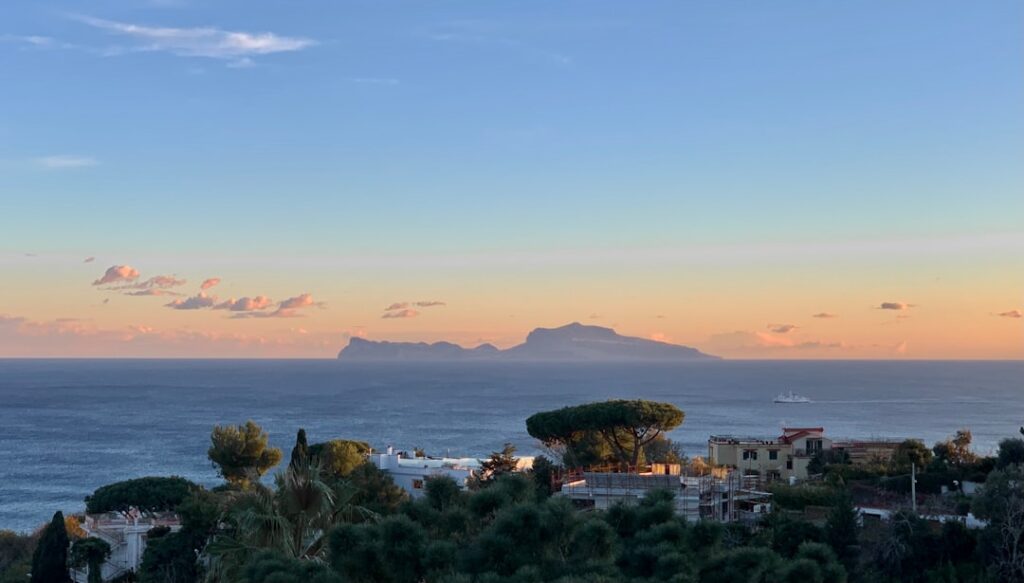
Introduction — Capri, between azure sea and Mediterranean gardens
Capri instantly conjures images of brilliant light, chalky cliffs, the deep blues of the Mediterranean and a refined way of life. Beyond the upscale boutiques of the Piazzetta and the famous sea caves, the island hides a less showy yet equally enchanting heritage: historic villas and private residences framed by lush Mediterranean gardens. In these spaces — where bougainvillea, hibiscus, citrus trees, laurels and cypresses mingle — you’ll find a sensory refuge for anyone seeking serenity without sacrificing elegance. Whether antique, neoclassical or modernist, Capri’s villas benefit from a unique microclimate: mild winters, sun-drenched summers and marine breezes scented with citrus and wild herbs.
In this guide we explore Capri through the lens of villas with Mediterranean gardens — properties you can rent for a dream holiday or simply use as inspiration for your next landscaping project. We cover rental villas, historic estates open to the public and remarkable private gardens you can admire from accessible viewpoints. Each listing includes practical details: exact address, price range in euros, opening hours for public sites, immersive descriptions and local tips to help you make the most of a garden, terrace or pool.
Whether you’re planning a romantic escape, a family stay or a gathering of friends, these villas offer diverse atmospheres: terraces overlooking the Faraglioni, shady courtyards draped in vine trellises, terraced gardens planted with century-old olive trees, and contemporary spaces where interior design dialogues with vegetation. We’ll also give practical advice on the best seasons to visit (May–June and September–October offer splendid blooms and fewer crowds), how to book, access options (boat, hydrofoil, local taxi), and tips for respecting the island’s fragile environment. Expect culinary suggestions tied to the garden: Capri dishes built around tomatoes, basil, buffalo mozzarella and homemade limoncello.
Dive with us into a detailed — visual and practical — exploration of Capri villas where Mediterranean gardens turn every stay into a sensory and inspiring experience. We’ll pepper the narrative with visual cues designed to help you imagine each scene and spot the best photographic angles when you visit.
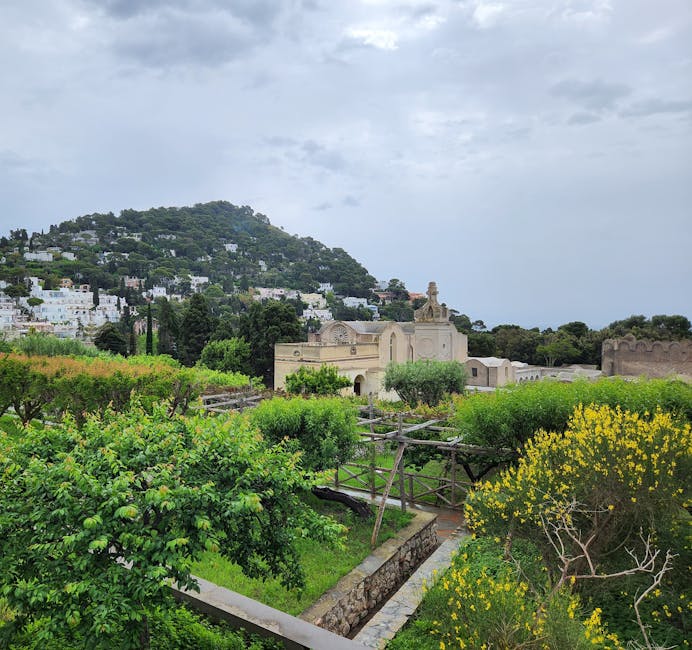
Villa San Michele — Anacapri: museum, exotic garden and sweeping views
Address and access: Museo Villa San Michele, Via Capodimonte 2, 80071 Anacapri NA, Italy. Perched above Anacapri, Villa San Michele opens onto a spectacular panorama of the Gulf of Naples, Mount Vesuvius and the town of Sorrento. Built by Axel Munthe at the end of the 19th century, it now operates as a museum and botanical garden. The entrance path is lined with Mediterranean and exotic species that Munthe carefully introduced — agaves, opuntias and lemon trees — creating a garden of contrasts between typical Mediterranean flora and rare plants brought back from his travels.
Hours and prices: Open daily except local public holidays. Typical hours: 9:00–19:00 (March–October), 9:00–17:00 (November–February); it’s recommended to check official hours before visiting. Indicative admission: €10–14 for adults (discounts for students and seniors). Guided tours in English and Italian run at fixed times; book in high season. Note that some areas may be restricted for conservation reasons.
Immersive description: The Villa San Michele experience alternates richly decorated museum rooms with terraces that face the sea. The garden is terraced and connected by stone steps, with open balconies and pergolas covered in bougainvillea. The floral air, the distant sound of lapping waves and the sweet scent of lemon trees create an almost meditative atmosphere. Stone benches invite you to pause and watch islets and sailboats glide offshore. The collections house antiques, sculptures and personal mementos of Axel Munthe, while the garden showcases a dialogue between botany and architecture.
Practical tips: Arrive early to avoid afternoon tour groups and to capture the best light for photos. Wear comfortable shoes — paths are steep and sometimes cobbled. Bring water — there’s a small café-shop on site but it may be closed out of season. If you want a more private experience, book a specialized guided tour (for example, focusing on the villa’s history and botany). From the Piazzetta or Marina Grande, expect a 15–25 minute taxi ride or a 20–30 minute bus trip to Anacapri; traffic can be heavy in summer.
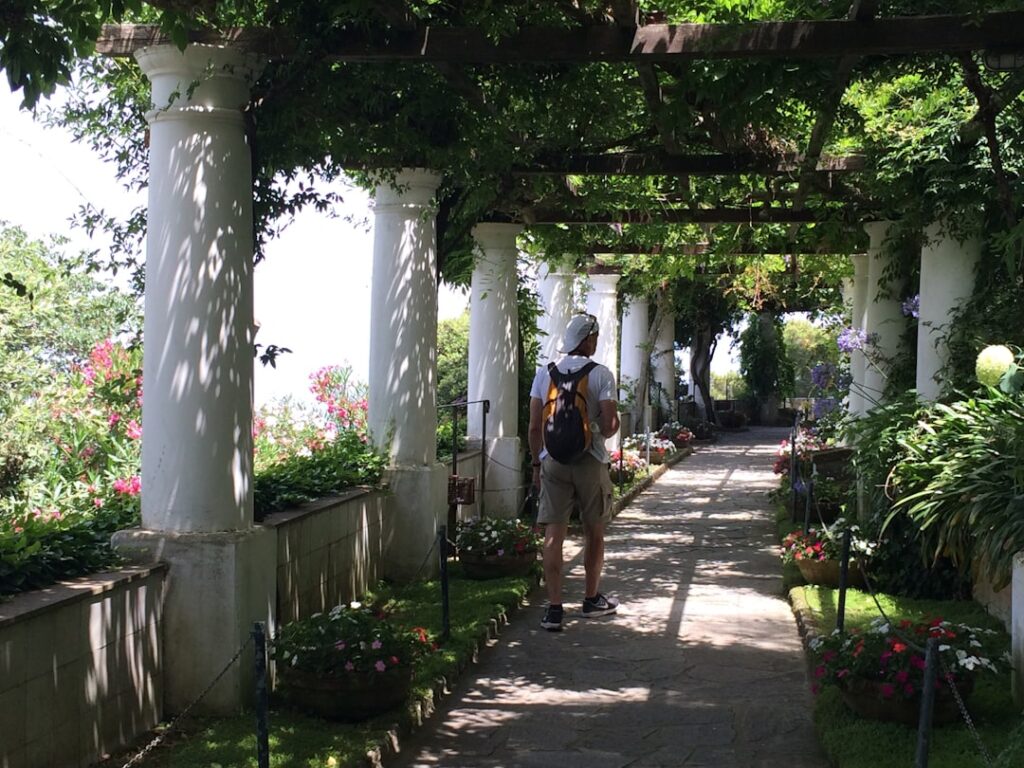
Villa Lysis — Capri village: an intimate garden and Art Deco flair
Address and access: Villa Lysis, Via Mulo 2, 80073 Capri NA, Italy. Nestled near Villa Jovis and the Belvedere di Tragara, Villa Lysis blends Art Nouveau and Art Deco architecture and is famed for its interiors and intimate garden overlooking the sea. Built in the early 20th century by French industrialist Fausto Cigliano for the writer Jacques d’Adelswärd-Fersen, the villa carries a bohemian, slightly melancholic air, enhanced by a small terraced garden planted with dwarf palms, laurels and succulents.
Hours and prices: Villa Lysis is a cultural site with hours that vary by season and events. Indicative hours: 10:00–13:00 and 15:30–18:30 (high season); it may be closed for private events on certain days. Approximate admission: €6–10 (reduced rates for students, free for certain ages). Always check the local program: temporary exhibitions or cultural events (concerts, readings) can affect access.
Immersive description: Access is via a stone staircase that opens onto a shaded courtyard. The garden is compact but thoughtfully arranged: rose-covered trellises, agave clusters and beds of aromatic herbs like thyme and rosemary perfume the air. Small balustrades frame precious sea views and offer sightlines to the Faraglioni in the distance. Inside, period details remain — mosaics, antique furnishings and softly toned rooms — amplifying the sense of intimacy and travel.
Practical tips: Book your visit at least 48 hours in advance during high season, as the villa may be reserved for private events. The site is beautiful at dusk: low light highlights the textures of stone and foliage. From the Piazzetta, allow 10–15 minutes on foot toward the Belvedere di Tragara, then a short path down to the villa. Wear slip-resistant shoes and bring a hat in summer — sunny spots are plentiful.
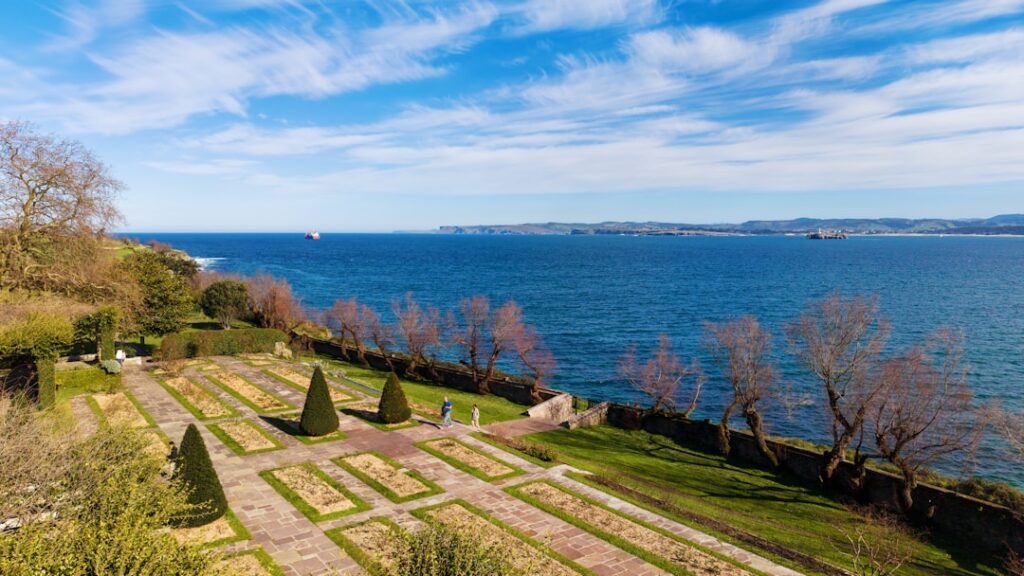
Private villas for rent — sample properties with Mediterranean gardens
Capri offers an exclusive selection of private villas for rent, often through reputable agencies like Capri Tiberio Palace Rentals, Italianway or Luxury Retreats. Below are three typical examples of properties available seasonally, with indicative addresses, price ranges and detailed descriptions to help you choose according to your needs.
- Villa Terrazzina — Address: Via Tragara 44 (private property, seasonal rental via agency), 80073 Capri NA. Price: €1,200–3,500/night depending on season and number of bedrooms. Description: large panoramic terrace facing the Faraglioni, terraced garden planted with olive trees and laurels, heated infinity pool (seasonal), classic Capri interior with light tiled floors and exposed beams. Sleeps 6–10. Tips: book 6–12 months ahead for July–August, request a private chef service and arrange a private boat transfer from Marina Grande.
- Villa Mediterranea — Address: Via Federico Serena 18 (private property, rental via agency), 80073 Capri NA. Price: €800–2,200/night. Description: terraced aromatic garden (basil, thyme, lemon trees), shaded patio for lunches, walking distance to the Piazzetta (10 minutes). Modern interior, large glass doors and designer furniture. Tips: great for families with children; check for an elevator if mobility is a concern.
- Villa Le Rosse — Address: Via Matermania 7 (private property), 80073 Capri NA. Price: €2,000–5,000/night. Description: restored historic home turned luxury villa, landscaped Mediterranean garden with pergola, barbecue corner and lounge area, views over Marina Piccola bay. Possible included services: housekeeper, private chef, chauffeur. Tips: request a late boat check-in if arriving from Naples late at night; check the pet policy if you plan to bring a dog.
General rental notes: most villas charge extra fees (cleaning, linens, energy consumption) and require a security deposit. Prices vary dramatically by period: peak rates in July–August and around local festivals. A tourist tax may apply. If you plan to work remotely, confirm a reliable internet connection and ask about parking or shuttle services from Marina Grande — many villas are reachable only by steps or narrow pedestrian lanes.
Mediterranean gardens: plants, maintenance and typical layouts in Capri
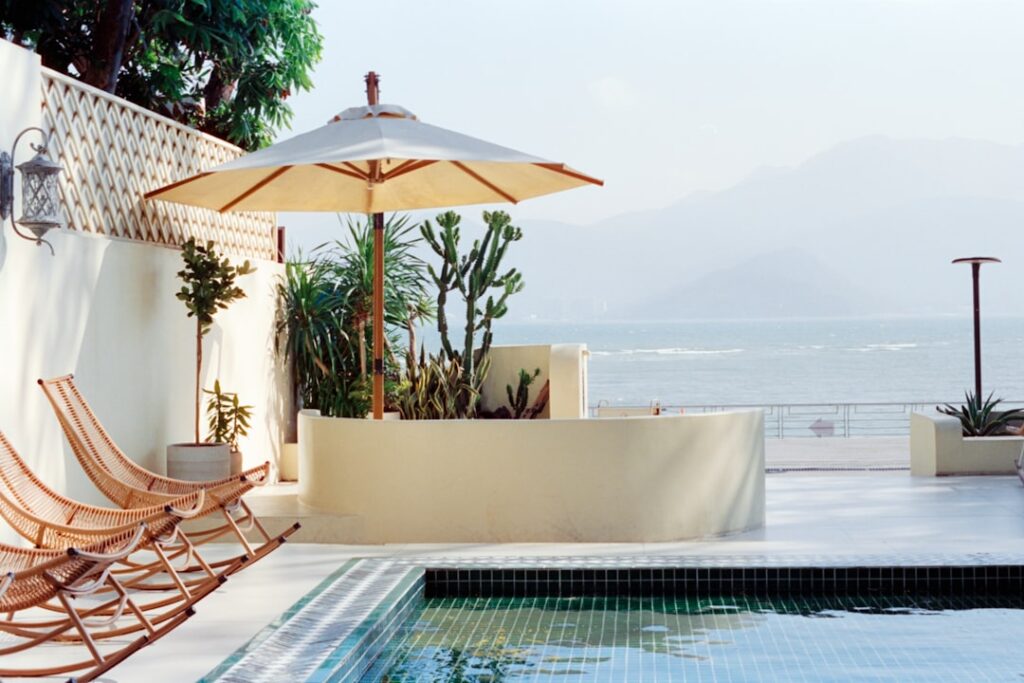
Capri gardens follow a characteristic plant palette: citrus trees (Citrus limon, Citrus sinensis), bougainvillea (Bougainvillea spectabilis), oleanders (Nerium oleander), agaves, cacti, cherry laurels, jasmine, rosemary, thyme, lavender and olive trees. These species are adapted to limestone soils, salty sea winds and summer drought. Capri gardens are often terraced (restanques), held by dry-stone walls to retain soil and create microclimates where plants thrive despite steep slopes.
Maintenance: the main challenges are water management and protection from salt-laden winds. Drip irrigation systems are preferred to save water and avoid runoff. Citrus trees need regular feeding and preventive treatments for scale insects and aphids. Pergolas and trellises, often covered in vines or bougainvillea, provide shade and freshness; they require an annual pruning, usually in spring after the last light frosts. Best planting seasons are autumn and spring, when temperatures are moderate.
Typical features: Capri villas commonly combine stone-paved patios, decorative mosaics, wall fountains for cooling, and outdoor dining areas. Stone walls and ochre or whitewashed facades serve as backdrops for vegetation, while the landscape design plays with topography to create framed views. For an authentic Capri garden, favor native species, limit thirsty lawns and incorporate shaded areas for the hottest hours of summer.
Practical tips for owners or renters: install soft, indirect lighting to enjoy evenings, consider window screens if you keep windows open at night, and have a basic gardening kit on hand (pruning shears, gloves, organic fertilizer). If you’re renting, ask the owner or agency how often the garden is maintained and whether a gardener is on site; that ensures the garden stays neat during your stay.
Activities and experiences around the villas — wellness, tastings and excursions
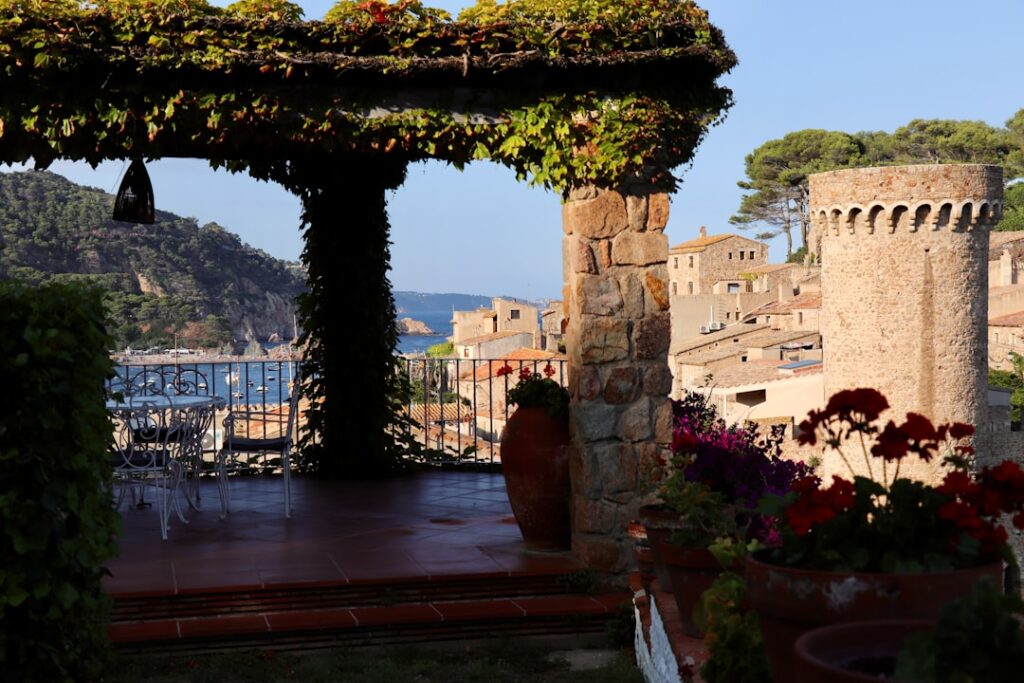
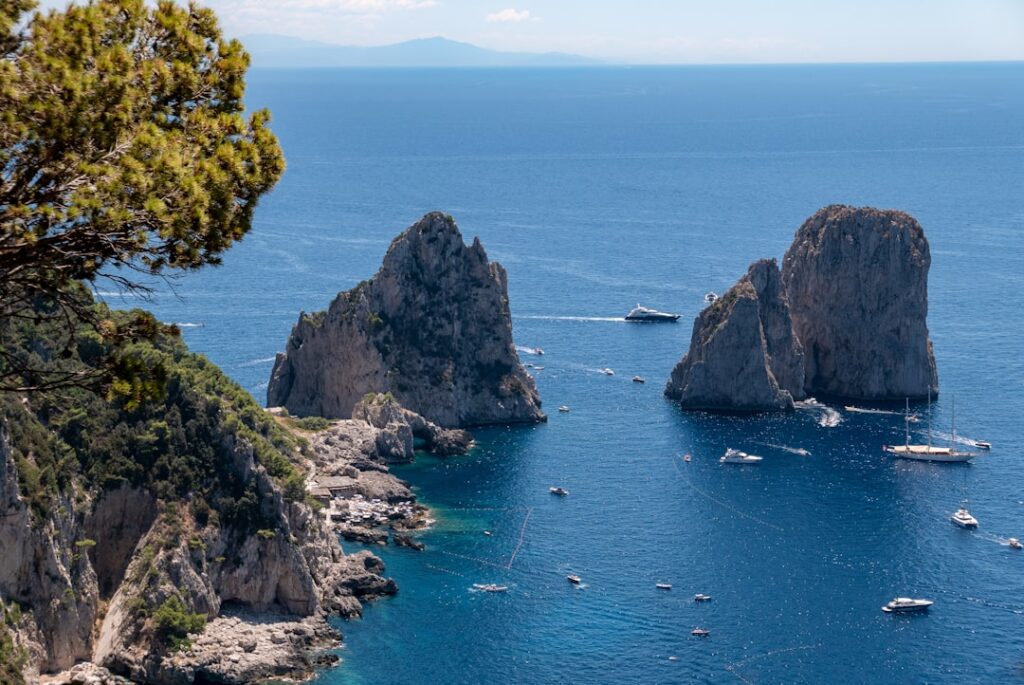
While staying in a Capri villa, activities round out the garden experience: cooking classes that use garden produce, tastings of homemade limoncello, sunrise terrace yoga, open-air massages and guided botanical walks. Local providers offer private boat excursions (captain and crew included) to the Blue Grotto (Grotta Azzurra), the Faraglioni, the Green Grotto and coves accessible only by sea. Some villas partner with local chefs to organize gourmet dinners featuring buffalo mozzarella, San Marzano tomatoes, fresh basil and grilled fish.
Concrete examples: book a morning with an Anacapri botanical guide to learn the history of Villa San Michele’s garden, or arrange a private yoga session at sunrise on a villa terrace in Tragara. For a sea-focused afternoon, opt for a half-day in a gozzo (traditional wooden boat) from Marina Grande — typical private excursions cost €40–60 per person for 3–4 hours depending on negotiation and season.
Practical tips: always negotiate prices for excursions when booking outside official agencies, but prioritize recommended captains for safety at sea. For culinary experiences, report allergies and dietary restrictions in advance. In high season, lock in chef or massage services at least 2–3 weeks before arrival. Finally, respect local conservation rules: some coves and marine areas are protected and anchoring or touching fragile rock formations is prohibited.
Practical tips for organizing your stay: logistics, seasons and budget
How to plan a stay in a villa with a Mediterranean garden in Capri? Start by choosing the period: May–June and September–October are ideal — fewer crowds, pleasant temperatures and abundant blooms. July–August are the busiest months and prices can double or triple: prepare for a high budget and book very early. Winter months (November–February) are quieter and sometimes cheaper, but some services and restaurants may close.
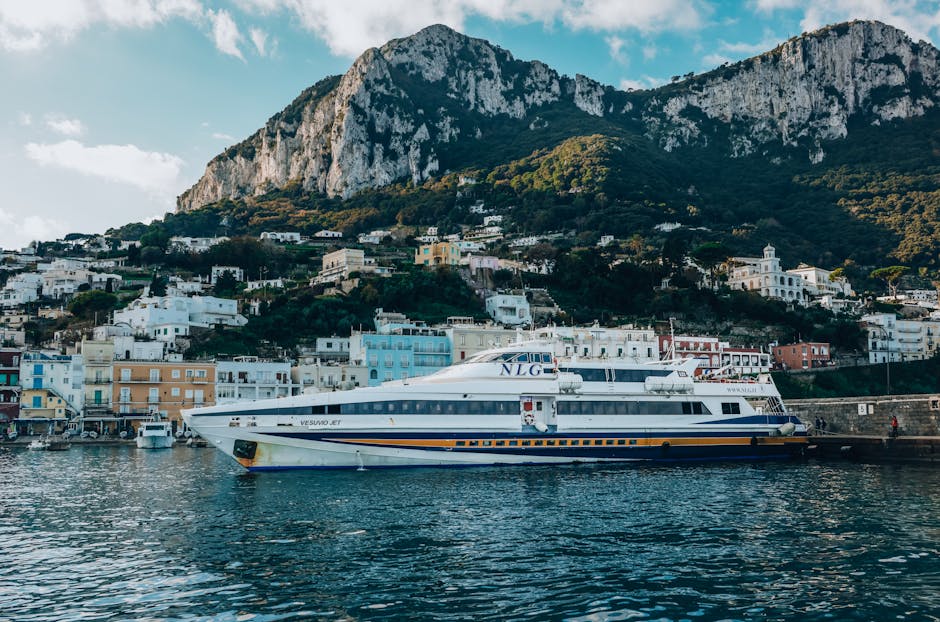
Transport: most visitors arrive by ferry or hydrofoil from Naples (Molo Beverello) or Sorrento (Marina Piccola / Marina Grande). Ferry tickets range from €15 to €30 per trip depending on boat type and season. From Naples airport, allow 45–90 minutes to reach the port and then 40–60 minutes by boat. On the island, favor taxis and local buses (Capri–Anacapri). Many villas require a private transfer, sometimes arranged by the agency or owner — expect €60–120 for a private transfer from the port depending on distance and vehicle.
Budget: beyond the villa rate (which can range from €800 to €5,000/night depending on level), add these costs: final cleaning (€100–500), electricity/consumables (depending on use), security deposit (usually refundable), local taxes and additional services (chef, gardener, transfers). For a weeklong stay for 6 people in high season, a realistic total budget can range from €8,000 to €35,000 all-in.
Bookings and contracts: read the contract carefully: cancellation policies, travel insurance, inventory, actual villa capacity, etc. Request recent photos and recent reviews from previous renters. For family stays, check stroller accessibility and pool safety. Finally, respect local noise and outdoor-use rules: Capri is an island where tranquility and neighborly consideration are essential.
Conclusion — A sensory journey through Capri’s gardens
Capri is more than dramatic seascapes and luxury shopping: it’s a place where villas and their Mediterranean gardens are central to the island experience. From a garden-museum like Villa San Michele to the bohemian charm of Villa Lysis or a private luxury villa with pools and pergolas, each property tells a story that blends heritage, botany and lifestyle. Capri’s gardens, shaped by centuries of human habitation, provide unforgettable olfactory and visual interludes — lemon trees, bougainvillea, laurels and olives compose an evocative aromatic palette.
To get the most from your visit, plan around the season, book ahead, and remember the island also reveals itself outside peak hours: sunrise and sunset bring unique light over the Faraglioni and villa terraces. Immerse yourself in local experiences — cooking classes, botanical walks, boat trips — to connect Capri’s cuisine with its gardens. And above all, help preserve these fragile spaces: respect local regulations, avoid picking protected plants and support local providers who care for the island’s gardens.
Whether you’re chasing the luxury of a private villa or the poetry of a garden-museum, Capri offers places that turn a short getaway into a memorable stay rooted in the gentle Mediterranean climate and the Italian art of living. Use these tips and addresses as a starting point to craft your Capri itinerary, and let yourself be inspired by the meeting of architecture, vegetation and sea that makes every villa a dream retreat.