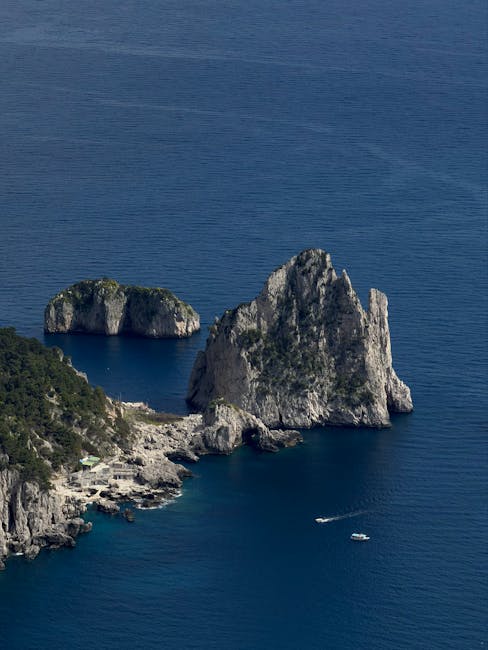
Introduction — Sustainable Luxury in Capri: where elegance meets conscience
Capri, the legendary isle in the Bay of Naples, immediately conjures images of glamour, cliffs plunging into azure seas, lavish villas and high‑end boutiques. Yet beneath the veneer of ultra‑luxury a clear trend is emerging: eco‑chic accommodations that marry five‑star comfort with environmental responsibility. These places are redefining luxury — controlled energy use, local materials, edible gardens, wastewater treatment and waste‑reduction programs — without sacrificing design, breathtaking views or gastronomy.
In this introduction I’ll set the scene: why sustainable tourism makes so much sense in Capri, what modern travelers expect, and how to spot an accommodation that’s truly eco‑responsible. Capri is small but heavily visited — pressure on freshwater resources, waste management and coastal conservation are real issues. Hotels and villas that adopt sustainable solutions play a vital role in limiting that impact while still offering a refined experience. The savvy traveler no longer wants just a comfy bed and a pretty pool; they look for locally sourced breakfast items, certified textiles, thoughtfully placed LED lighting, landscape rehabilitation initiatives and activities that celebrate island culture without exploiting it.
Practically speaking, recognizing an “eco‑chic” place in Capri involves checking several criteria: certifications or local endorsements (European eco‑labels or Campania regional initiatives), solar or thermal hot water systems, photovoltaic panels, rainwater harvesting for irrigation, composting of organic waste, menus based on local fishing and agriculture, and services designed to minimize car travel — electric shuttles, bikes, or sailboat transfers. Style matters too: contemporary design using local stone, chestnut timber or artisanal ceramics, planted terraces and discreet tech integration so that sustainability feels like an added comfort rather than a constraint.
In the sections that follow, I’ll guide you through concrete examples of eco‑chic accommodations in Capri, with addresses, price ranges, opening hours or house policies, plus practical tips for enjoying the island sustainably. You’ll also find suggestions for eco‑friendly activities and local tricks to shrink your footprint while making the most of Capri’s natural and cultural treasures.
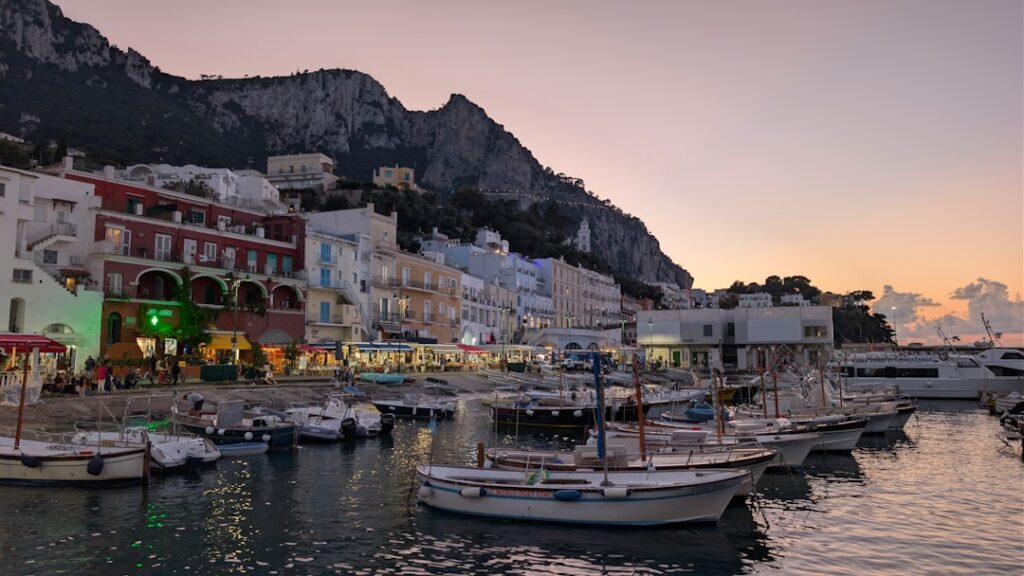
Capri Palace Jumeirah (Anacapri) — design, art and green initiatives
The Capri Palace Jumeirah, located in Anacapri, is one of the best examples of luxury hospitality committed to reducing its footprint. Address: Via Capodimonte, 2, 80071 Anacapri NA, Italy. The property offers 71 rooms and suites, a renowned spa (Jewel SPA), an integrated art gallery and refined cuisine. Management has implemented concrete measures: high‑efficiency heating systems, smart water management, recycling programs and sourcing fresh produce from the region. Breakfast highlights jams and cheeses from Campania producers, and the restaurant features menus centered on local fish and vegetables grown on the island.
Price: from €350 to €1,200 per night depending on season and room category (indicative rates, subject to change). Hours: reception 24/7; check‑in from 15:00, check‑out at 12:00. Spa: open 09:00–20:00 (by appointment). Eco services: waste sorting, biodegradable toiletries, LED lighting in common areas, minimizing single‑use plastics and partnerships with local producers to cut food miles.
Immersive description: imagine a summer morning on the Capri Palace terrace, the Anacapri breeze scented with rosemary, a platter of regional cheeses and warm bread. The building’s clean lines sit in harmony with Mediterranean gardens, where aromatic plants serve both the kitchen and wellness treatments. Rooms use European certified textiles and large picture windows offer views of the Gulf of Naples, fitted with low‑emissivity glazing to reduce air‑conditioning needs.
Local practical tips: to reach Anacapri from Marina Grande, favor the local bus or the hotel shuttle instead of private taxis. Book spa treatments outside peak hours for a quieter experience and to take advantage of eco‑packages often offered in low season. If you want to shrink your impact further, request the “limited housekeeping” option and benefit from a small discount on laundry services.
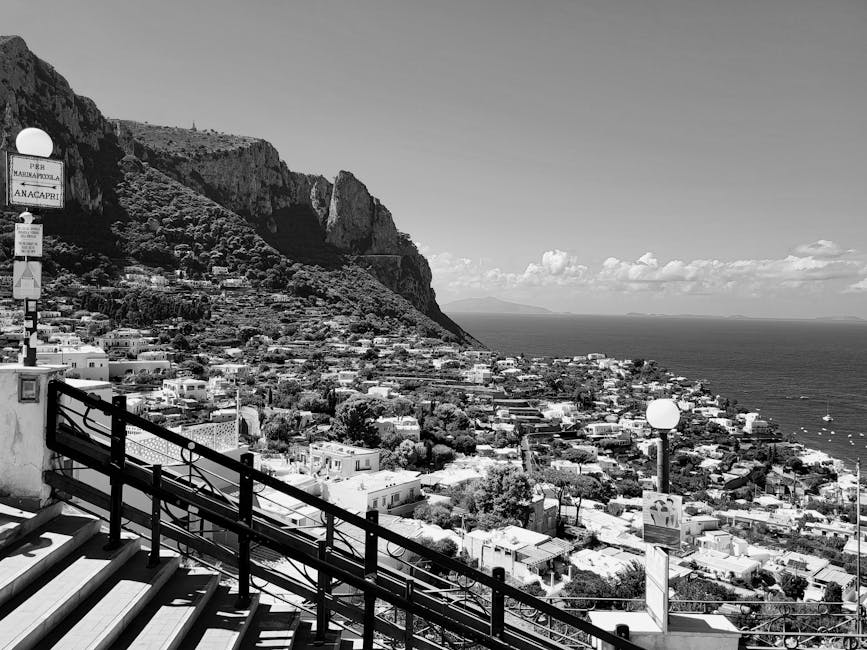
JK Place Capri and Punta Tragara — minimalist charm and sustainable management
Two other must‑stay addresses show how contemporary luxury can be sustainable: JK Place Capri and Hotel Punta Tragara. JK Place Capri is located at Via Provinciale Marina Grande, 225, 80073 Capri NA, Italy. Known for its warm interiors and personalized service, the hotel incorporates discreet sustainable practices: plastic‑free welcome amenities, food waste reduction and partnerships with local fishermen to supply the kitchen.
Price for JK Place Capri: from €400 per night in low season, often higher in high season (indicative rates). Hours: reception 24/7, breakfast typically served 07:30–10:30, restaurant open for dinner seasonally (check availability). Tip: book a room with a Marina Grande view to catch natural cross‑breezes and reduce the need for air conditioning.
Hotel Punta Tragara, address: Via Tragara, 26, 80073 Capri NA, Italy, is famous for its terraces overlooking the Faraglioni. The hotel focuses on energy savings through architecture that maximizes natural ventilation and uses local stone for insulation. Light colors and pergola shade reduce cooling demand. Punta Tragara also offers low‑consumption sailing boat excursions and supports coastal cleanup programs.
Price for Punta Tragara: €300 to €900 per night depending on season and room category (indicative rates). Hours: reception 24/7; check‑in 15:00; restaurant and pool access are seasonal (check openings in low season). Immersive description: sink into a sun lounger facing the Faraglioni at sunset, sipping a cocktail made with coastal citrus and garden herbs, while energy‑efficient night lighting gently illuminates the paths. The result is intimate luxury, aimed at preserving the landscape.
Practical tips: for transfers from Naples airport, opt for shared shuttle services or ferry + funicular rather than a private limousine. Ask for “zero‑mile” menus at the restaurant for a more responsible tasting. Finally, choose small‑group excursions with skippers who follow strict rules to protect sensitive marine areas.
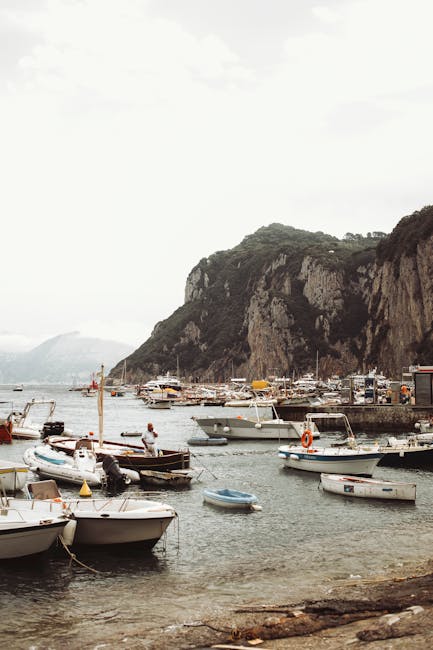
Eco‑responsible activities, useful addresses and local tips
Beyond hotels, the whole Capri experience can be made more sustainable. Here are activities and useful addresses, with hours and prices, to help you plan a responsible stay:
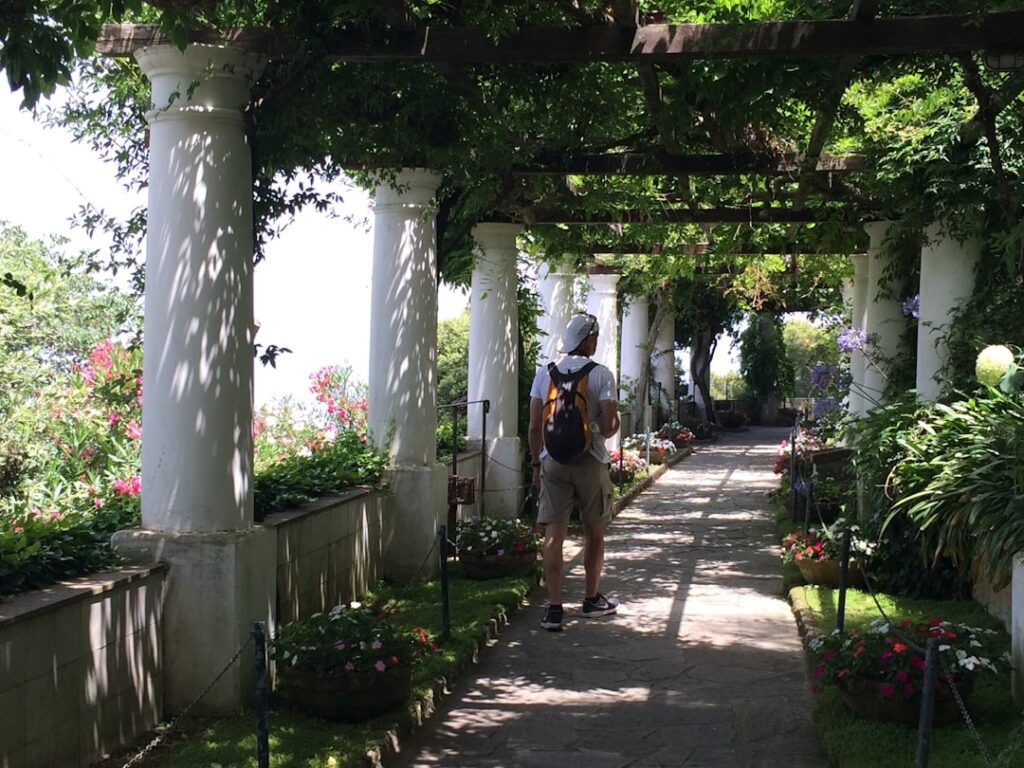
- Villa San Michele — Via Capodimonte, 2, 80071 Anacapri NA, Italy. Hours: generally 09:00–19:00 (seasonal hours). Entry price: around €4–€10 depending on season and exhibitions. This museum‑house founded by Axel Munthe offers gardens and panoramic views. The site prioritizes preservation of its collections and runs guided thematic tours focused on history and botany.
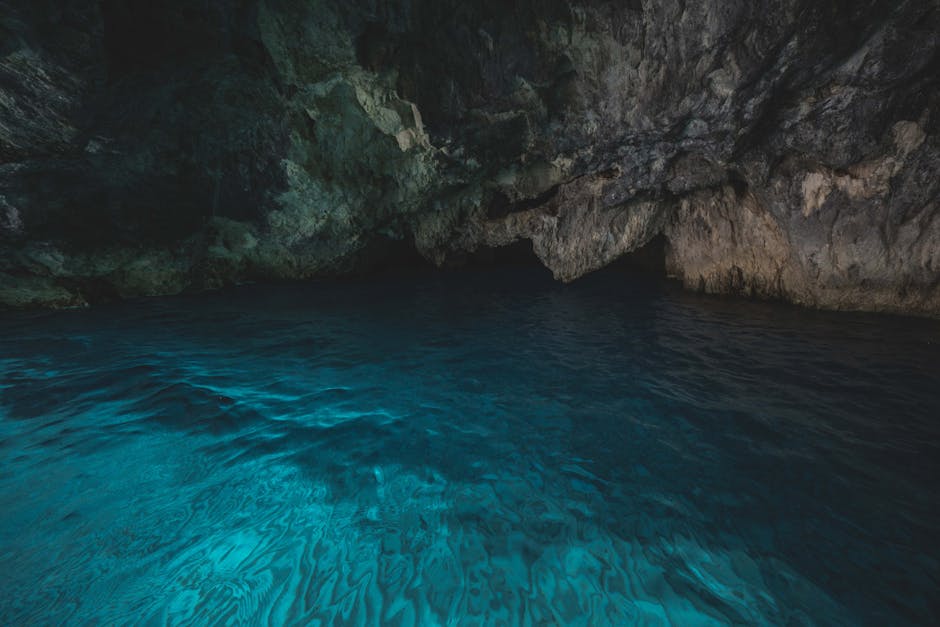
- Grotta Azzurra (Blue Grotto) — access via Marina Grande / by boat from Capri; excursion service. Hours: depend on sea conditions, generally 09:00–17:00 in high season. Boat price: group excursions approximately €14–€20 for entry and local transport (note: private rowboats increase the cost). Tip: favor operators who limit the number of boats in the grotto at once to reduce ecological disturbance.
- Piazza Umberto I (La Piazzetta) — Piazza Umberto I, 80073 Capri NA, Italy. The social heart of the island, perfect for people‑watching. No entry fee; shops and cafés have variable hours, often 09:00–23:00. Tip: spend your money at venues that highlight local products and seasonal menus to support the island economy.
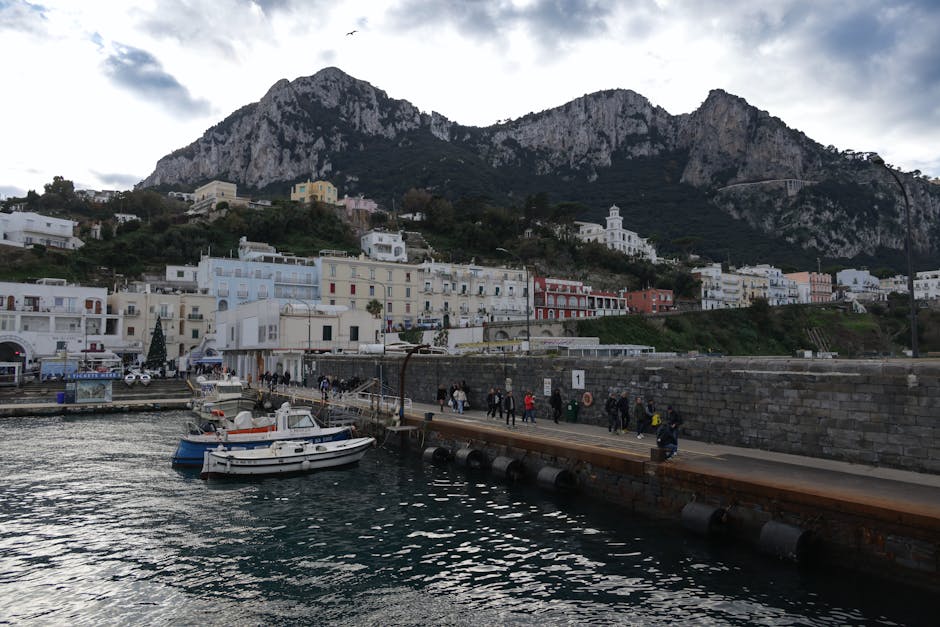
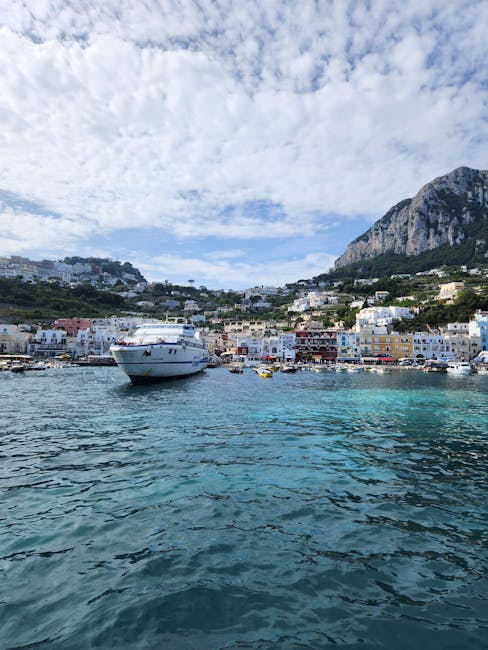
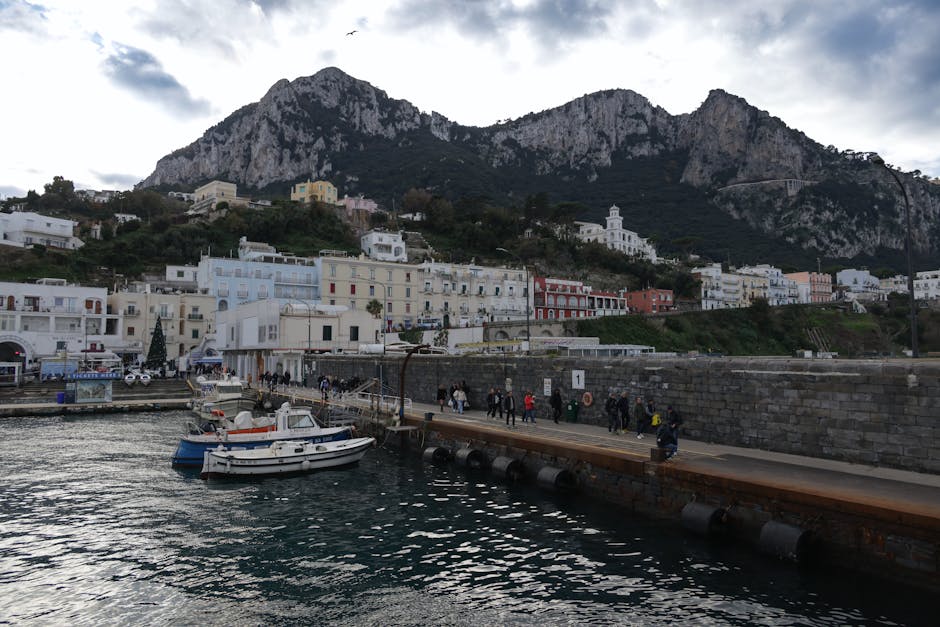
- Marina Grande (Capri) — Marina Grande, 80073 Capri NA, Italy. Arrival point for the ferries. Ferry services Naples–Capri: prices from around €20 one‑way depending on operator and season. Hours: typical frequencies 07:00–20:00; check schedules in advance. Tips: favor ferries to reduce individual emissions and avoid unnecessary land transfers.
Additional local practical tips: bring reusable water bottles and refill them at municipal water points where possible; avoid buying single‑use plastic bottles. Walk as much as possible — the island is small and pleasantly steep; wear suitable footwear. Respect signage in protected areas and do not buy products made from protected species (rare shells, coral). Finally, plan visits outside peak tourist hours (early morning or late afternoon) to avoid crowds and capture better light for photography.
Conclusion — Chic and responsible travel in Capri: a feasible balance
Capri shows that luxury and sustainability are not incompatible: they can even elevate each other. The eco‑chic accommodations mentioned — and other similar properties — prove you can combine top‑tier service, careful design and responsible practices. The key is coherence: sustainable policy visible in the gardens, the menus, energy and waste management, and in how the establishment engages with the local community. Today’s traveler expects that coherence and rewards sincere initiatives with loyalty and recommendations.
Capri remains an exceptional place, with panoramas, landmarks and unforgettable experiences. By choosing hotels that invest in sustainability, favoring small, respectful excursions, eating local and following conservation rules, you help preserve the island you’ve come to admire. Remember to check cancellation policies and the hotels’ “green” options when booking, since many now offer clear ways to reduce your stay’s impact (limited housekeeping, towel reuse, zero‑waste menus).
Finally, adopt the attitude of a respectful curious traveler: learn a few words of Italian to connect with local producers, stick to marked routes and favor small‑scale experiences — a farmer’s lunch, a guided nature walk with a local naturalist, or a low‑consumption sailboat crossing. Capri can remain sublime and livable if everyone — visitors and accommodations alike — shows genuine commitment. Sustainable luxury isn’t a passing trend: it’s a new way to celebrate the extraordinary without exhausting it.